Why are we still using sodium dehydroacetate, a preservative banned abroad?
No one thought, "Sodium dehydroacetate"This awkward word, fire.
Netizens on social platforms shouted "It turns out that I have been poisoned for so many years”“Those containing sodium dehydroacetate are all poisonous bread.",hate myself for not finding this dangerous person early.
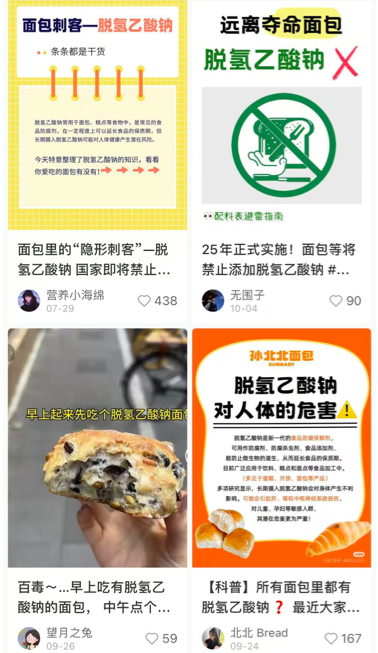
Related content on social platform: Little Red Book
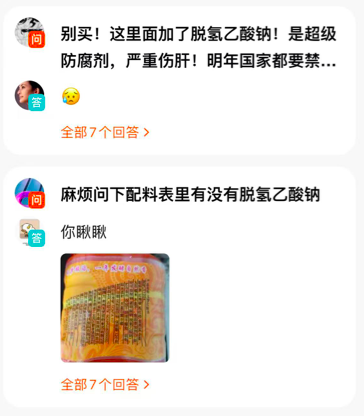
Related questions on online shopping platform Taobao
E-commerce companies with sensitive tentacles quickly added big characters to their own product posters.Sodium dehydroacetate free”。
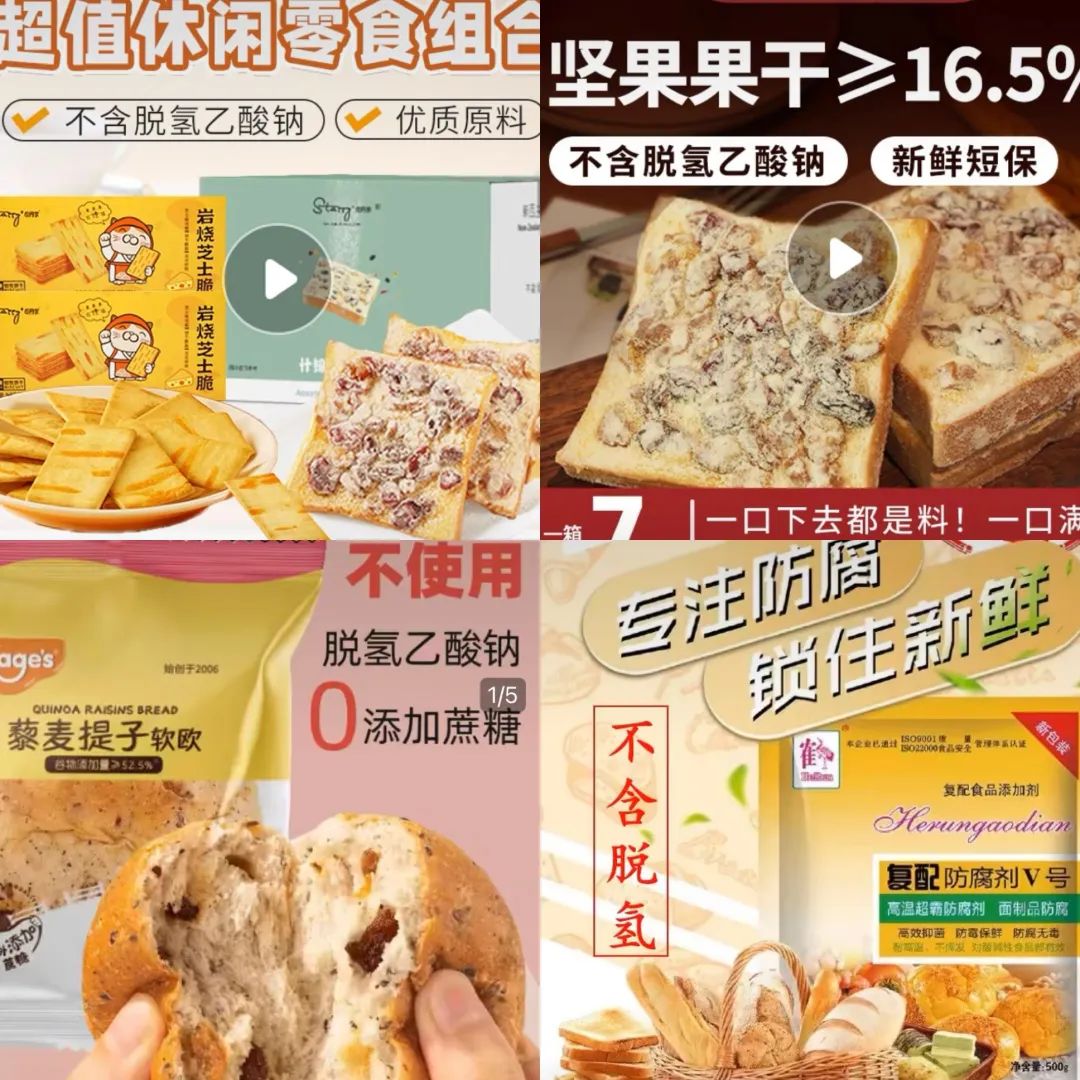
Tuqi Taobao
Others are more angry:Why are we still using additives that are banned abroad? Is China’s food safety saved??
Doubt, anxiety and even anger are normal reactions. What the hell is sodium dehydroacetate? Why are there different standards for food additives? This push will make the relevant information clear at once.
Easy to use, so it is often used.
Sodium dehydroacetate doesn’t suddenly come out with a sense of existence, it exists around us for a long time.It may be used in bread, snacks, pickles, cooked meat products and even cosmetics.
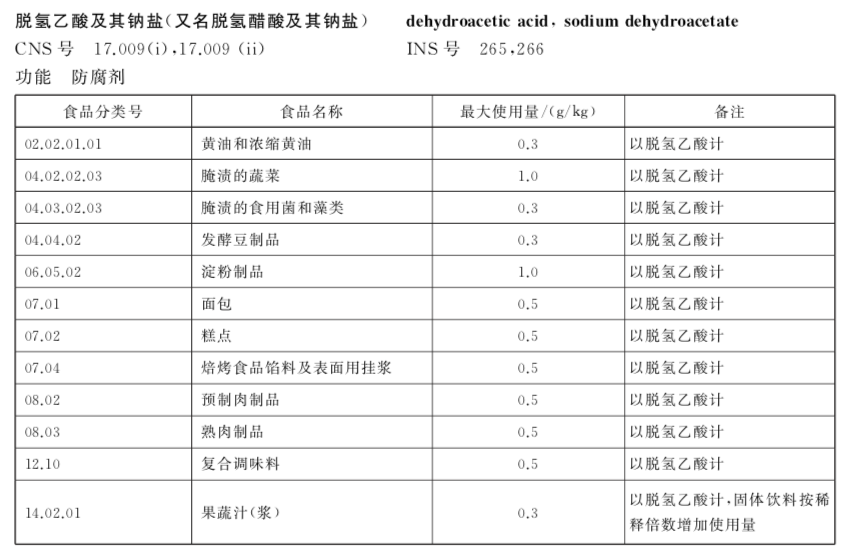
In the current national standard, the range and dosage of sodium dehydroacetate can be used. Click to see the larger picture, GB 2760—2014.
As a preservative, sodium dehydroacetate ensures that food can still be eaten even if it comes from afar. If there were no preservatives, we would have to go to the vegetable market every day, and it would be difficult to eat foreign specialties that have not deteriorated.
Sodium dehydroacetate is really common because it is really easy to use.!
One against ten.
Compared with many common food preservatives, sodium dehydroacetate has the following characteristicsBroad-spectrum antibacterial ability, with the ability of "one enemy ten".
Common bacteria? Can handle it! Mold? Can handle it! Yeast? Can also deal with!
Just adding sodium dehydroacetate as a preservative can effectively suppress a variety of microorganisms that spoil food, which is really convenient and convenient.
Skillfully deflected
The concentration of sodium dehydroacetate is very low. In other words, to achieve the same antiseptic effect, more common preservatives will be used, butJust use a little sodium dehydroacetate.It is also very convenient.
Fearless of acid and alkali
Sodium benzoate and potassium sorbate are also famous preservatives, but they can only play a role in acidic conditions, such as soda, jam, pickles and so on.
butThe effect of sodium dehydroacetate is little influenced by the acid-base environment, so it can be used in more scenarios.Naturally, it is more common.
There is no sense of existence
As a food additive, sodium dehydroacetatecolourless and tasteless, does not affect the taste, appearance and taste of food, only silently sterilizes, leaving no merit and fame.
In contrast, food preservatives such as sodium benzoate, potassium sorbate and calcium propionate all have more or less special tastes.
No one is perfect, and there is no end to the agent.
The advantages of sodium dehydroacetate mentioned above are all true, but the "toxicity" passed down by netizens is not a fabrication..
With the deepening of the research on sodium dehydroacetate, more and more evidence shows that,Long-term and large intake of sodium dehydroacetate may cause poisoning., manifested as weakened liver and kidney function, convulsion, trembling, ataxia, weight loss, chronic pulmonary edema, etc.
But this conclusion does not mean that the sodium dehydroacetate we usually eat is enough to cause such a big impact..
Let’s start with acute poisoning. Suppose you are an adult weighing 50 kg and eat 1 kg of bread every day, and the highest dose of sodium dehydroacetate allowed by the state (0.5 g per kg) is used in this bread, which is only 0.25 g of sodium dehydroacetate-you know,Acute poisoning can only occur if you ingest more than 25 grams of sodium dehydroacetate at one time, which is 100 kilograms of bread with sodium dehydroacetate added in the top compartment..
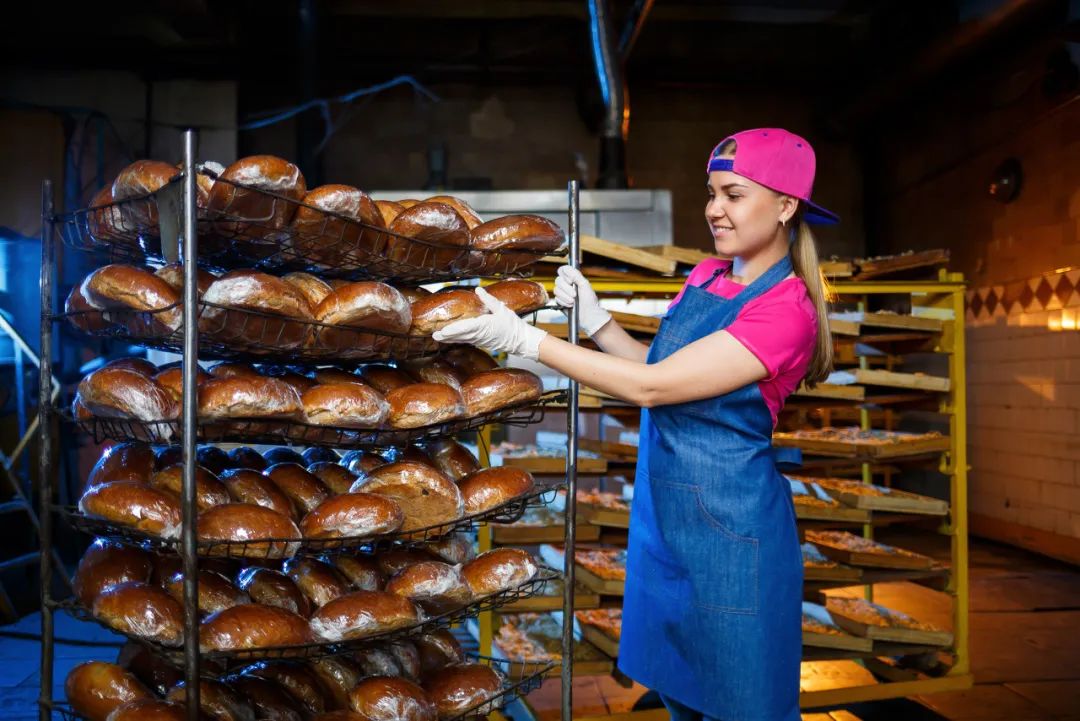
Please, in one breath, finish eating the idea of Tuchong.
Besides, chronic poisoning.
If a person keeps eating food containing sodium dehydroacetate every day for several years …
For such a diet, he may be reaching sodium dehydroacetateBefore the dose of chronic poisoning, it will be becauseNutritional imbalance and eating processed food every day have more obvious adverse effects on body and mind.!
One of the reasons for emphasizing a balanced diet is that a balanced diet can not only provide various important nutrients, but also reduce the intake that is not conducive to the body.
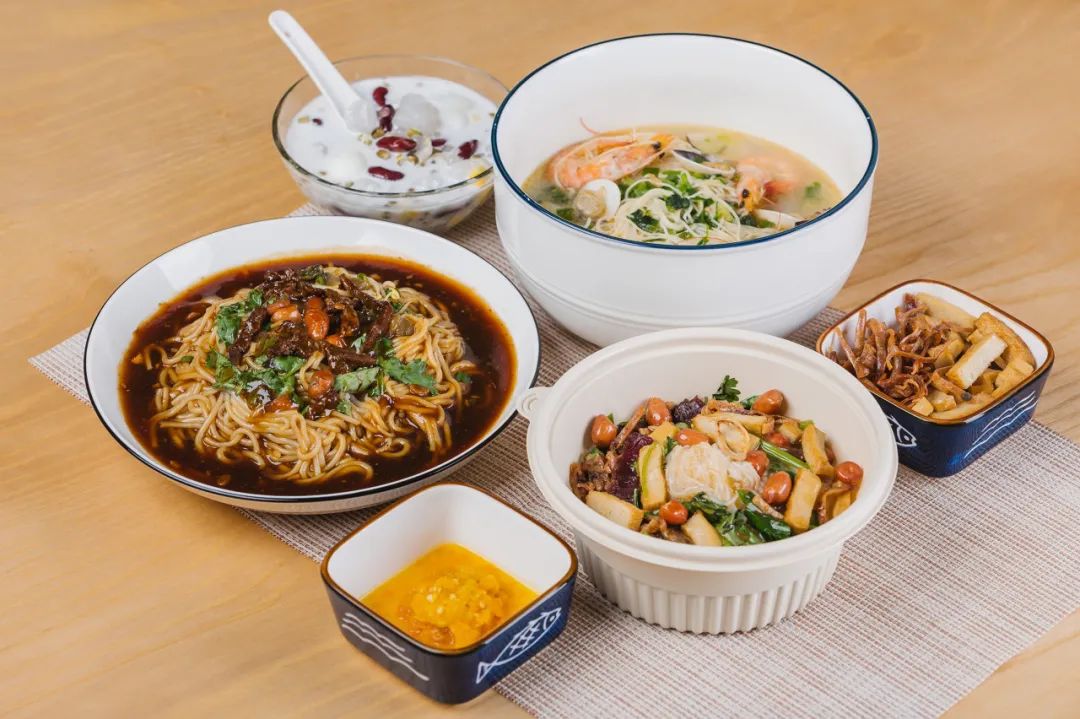
Don’t you like these? Tuchong creativity
But if you still reject sodium dehydroacetate, I totally understand.
As long as drugs can cure diseases and save lives, some side effects are acceptable; Food only provides food and nutrition, and we hope its ingredients are as safe as possible: raw materials that are harmful by hammer must be replaced; There are better substitutes, and we also hope to use better raw materials.
As far as things are concerned, the food containing sodium dehydroacetate is really not perfect.
However, they are definitely not "drugs".
Additive "double standard", can we feel at ease?
Many people fully understand the truth of "dose VS toxicity". What really makes them angry is the "double standard" of food additives including sodium dehydroacetate:Why is it banned abroad, but it can be seen everywhere in China? Is our food really not as safe as imported food?
Different countries and different standards, who is playing double standard?
Indeed, the use standards of many additives are different at home and abroad, but"Foreign" is a very broad concept, and "different" does not mean better or worse..
For example, sodium dehydroacetate this time.
It can be used in China, cut/peeled pumpkins in the United States, dairy products in Japan, cosmetics in the European Union, and banned from food in Korea.
Another example is gold foil.
The Codex Committee of Food Additives of the World Health Organization officially listed gold in the category of food additives, allowing it to be used as a pigment. So we see some foreigners drinking wine with gold foil and eating meals with gold foil, but we seldom see them, because China explicitly prohibits adding gold to food.
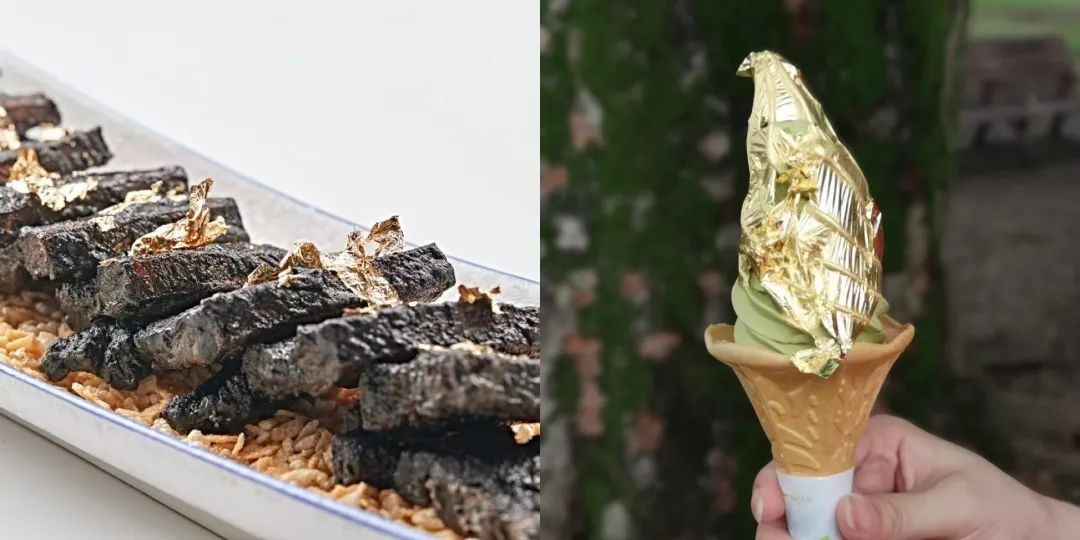
In some places, gold foil can be used as a food additive, but this use is prohibited in China.
Another representative example: borax.
Borax is used in traditional foods in Southeast Asia, which is considered as a traditional craft. Borax is also used in European caviar, but it is not authentic without it. However, these Southeast Asian zongzi and European caviar cannot be imported into China or the United States, because borax is not allowed in food in these two places.
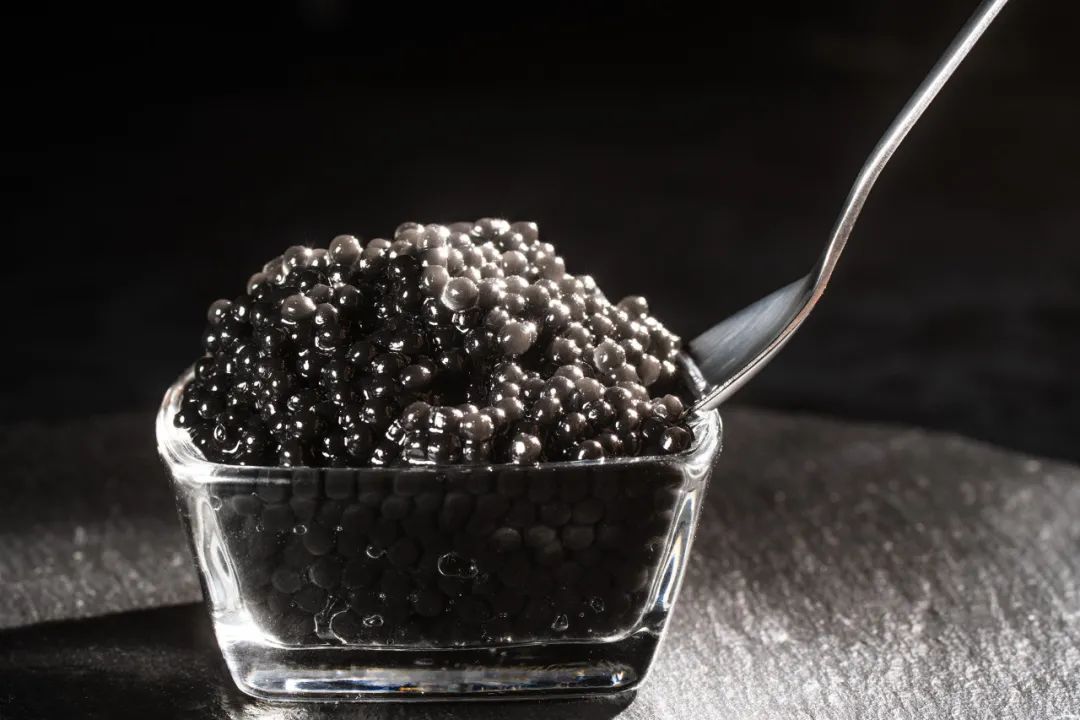
The European caviar we bought in China is not an "authentic" European caviar idea.
From the above three examples, we can see thatVarious countries have formulated additive standards and referred to many standards..
First of all, of coursefood safety.
However, food safety is not a black-and-white problem, and there are not only two endings: "one bite will kill you" and "eating for life will be fine". How countries and regions draw the line of safe dose, whether this line is closer or farther from the recognized upper limit, and more factors should be considered.
These factors include, but are not limited to:
Dietary difference. The eating habits of different regions, nationalities and beliefs vary greatly and must be considered. Borax mentioned above can be banned in China and the United States, but it is banned in Southeast Asia and the European Union. I’m afraid the resistance is not small, so the standard can only be relaxed.
Differences in economic development level/technology, local regulatory capacity/resources, and international standard trade.It will also affect where the red line of food additives is and how far it is from the recognized upper limit. In areas where food and clothing and nutrition have not yet reached, it is difficult to strictly follow the food safety standards of developed countries. The trade surplus and deficit will also have an impact. Exporters of certain foods often want to relax the standards, which is more beneficial to domestic industries. And if it is an importer of this product, it is often more picky, and only wants to spend money to buy the best quality batch, it will set stricter standards.
Talking about the standard of food additives in underdeveloped areas is really ignorant and arrogant.
Anyway,The standards for certain food additives all over the world are within the safe range that can be achieved at present and locally.Just for one reason or another, some local standards are more tolerant and some local standards are stricter.
Different stages and different standards, people used to take poison?
Different countries have different standards, which is the "horizontal double standard" of food additives;There are different standards for food additives in different periods, which is a "vertical double standard" and is also very common..
Borax mentioned above was also used as a legal preservative in the United States in the early years.
Later, with the deepening of research and the improvement of public health awareness, people found that borax was toxic to some extent, and it was not irreplaceable in technology and habit, so borax was gradually banned.
Sodium dehydroacetate, which is at the forefront, is similar.
Because sodium dehydroacetate really has many advantages, it can be added to 12 kinds of foods in the current National Food Safety Standard for the Use of Food Additives (GB 2760-2014).
Now we have gradually discovered the potential risks of sodium dehydroacetate, and at the same time, we have the conditions to ban and replace it. Therefore, after re-evaluation, we will soon implement new standards, which will narrow the scope of application of sodium dehydroacetate, and it will not be used in bread and cakes in the future, and the amount of pickled vegetables will also be reduced (of course, besides sodium dehydroacetate, there may be other preservatives in it).
This can’t help but make people worry: Have we been taking poison before some additives are banned or restricted? How many additives are toxic but not yet known? Compared with future generations, are we "losing money"?
However, no choice can be divorced from the objective constraints of the times and the environment.
Decades ago, our ancestors didn’t even have enough to eat. Now we can not only eat enough, but also eat more safely and healthily.
With the continuous efforts of researchers, food additives with better safety are constantly replacing food additives with less safety.
If you are really worried about food additives, a practical suggestion is to eat less deep-processed food and more raw natural ingredients.Drink less sweet milk tea and have more fresh eggs and vegetables.The main food at the entrance is fresh and nutritious, which is the best arrangement for food safety..
Author: oolong tea
Editor: Li Xiaokui