How to deepen the reform of educational evaluation in the new era? See what the education experts say.
How to evaluate schools, teachers and students scientifically? What are the important abilities that affect students’ development? On May 15th, at the first (Chongqing) International Conference on Educational Evaluation, educational experts from home and abroad exchanged views on the reform and innovation of educational evaluation.
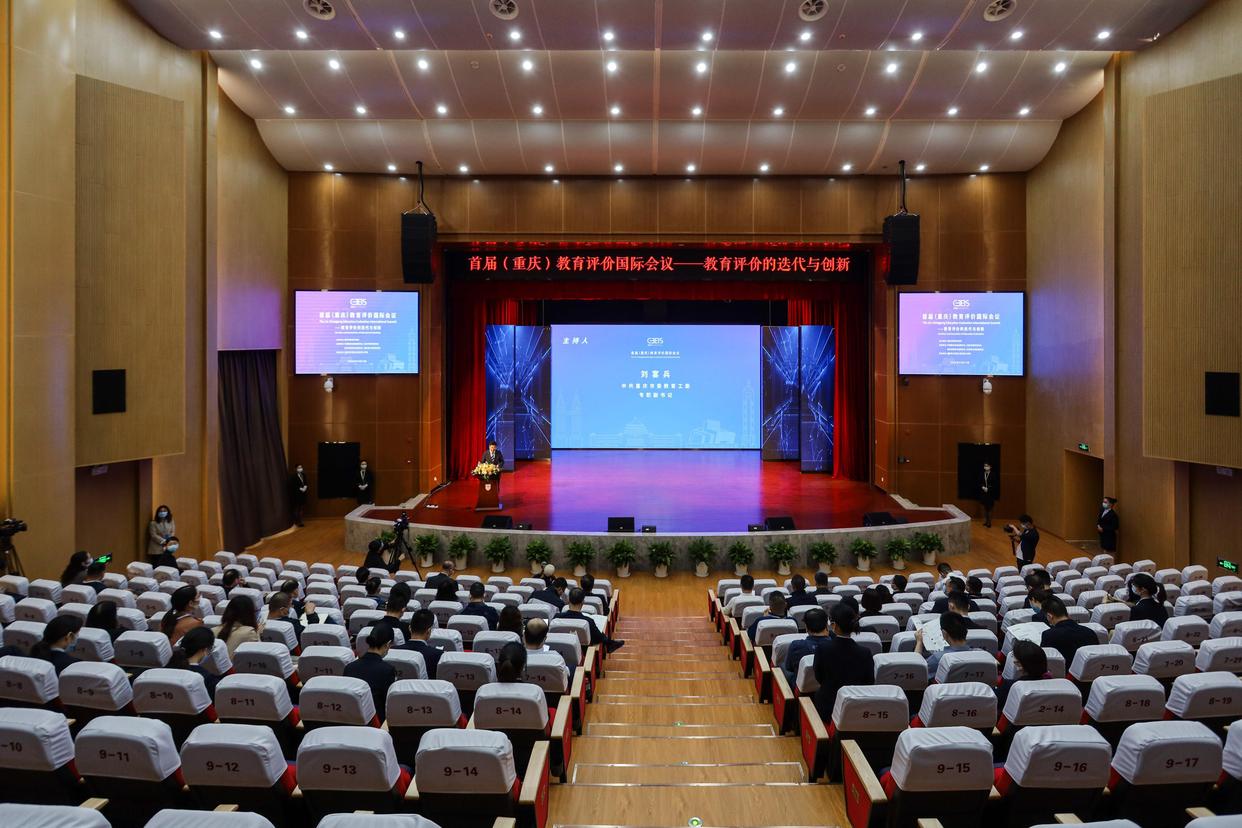
▲ Meeting site. (Photo courtesy of the organizer)
Han Min: The future education evaluation is comprehensive and multi-participation.
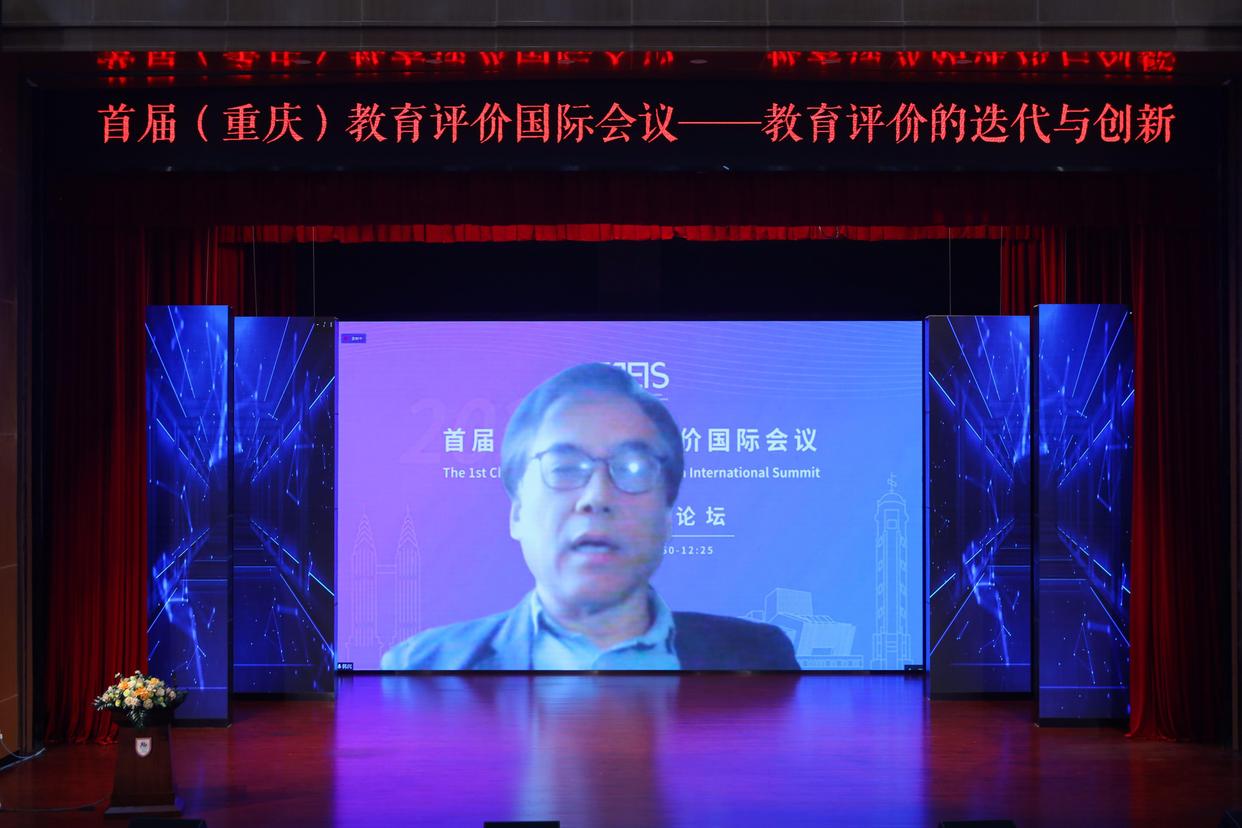
▲ Han Min, Executive Vice President and Secretary General of China Education Development Strategy Society. (Photo courtesy of the organizer)
Han Min, executive vice president and secretary general of China Education Development Strategy Society, said that the "Overall Plan for Deepening the Reform of Education Evaluation in the New Era" issued by the Central Committee of the Communist Party of China and the State Council emphasized: "Build an evaluation system with multiple participation of the government, schools and society, establish and improve a unified and responsible education evaluation and monitoring mechanism for education supervision departments, and play the role of professional institutions and social organizations." It can be seen that the future education evaluation should form a comprehensive and multi-participation evaluation system that combines government supervision evaluation, school self-evaluation and social organization evaluation, and it is necessary to speed up the cultivation, development and standardization of social organization participation evaluation.
Therefore, in the process of perfecting result evaluation, strengthening process evaluation, exploring value-added evaluation and perfecting comprehensive evaluation, it is necessary to give full play to the advantages of various evaluation methods and make up for their limitations and shortcomings, thus forming a comprehensive education evaluation system with coordinated and complementary evaluation methods.
Huang Zheng: abandon the practice of "labeling students with scores"
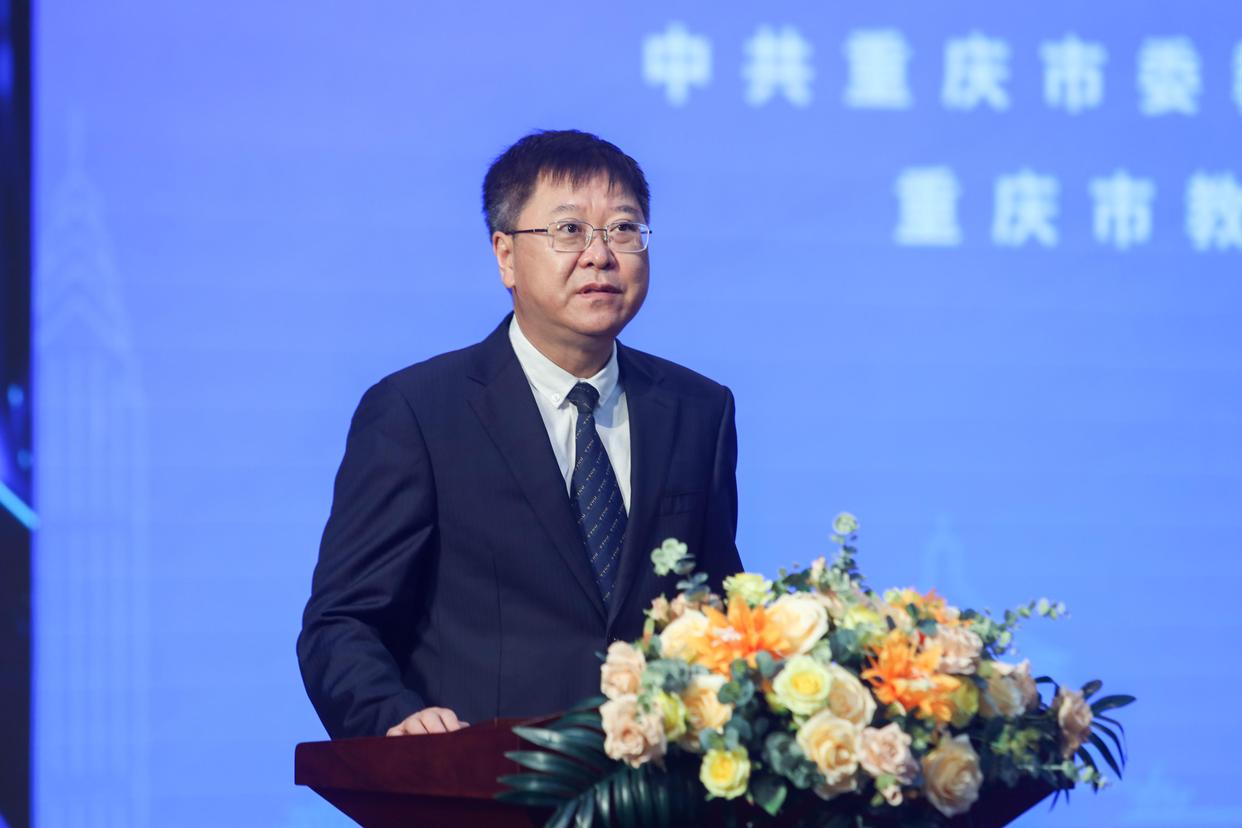
▲ Huang Zheng, secretary of the Education Working Committee of the Municipal Party Committee and director of the Municipal Education Commission. (Photo courtesy of the organizer)
"The reform of educational evaluation is a complex systematic project, which requires the joint participation and promotion of schools, parents and society." Huang Zheng, secretary of the Education Working Committee of the Municipal Party Committee and director of the Municipal Education Commission, put forward suggestions from three aspects: how to deepen school evaluation, improve teacher evaluation and optimize student evaluation.
Huang Zheng believes that the school evaluation should run through all academic sections, disciplines and educational links, and form an all-round educational concept of moral, intellectual, physical and artistic development. Establish a green education evaluation system, and take students’ moral development, academic development, innovative spirit, physical and mental health, hobbies and academic burden as the main contents to evaluate the quality of school education. Strengthen the positive guidance of educational evaluation.
Teachers’ morality and style should be regarded as an important part of teachers’ evaluation, and the negative list system of teachers’ morality assessment and the "one-vote veto system" of teachers’ morality anomie should be implemented. Teachers’ evaluation is carried out by classification, which highlights the educational and teaching achievements of primary and secondary school teachers, and the "double-qualified" teachers fully reflect their skill level and professional teaching ability; A survey of teachers in colleges and universities paying more attention to their abilities and contributions. It is necessary to speed up the establishment of an evaluation index system that adapts to different subjects and different classes and conforms to the characteristics of teachers’ posts. Give policy preference to rural teachers in terms of salary and professional title evaluation.
Student evaluation should strengthen process evaluation, explore and carry out longitudinal evaluation of the whole process of students’ learning situation in each period, and cultivate people with light in their eyes, love in their hearts, road under their feet and responsibility on their shoulders. We will carry out a pilot reform to evaluate the efforts and progress of schools and teachers by the progress of students, so that every student can be "seen" and "affirmed". Schools and parents should abandon the unscientific practice of "labeling students with scores", adhere to "five educations", improve the multiple evaluation system of students’ comprehensive quality, make the evaluation pay more attention to "real individuals", help students realize self-discovery, free choice and independent growth, and strive to cultivate socialist builders and successors with all-round development in morality, intelligence, physique, beauty and labor.
Andreas Schleicher: Pay attention to the development of teenagers’ "social and emotional abilities"
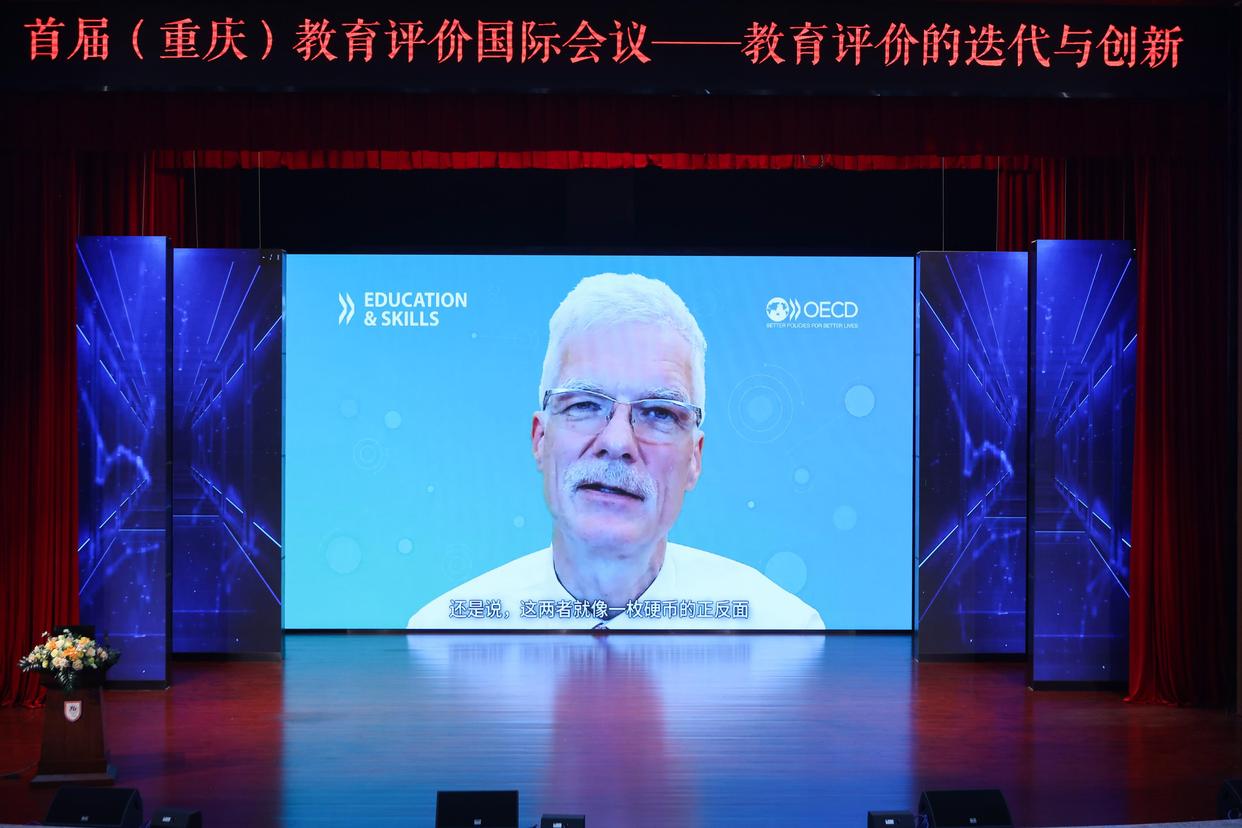
▲ Andreas Schleicher, Director of Education and Skills Department of the Organization for Economic Cooperation and Development (OECD). (Photo courtesy of the interviewee)
"Future education will not only focus on knowledge, skills, attitudes and values, but more importantly, the ability to mobilize one’s own cognitive and social emotional resources." Andreas Schleicher, director of the Education and Skills Department of the Organization for Economic Cooperation and Development (OECD), said that the latest global assessment shows that apart from cognitive ability, there is one ability that is particularly important for children’s future development, that is, "social and emotional ability".
What exactly is "social and emotional ability"? Andreas Schleicher said that OECD defined it as the ability involved in achieving goals, cooperating with others and managing emotions.
According to the OECD report, the development of social and emotional abilities of teenagers around the world has an impact on academic performance, life satisfaction, psychological well-being and test anxiety. For example, being resistant to stress and optimistic can make it easier for people to cope with difficulties in their work; The ability of cooperation, trust and tolerance is essential to the life of modern society; Creativity and curiosity, two irreplaceable key abilities of artificial intelligence, will also become more and more important.
However, it is worth noting that, unlike the academic level, the development of students’ social and emotional abilities has not steadily increased with age. All the 15-year-old students interviewed, regardless of their gender and social background, have lower average social and emotional development than the 10-year-old students.
What factors affect the development of students’ social and emotional abilities? The survey results show that participating in extracurricular activities of sports and art is helpful to enhance students’ creativity and curiosity.
In addition, the survey data also show that students who think they are highly creative also have other social and emotional skills at a higher level, such as stronger empathy, perseverance, more vigorous energy, more tolerance, higher level of cooperation ability, stronger sense of responsibility, more optimism, self-confidence, self-control and more social skills.
"Social and emotional abilities are not lifelong, they can be shaped by learning." Andreas Schleicher suggested that the improvement of social and emotional abilities should be regarded as the basic project for teenagers’ success and happiness in life, emphasizing that it should be regarded as the basic content and task of education, and families, schools and communities should jointly create a good environment conducive to the development of children’s social and emotional abilities.
Liu Yunsheng: Educational evaluation should not only make value judgments, but also promote and create value.
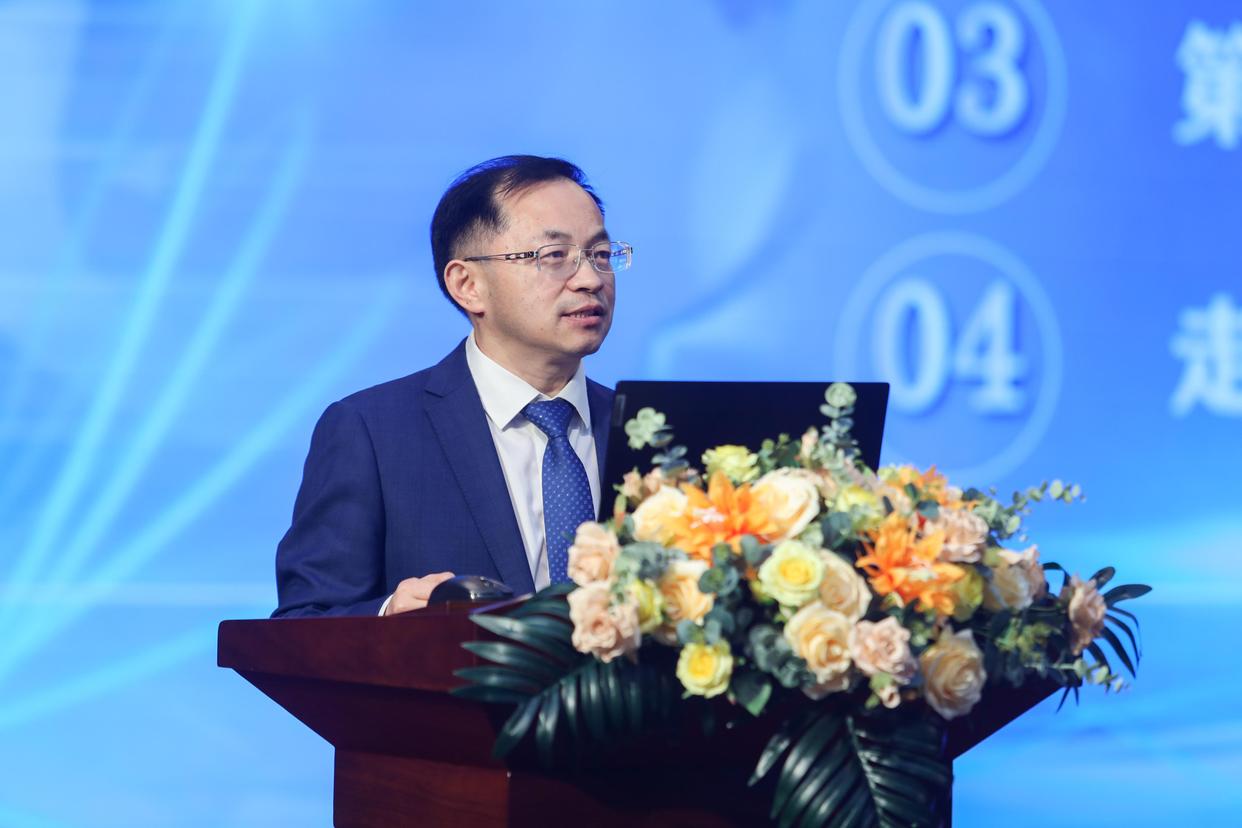
▲ Liu Yunsheng, Dean of Chongqing Education Evaluation Institute. (Photo courtesy of the organizer)
What kind of educational evaluation do we need? Liu Yunsheng, president of Chongqing Education Evaluation Institute, introduced the fifth-generation education evaluation being explored in Chongqing with the title "Exploration and Practice of the Fifth-generation Education Evaluation".
Liu Yunsheng believes that the previous four evaluations are the measurement of learning results, the description of education, the judgment of social value of education, and the negotiation and construction of the value of educational phenomena.
The fifth generation of educational evaluation should not only respond to the needs of social development and educational development, but also follow the underlying logic of educational evaluation evolution. Its behavioral characteristics are human intelligence, machine intelligence and man-machine cooperation intelligence.
"The fifth generation of educational evaluation should not only make value judgments on educational phenomena, but also promote and create value." Liu Yunsheng gave an example. For example, a teacher commented on students’ extracurricular reading activities. He said that "you are amazing" is a value judgment; "I consciously read the Water Margin and grasped the character characteristics of the characters" is the value contribution. "It would be better if I could evaluate the character characteristics!" Is the creation of value.
The fifth generation of education evaluation is based on educating people, characterized by intelligence and oriented by service, and has realized the transformation from educating people by evaluation to evaluating people by education, from single subject with single dimension to multi-subject with multi-dimensions, from result evaluation to process evaluation to three-dimensional evaluation, from human evaluation and machine evaluation to intelligent evaluation of human-computer cooperation.
Sun Weiping: To improve the evaluation system of higher vocational schools, we should start from three aspects.
How to improve the evaluation system of higher vocational schools? Sun Weiping, secretary of the Party Committee of Chongqing Vocational College of Electronic Engineering, believes that we should start from three aspects: improving the evaluation type, evaluation content and evaluation mode of vocational colleges.
"The first is to improve the evaluation types of vocational colleges." Sun Weiping said that the evaluation of vocational schools should adhere to the multi-integration of monitoring, evaluation and certification, including both internal evaluation and external evaluation. Establish and improve the teaching diagnosis and improvement system, evaluation system and certification system, establish and improve the evaluation of functional departments, secondary departments, teachers and students within the school, strengthen monitoring and evaluation, improve the evaluation of the ability to adapt to social needs and the quality of running schools, and improve the quality evaluation of third-party personnel training, professional (group) certification and curriculum certification.
In terms of evaluation content, Sun Weiping said that it is necessary to adapt to the evaluation of social demand ability, improve the conditions for running schools, the construction of "double-qualified" teachers, the examination enrollment system, the integration of production and education, and school-enterprise cooperation based on the characteristics of type education; Based on the promotion of construction, we should grasp the three key points of running a school, the development of teachers and students and the modern management of the school, and grasp the three dimensions of basic situation, development level and long-term mechanism.
At the same time, the evaluation content should also include the quality evaluation of running a school, the quality evaluation of personnel training, professional (group) certification, curriculum certification, functional department evaluation, secondary college evaluation, teacher evaluation, student evaluation and so on.
In addition, the evaluation model of vocational colleges should be improved, with clear and specific standards and clear and scientific connotations; It is necessary to examine both the construction measures and the completion results; It depends on both the vertical progress and the horizontal level; We should not only judge the value from the perspective of management, but also give feedback on improvement opinions from the perspective of promoting construction.
Reporting/feedback