Suspected of illegal fund-raising, it is recommended to quit as soon as possible! Shenzhen issues risk warning

On March 28th, Shenzhen Office of Special Class for Prevention and Disposal of Illegal Fund Raising (Hereinafter referred to as "Shenzhen Office for Preventing Illegal Fund Raising"Official website, the local financial administration of Shenzhen, issued the Risk Warning on DDO Digital Option business, pointing out that the related activities recently carried out in the name of Ding Yifeng International for residents in China were suspected of illegal financial activities such as illegal fund-raising. The office has organized relevant departments to carry out work, resolutely deal with illegal fund-raising and criminal activities, and seriously investigate the legal responsibilities of relevant personnel.

The risk warning contents are as follows:

Recently, our office received feedback from the masses that Ding Yifeng International Asset Management Group Co., Ltd. (hereinafter referred to as "Ding Yifeng International") publicized and issued a DDO digital option in China to attract people to subscribe for investment. According to the materials provided by the masses, Dingyifeng International has successively issued three Notices of Significant Benefits to Global Investors, saying that it is anchored by physical assets and issues online digital options DDO through overseas digital asset exchanges, so as to publicize and sign the Dingdao Digital Option Subscription Agreement with subscribers to issue DDO digital options. According to the corresponding DDO White Paper, the digital option DDO is the so-called native pass of Dingdao public chain (token)。
The above-mentioned DDO digital option business activities carried out in the name of Ding Yifeng International are essentially the issuance and trading of virtual currency. According to the Notice on Further Preventing and Handling the Risk of Speculation in Virtual Currency Trading jointly issued by the People’s Bank of China and other ten ministries and commissions in September 2021, it is clear that the business activities related to virtual currency are illegal financial activities, and the services provided by overseas virtual currency exchanges to residents in China are also illegal financial activities. Domestic staff of relevant overseas virtual currency exchanges, as well as legal persons, unincorporated organizations and natural persons who know or should know that they are engaged in virtual currency-related businesses and still provide them with services such as marketing promotion, payment and settlement, and technical support, shall be investigated for relevant responsibilities according to law. There are legal risks in participating in virtual currency investment and trading activities. If any legal person, unincorporated organization or natural person invests in virtual currency and related derivatives, which violates public order and good customs, the relevant civil legal acts are invalid, and the losses arising therefrom shall be borne by itself; Suspected of undermining financial order and endangering financial security, the relevant departments shall investigate and deal with it according to law. The above-mentioned activities carried out in the name of Ding Yifeng International for residents in China are suspected of illegal fund-raising and other illegal financial activities. My office has organized relevant departments to carry out work, resolutely deal with illegal fund-raising and criminal activities, and seriously investigate the legal responsibilities of relevant personnel.

I would like to remind the masses that virtual currency lacks a clear value base, is prone to malicious speculation and price manipulation, and has high transaction risks, and is easy to become a tool for illegal fund-raising, fraud, money laundering, drug trafficking, smuggling and other illegal and criminal activities. The public is invited to enhance their awareness of risk prevention and identification, and must not fall into the trap of illegal fund-raising and other crimes. People who have participated in relevant trading activities are advised to quit as soon as possible, collect and preserve relevant evidence, and report to local regulatory authorities and public security organs in a timely manner.

Shenzhen fangfanhe management Fei fa Ji zi work zhuanban office

March 28th, 2024

Sichuan people’s five consumption secrets: food and clothing are the most expensive, and the second is children’s education.


  What do Sichuanese spend the most on? What is the biggest factor that hinders the consumption power of Sichuanese? What do Sichuanese care most about when buying goods?

  The polling center of Sichuan Provincial Bureau of Statistics recently organized a special survey on "3.15" Consumer Rights Day in Sichuan, covering 21 cities and counties in the province, ranging in age from 18 to 70, and finally formed the "Special Survey Report on" 3.15 "Consumer Rights Day in Sichuan in 2016". This report also reveals five consumption secrets of Sichuanese. What are they?


  43% of the respondents’ spending power has improved.

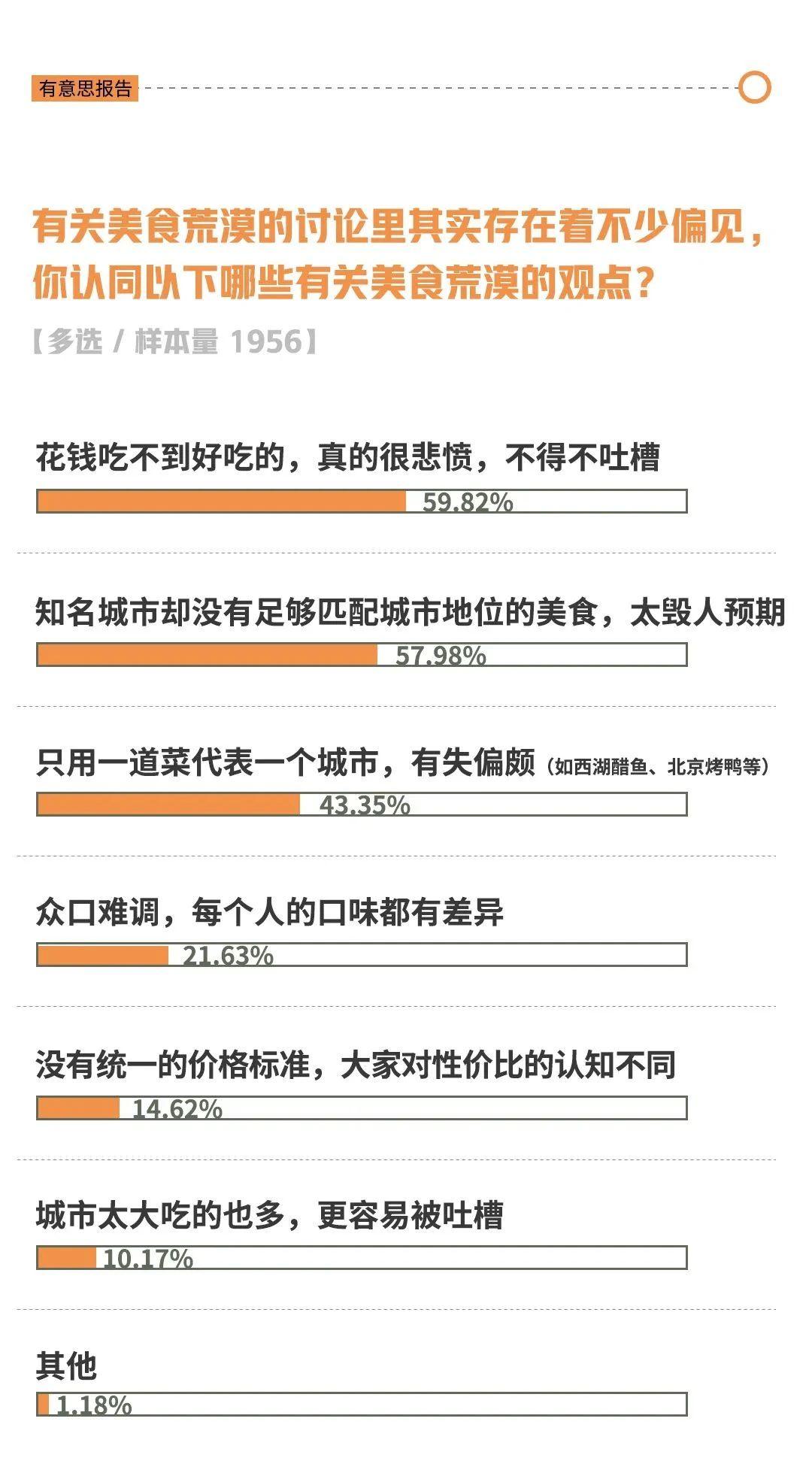
  Compared with the previous two years, 43.3% of the respondents’ spending power has improved. The main reason affecting the improvement of consumption power is "the instability of work and income increases, and it is difficult to increase income due to rising prices", accounting for 59.8%; Followed by "reserving funds for children’s education", accounting for 44.2%; The third is "reserving funds for medical care", accounting for 25.6%.


Respondents believe that the main reason affecting the improvement of consumption power at present.


  Buying goods is mainly "shopping malls or supermarkets"

  When investigating the main channels for respondents to buy goods at present, they chose "shopping malls or supermarkets" the most, accounting for 84.6%; The second is "online shopping", accounting for 44.2%; The third is "convenience store or canteen", accounting for 29.7%. "Online shopping" has become an important shopping channel for respondents. More than 50% of online shopping respondents accounted for more than 20% of the annual consumption expenditure in 2015.


  In consumer preference, "brand" missed the top three.

  In terms of consumption preference, the three most important factors for respondents when purchasing goods are "quality", "price" and "service and after-sales guarantee", accounting for 81.3%, 51.8% and 33.4% respectively. In addition, the proportion of "brand", "appearance" and "selling place" decreases in turn.


  The biggest consumer expenditure is "food and clothing"

  In terms of consumption structure, respondents’ current three major consumption expenditures are "buying food and clothing", "educating their children" and "buying a house or building a house", accounting for 44.3%, 39.2% and 23.9% respectively. In addition, "buying a car" and "traveling and entertainment" are 15.5% and 12.3% respectively, and they pay high attention to the brand when choosing. With the improvement of residents’ living standards and the convenience of outbound tourism, outbound tourism has become a new fashion of tourism consumption, and the consumption structure of residents has gradually changed from survival to development and enjoyment.


Respondents’ main consumption expenditure in the near future or this year


  11.0% of the respondents were dissatisfied with "local goods"

  When investigating consumer willingness, 11.0% of the respondents think that the goods or services provided by the local market (excluding online shopping) cannot meet the existing consumer demand, mainly because "the goods or services are not diversified enough to meet the individual needs". Among the respondents who think that the local market is "not satisfied" and "not satisfied" with consumer demand, the proportion of choosing "online shopping" is 52.0% and 46.3% respectively, which are higher than the overall proportion of respondents (44.2%).


The reasons why the respondents think the local market can’t meet their consumption demand.


  [Conclusion]

  The unstable increase of work and income is an important factor affecting the improvement of consumption power of urban and rural residents; Residents’ consumption concept has changed, "online shopping" has become an important consumption channel, and "tourism and entertainment" and "buying cars" have become new consumption fashions; 11.0% of the respondents can’t meet the consumer demand because of the low quality of products or services. (Reporter Hou Qingyi)


Science popularization | Rectifying the name of "I": Not all introversion equals "social fear"

"Shanghai Xiaokang" WeChat WeChat official account map

Medical consultant

Xinhua Hospital Affiliated to Shanghai Jiaotong University School of Medicine

Qiu Meihui, Department of Clinical Psychology

Image source: photo network

MBTI test defines type I personality as introversion, which refers to people who are more inclined to think and be alone, and usually get energy and satisfaction from independent thinking and introspection.

So,Introversion = social fear?

Patients with hyperactivity disorder, emotional disorder, personality disorder, and even healthy ordinary people may have different degrees of social difficulties.

Some people label themselves as "social fear", or because of situations such as avoiding social embarrassment, they often don’t feel burdened.

social phobia

But there are still some people who do suffer from the medically defined "social phobia" (also known as "social anxiety disorder").

Social anxiety disorder will have a great impact on individuals, disrupt normal life, interfere with social relations and quality of life, and damage work or study performance.

Specifically, it can be manifested as: I feel uncomfortable talking or keeping talking with people outside my immediate family, I encounter difficulties in making friends or keeping friendship, I continue to worry for a few days or even weeks before the incident, I am extremely afraid that others will make negative comments on me, I avoid going to places where social interaction is needed, I feel very inferior in front of others, I feel embarrassed to eat and speak in front of others, and I have experienced similar panic attacks in social environment, including nausea, trembling or sweating.

How to distinguish whether you belong to "I" introversion or social anxiety disorder?

Introversion is a personality characteristic.

Such people may feel nervous or anxious in the face of social or interpersonal communication, admit that introversion is a part of themselves, and can concentrate more on what they are interested in.

They often have three or five friends. Although they may feel constrained and shy when asked to participate in some social occasions, they can gradually adapt to or find a corner that makes them feel comfortable.

Just being introverted and having few or no friends who like to go to social places is not enough to be diagnosed as "social anxiety disorder".

Image source: photo network

Patients with social anxiety disorder may be introverted, and some extroverted patients also have social will, but they will view their socialization negatively.

Therefore, they usually take the initiative to avoid socializing or feel very painful in social situations.

People with social anxiety disorder may feel powerless to stop their fears even though they may know that they are irrational. For this group of people, it is recommended to go to professional medical institutions in time for comprehensive evaluation and diagnosis and treatment.

(The original title is "Psychologists Correcting the Name of" I Person ":Not All Introversion Is Equal to" Social Fear ")

Report major violations in the field of market supervision, with a reward ceiling of 1 million!

  Cctv newsAccording to the website of the Ministry of Finance, the General Administration of Market Supervision and the Ministry of Finance jointly formulated the Interim Measures for Reporting Rewards for Major Violations in the Field of Market Supervision, requiring local market supervision departments and financial departments to do a good job in coordination and cooperation, guarantee the funds for reporting rewards, formulate specific implementation measures and supporting systems in light of the actual situation, and actively promote the implementation of the reporting reward system. For the problems found in the implementation process, please give timely feedback to the General Administration of Market Supervision and the Ministry of Finance.

  Interim Measures for Rewarding Reports of Major Violations in the Field of Market Supervision

  Chapter I General Principles

  Article 1 In order to encourage the public to actively report major illegal acts in the field of market supervision and promote social co-governance, these Measures are formulated in accordance with relevant laws and regulations in the field of market supervision and relevant state regulations.

  Article 2 The market supervision and management departments at all levels shall accept the major illegal acts reported by the public (hereinafter referred to as informants, which shall be natural persons) within their scope of duties, and give corresponding rewards after verification and closing the case. These Measures shall apply.

  The term "major illegal act" as mentioned in these Measures refers to an illegal act suspected of committing a crime or being ordered to stop production or business, ordered to close down, revoked (revoked) the license, and fined a large amount. Local laws and regulations or local government rules have specific provisions on major illegal acts, which can be followed. A large amount of fines and confiscations shall be determined by the market supervision and management department at or above the provincial level in consultation with the financial department of the government at the corresponding level.

  Article 3 If the following major illegal acts are reported and verified, the case will be closed, and corresponding rewards will be given:

  (a) major violations of laws and regulations related to the quality and safety of food, drugs, special equipment and industrial products;

  (2) Major illegal acts with regional and systemic risks;

  (3) Major illegal acts that have great social impact in the field of market supervision and seriously endanger people’s personal and property safety;

  (four) the illegal act of transferring a suspected crime to a judicial organ for criminal responsibility.

  If it is determined by the market supervision and management department according to law that it is necessary to give rewards for reporting, it shall be implemented in accordance with the provisions of these measures.

  Article 4 Informants can report major illegal acts in the field of market supervision to the market supervision departments at all levels through the Internet, telephone, fax, mailing address, window and other channels announced by the market supervision departments to receive complaints and reports.

  Article 5 Informants may report with their real names or anonymously. Real-name reporting shall provide true identity certificate and effective contact information. If an anonymous whistleblower has a claim for reporting reward, he shall promise that it does not fall into the circumstances specified in Article 10, provide information that can identify his reporting identity as an identity code, and make an agreement with the market supervision and management department on the reporting password, reporting processing results and notification methods of reward rights.

  If an anonymous whistleblower receives the notification of receiving the reward and decides to receive the reward, he shall take the initiative to provide information such as identity code and reporting password, so as to facilitate the market supervision and management department to verify his identity.

  Provincial market supervision and management departments can formulate special procedures for the issuance of anonymous tip-offs in light of actual conditions.

  Sixth market supervision and management departments at all levels shall establish and improve the reward management system. Do a good job in the calculation, verification and distribution of reward funds for reporting.

  Seventh reward funds in accordance with the relevant provisions of the state by the people’s governments at all levels into the budget management, and accept the supervision of the financial and auditing departments.

  Chapter II Reward Conditions

  Article 8 A reward for reporting shall meet the following conditions at the same time:

  (1) Having a clear target to be reported, specific illegal facts or clues to illegal crimes, and providing key evidence;

  (two) the contents of the report have not been mastered by the market supervision and management department in advance;

  (three) the contents of the report were investigated and closed by the market supervision and management department and were given administrative punishment, or transferred to judicial organs for criminal responsibility according to law.

  Article 9 The implementation of reward for reporting shall follow the following principles:

  (a) the same case is reported by two or more informants with the same clue, and the first informant is rewarded;

  (two) if two or more informants jointly report the same case, the reward will be distributed according to the same case;

  (three) informants report the same matter, do not repeat the reward; If the same case is reported by two or more informants respectively, the total reward amount shall not exceed the highest standard in the corresponding reward level stipulated in Article 12;

  (four) if the illegal facts finally determined are completely inconsistent with the reported matters, no reward will be given; If the illegal facts finally identified are partially consistent with the reported matters, only the reward amount of the consistent part will be calculated; In addition to reporting matters, other illegal facts are identified, and other illegal facts are not calculated;

  (5) If the cross-regional report accepted by the market supervision and management department at a higher level is finally investigated and handled by two or more market supervision and management departments respectively, the market supervision and management department responsible for the investigation and handling shall reward the verified part of the report within its administrative area respectively.

  Tenth any of the following circumstances, no reward:

  (a) the report of the staff of the market supervision and management department or the personnel with legal supervision and reporting obligations;

  (two) the report of the infringed party and its entrusted agent or interested party;

  (three) the implementation of illegal reporting (except internal informants);

  (4) There is any evidence to prove that the reporter has received any form of remuneration or reward from other market entities for reporting;

  (five) other awards that do not meet the provisions of laws and regulations.

  Chapter III Award Criteria

  Eleventh reward is divided into three levels:

  (a) a reward. The rating standard is to provide detailed illegal facts and direct evidence of the reported party, and the contents of the report are completely consistent with the illegal facts, and the reported items are verified to be particularly serious illegal acts or suspected crimes;

  (2) Two-level reward for reporting. The rating standard is to provide the illegal facts and direct evidence of the reported party, and the contents of the report are completely consistent with the illegal facts;

  (3) Three-level reward for reporting. The rating standard is to provide the basic illegal facts and relevant evidence of the reported party, and the contents of the report are basically consistent with the illegal facts.

  Article 12 For cases with fines and confiscations, the market supervision and management department shall calculate the reward amount according to the following standards, and comprehensively consider the value of the goods involved, the degree of social influence and other factors to determine the final reward amount:

  (a) belongs to the level of reward, reward by 5% of the fines. If the calculation is less than 5,000 yuan, a reward of 5,000 yuan will be given;

  (two) belong to the two reward, reward according to 3% of the fines. If the calculation is less than 3,000 yuan, a reward of 3,000 yuan will be given;

  (three) belong to the three reward, reward according to 1% of the fines. According to this calculation, if 1000 yuan is not enough, 1000 yuan will be awarded.

  In cases with no fines, the reward amount from the first-level reporting reward to the third-level reporting reward shall be not less than 5,000 yuan, 3,000 yuan and 1000 yuan respectively.

  If the insider of the illegal subject reports, the reward standard stipulated in the preceding paragraph shall be appropriately raised with the consent of the financial department of the government at the same level.

  Article 13 The maximum amount of reward for reporting each case is 1 million yuan, and the amount of reward determined according to Article 12 of these Measures shall not exceed this upper limit. If the amount of a single reward reaches more than 500,000 yuan (including 500,000 yuan), it shall be determined by the market supervision and management department that issues the reward funds for reporting in consultation with the financial department of the government at the same level.

  Article 14 Where the market supervision and management department has imposed administrative punishment or has not imposed administrative punishment and transferred it to judicial organs for criminal responsibility, it shall be rewarded according to the provisions of Article 12 of these Measures according to different circumstances.

  Chapter IV Reward Procedures

  Article 15 The market supervision and management department responsible for the investigation and handling of the report and making the final decision shall inform the informant within 15 working days after the report is closed or transferred for criminal responsibility. The reward for reporting is applied by the informant to start the reward procedure.

  Article 16 The reporting reward implementation department shall identify the reporting reward level and reward standard, determine the reward amount, and inform the whistleblower of the reward decision.

  Seventeenth payment of incentive funds, in accordance with the relevant provisions of the centralized treasury payment system.

  Eighteenth informants should be informed of the award decision within 30 working days from the date, by my valid identity certificate to receive the award. If it is entrusted to others, the trustee must hold the power of attorney of the informant and the valid identity certificates of the informant and the trustee.

  Under special circumstances, the time limit for receiving reward for reporting may be appropriately extended, and the maximum time shall not exceed 10 working days. Informants who fail to receive bonuses within the time limit without justifiable reasons shall be deemed to have voluntarily given up.

  Nineteenth informants have objections to the amount of reward, you can inform the reward decision within 10 working days from the date of filing an application for review to the market supervision and management department that implemented the reward report.

  Chapter V Supervision and Administration

  Twentieth market supervision and management departments should strengthen the management of the declaration and distribution of incentive funds, establish and improve the responsibility system for reporting rewards, and strictly enforce financial discipline. Set up report files and do a good job in summary statistics.

  Twenty-first market supervision and management departments shall protect the lawful rights and interests of informants in accordance with the law, strictly keep secrets for informants, and shall not disclose relevant information of informants.

  Twenty-second market supervision and management department staff in the implementation of the reward process, any of the following circumstances, depending on the seriousness of administrative sanctions; Suspected of committing a crime, criminal responsibility shall be investigated according to law:

  (a) forging or abetting, colluding with others to forge reporting materials, and taking the initiative to report reward funds;

  (2) disclosing the information of the informant;

  (3) Informing the reported person to help him escape investigation;

  (four) other acts that should bear legal responsibility according to law.

  Article 23 If an informer forges materials or conceals facts and obtains a reward for reporting, or if it is verified by the market supervision and management department that it does not meet the reward conditions, the market supervision and management department has the right to recover the reward bonus. Informants deliberately fabricate facts to falsely accuse others, or resort to deceit to defraud reward funds, and bear corresponding responsibilities according to law; Anyone suspected of committing a crime shall be investigated for criminal responsibility according to law.

  Chapter VI Supplementary Provisions

  Twenty-fourth the State Council drug supervision and management departments and provincial drug supervision and management departments to implement reward, the application of this approach.

  Article 25 The market supervision and administration departments of all provinces, autonomous regions, municipalities directly under the Central Government, cities with separate plans and Xinjiang Production and Construction Corps may, jointly with the financial department of the government at the corresponding level, formulate detailed rules for the implementation of their respective administrative regions in accordance with these Measures and report them to the State Administration of Market Supervision and the Ministry of Finance for the record.

  Article 26 These Measures shall be interpreted by the State Administration of Market Supervision in conjunction with the Ministry of Finance.

  Twenty-seventh these Measures shall come into force as of December 1, 2021. The Notice of the General Administration of Quality Supervision, Inspection and Quarantine of the State Administration for Industry and Commerce of the Ministry of Finance on Printing and Distributing the Measures for Rewarding Meritorious Persons for Reporting Illegal and Criminal Activities of Making and Selling Fake and Inferior Products (Caihang [2001] No.175) and the Notice of the Ministry of Finance of the Food and Drug Administration on Printing and Distributing the Measures for Reporting Incentives for Food and Drug Violations (Food and Drug Administration [2017] No.67) shall be abolished at the same time.

Play the "trump card" of reservoir to maximize the benefits of flood control and disaster reduction

  From 18: 00 on August 8, the provincial water resources department adjusted the emergency response of flood and drought disaster prevention from level I to level II, which indicated that our province had made great progress in resisting torrential rains and floods.

  In the face of this torrential rain disaster, the Provincial Water Resources Department carefully dispatched 20 large and medium-sized reservoirs. How do these reservoirs exert the benefits of flood control and disaster reduction?

  "Reservoir dispatching is the trump card for flood control and fighting. In the face of serious floods, the Provincial Water Resources Department has continuously held consultations and comprehensive analysis to judge how to scientifically and finely dispatch water projects, play the’ trump card’ of reservoir flood control, timely stop floods and cut peaks, strive for multi-faceted initiative in time and space for downstream flood control, and maximize the benefits of flood control and disaster reduction. " On August 10th, Liu Zhengcai, Party Secretary of the Provincial Water Resources Department, said.

  Since the flood season, strong convective weather has occurred frequently in our province, and local heavy rains and heavy rains have occurred from time to time. A total of 83 large and medium-sized reservoirs in the province have exceeded the flood limit water level. Five rivers, Qihe River, Dashahe River, Weihe River, Anyang River and Gonglianqu, have exceeded the flood limit, and four rivers, including Yinghe River, Honghe River, Qinhe River and Huiji River, have exceeded the police limit water level, and flash floods have occurred in some mountainous areas.

  The Provincial Water Resources Department has organized more than 30 meetings in succession, and issued 63 orders to decisively dispatch Panshitou Reservoir, Baisha Reservoir, Baiguishan Reservoir and Yanshan Reservoir to reduce the discharge when the dikes in the lower reaches of Weihe River, Yinghe River and Shahe River are in danger. At the same time, pre-judging in advance, dispatching reservoirs for pre-discharging, finely dispatching 20 large and medium-sized reservoirs, such as Suya Lake and Chushandian, storing and discharging at the same time, and intercepting floods and cutting off peaks, all of which have effectively exerted the flood control benefits of reservoirs on the premise of ensuring the safety of the project.

  Due to heavy rainfall, the water level of Baisha Reservoir, a large-scale reservoir built in 1953, rose sharply. In order to ensure the safe operation of the reservoir and the safety of life and property of the upstream and downstream people, according to the flood control dispatching instruction of the Provincial Water Resources Department, Baisha Reservoir opened its floodgates at 0: 00 on July 21. This is the first time that the spillway has been opened for flood discharge since it was built 68 years ago.

  "Baisha Reservoir plays an important role in the flood control operation of Shaying River Basin. Below the reservoir, it belongs to the plain area, with fertile land, dense population and many enterprises on both sides of Yinghe River." Wang Hongwei, director of Baisha Reservoir Management Bureau, said that once the reservoir crashes, it will cause immeasurable losses to the lives and property of the people downstream. During this heavy rainfall, Baisha Reservoir impounded 74 million cubic meters, discharged 94 million cubic meters, put in flood peak of 3,370 cubic meters per second, discharged 200 cubic meters per second at maximum, with peak clipping rate of 94%, and estimated flood control benefit of 2.27 billion yuan.

  Panshitou Reservoir, the only large reservoir in Hebi City, played a great role in this flood control. Panshitou Reservoir is a key flood control project in Haihe River Basin, with a basin area of 1,915 square kilometers, which can effectively control the flood of Qihe River. Combined with the regulation and storage of downstream flood detention areas, the flood control standard of Weihe River is raised from once every 20 years to once every 50 years, ensuring the flood control safety of key areas, cities, farmland and important traffic trunk lines.

  During this round of heavy rainfall, all the rainwater in the upper reaches of Qihe River was collected in Panshitou Reservoir. Affected by the heavy rainfall on July 11th and 18th and the flood discharge from Sanjiaokou and Gongshang reservoirs in the upper reaches of Qihe River, the inflow of Panshitou Reservoir has been increasing since 14: 30 on July 19th, and the water level of the reservoir has risen rapidly, which soon exceeds the flood limit. At 5 o’clock on July 22, the maximum storage capacity was 2710 cubic meters per second, and the water level of the reservoir rose at a speed of nearly 1 meter per hour. At 17: 00 on July 24, it reached an elevation of 257.9 meters. In just three days, the water level of the reservoir rose by nearly 33 meters, which is rare in history. In order to alleviate the huge flood control pressure in the downstream, from July 22nd to August 9th, the Provincial Water Resources Department conducted nine scientific operations successively, from the maximum flood discharge of 400 cubic meters per second, gradually reducing the pressure to 300 cubic meters per second, 200 cubic meters per second and 100 cubic meters per second … The flood discharge stopped at 15: 40 on July 29th, with the maximum flood interception of 270 million cubic meters and the peak clipping rate close to 100%.

  "Most of the water coming from the upper reaches of Qihe River was’ eaten’ by Panshitou Reservoir, which controlled the flood discharge of Qihe River to the maximum extent. When Weihe River and Communist Canal exceeded the historical water level, it prevented the flood of the three rivers from overlapping, reduced the pressure of flood control in the lower reaches, and gained valuable time for flood control and disaster reduction in the lower reaches." Sun Yunfeng, director of the Provincial Water Resources Department, said.

  "If Panshitou Reservoir does not take discharge control measures, Qihe River flood will be superimposed with Weihe River flood after discharge, which will increase the flood discharge of Weihe River, and Xunxian County and hua county County will face great threats." Feng Linsong, director of the Flood and Drought Disaster Prevention Department of the Provincial Water Resources Department, analyzed, "Therefore, the closure of the peak of Panshitou Reservoir has played a vital role in flood control of the entire Weihe River system."

  From July 18 to July 24, there was continuous rainfall in the upper reaches of Qianping Reservoir, with the maximum inflow peak flow of about 800 cubic meters per second, and the flood detention and storage of the reservoir was about 74 million cubic meters, with a flood detention and detention rate of 98.73%. At 10: 00 on July 25th, Qianping Reservoir opened the floodgate for the first time, and the flood detention time was as long as 130 hours, which avoided overlapping with the downstream flood and reduced the downstream flood control pressure.

  It is also the proper meaning of scientific scheduling to vacate the storage capacity. At 7: 00 on July 17th, the Provincial Water Resources Department dispatched Zhangwu Reservoir and Xiaonanhai Reservoir in Anyang City to start pre-discharge. By 17: 00 on the 18th, Zhangwu Reservoir vacated 1.28 million cubic meters more flood storage capacity than before pre-discharge, and Xiaonanhai Reservoir vacated 1.51 million cubic meters more flood storage capacity than before pre-discharge.

  This is just the epitome of the scientific and precise operation of reservoirs by the Provincial Water Resources Department. At 7: 00 on July 20th, Zhaopingtai Reservoir had a maximum storage capacity of 8,300 cubic meters per second and a corresponding storage capacity of 532 cubic meters per second, with a peak clipping rate of 94%. At 17: 00 on July 21, Yanshan Reservoir put in 1120 cubic meters per second, corresponding to 15 cubic meters per second, and the peak clipping rate was 99%. At 8: 30 on July 20th, Gushitan Reservoir entered the reservoir with a maximum storage capacity of 314 cubic meters per second, corresponding to a storage capacity of 3.2 cubic meters per second, and the peak clipping rate was close to 100%. At 19: 00 on July 20th, the maximum storage capacity of Jiangang Reservoir was 1090 cubic meters per second, and the corresponding storage capacity was 64 cubic meters per second, with a peak clipping rate of 94%. At 18: 10 on July 20th, Changzhuang Reservoir received 905 cubic meters per second, corresponding to 430 cubic meters per second, and the peak clipping rate was 52% …

  "Reservoir dispatching is a complicated process. Only by grasping the laws, accurately forecasting the flood process and scientifically dispatching water projects can we maximize the benefits of flood control and disaster reduction." Liu Zhengcai said, "In the next step, we will continue to firmly establish the concept of" people first, life first ",comprehensively consider the hydrological, meteorological and reservoir engineering conditions, as well as the upstream and downstream, left and right banks, main tributaries and other factors, comprehensively analyze and judge the rain, water, flood and engineering conditions, refine the practical dispatching response plan, and strengthen the" forecast, pre-judgment, early warning, rehearsal and pre-plan "

National Immigration Bureau: Since the beginning of this year, more than 6,000 illegal immigrants have been seized.

  Cctv newsOn the morning of Monday, August 19th, 2024, the State Council Press Office held a series of press conferences on "Promoting High-quality Development". Liu Haitao, deputy director of the National Immigration Bureau, attended the briefing and answered questions from reporters.

  Liu Haitao, deputy director of the National Immigration Bureau, said that in recent years, with the changes in the international situation and the surrounding geographical situation, some new trends and new features have emerged in illegal and criminal activities that hinder the management of the country (border). As far as the field of immigration management is concerned, it is mainly manifested in two aspects:

  First, in the border areas, the illegal exit activities of China nationals have been effectively curbed, and the number of illegal exits seized has decreased by 30% compared with last year; However, due to various factors, the number of illegal workers who illegally enter the country through the border has increased. Second, at open ports, domestic and foreign smuggling gangs collude with each other. By recruiting people, forging invitation letters, and defrauding social security, the attempted smugglers are "packaged" into business people or qualified company employees, defrauding entry and exit documents, and organizing them to engage in cross-border illegal and criminal activities abroad still exists. Some criminal gangs organized mainland residents to travel to East Asia, Southeast Asia, Europe, Central and South America and other countries via Hong Kong and Macao, and the cases of diversion and smuggling were also prominent.

  In order to ensure the security and stability of the national border and the normal entry and exit order, the State Administration of Immigration has made overall plans to guide the national immigration management agencies, deepened the five-in-one work measures of "fighting, checking, managing, governing and linking", and strictly prevented all kinds of illegal and criminal activities that hinder the national (border) territory.

  We continue to carry out special crackdown operations, and have carried out the "hunting" operation for four consecutive years. "Liao" is an animal fighting with snakes, and it is the natural enemy of snakes. Relying on the "Liao Hunting" action, I supervised the serious and extra-large cases, concentrated on the deployment of cluster campaigns, and realized centralized judgment of the same type of cases, coordinated investigation of cross-regional cases, and cracking down on crimes in the whole chain, successfully cutting off a large number of smuggling channels, effectively destroying a large number of illegal interest chains, and greatly shocking the arrogance of criminals at home and abroad.

  We strengthened the accurate inspection of ports. Perform the statutory duties of frontier inspection according to law, timely judge the trends of cross-border illegal and criminal activities such as smuggling, dynamically adjust targeted inspection measures, and strictly guard against illegal entry and exit.

  We strengthened border patrol control. We will improve the three-dimensional border prevention and control system, give full play to the role of physical defense technology in civil air defense, effectively control the mountain passes, sidewalks and ferries that lead to the border, and further strengthen the border prevention and control defense line.

  We also carry out source management in key areas. Adhere to the integration and organic integration of crackdown and governance, promote the integration of anti-smuggling work into the comprehensive management at the grassroots level, carry out centralized rectification activities in key areas, rectify and ban a number of illegal intermediaries, and investigate and deal with a number of illegal enterprises, thus effectively curbing the problem of illegal smuggling in key areas.

  We have continuously deepened international law enforcement cooperation. Continue to strengthen law enforcement cooperation with relevant countries and regions, and establish and improve mechanisms and measures such as clue information notification, joint investigation of cases, and pursuit and arrest of suspects. We will continue to intensify overseas "snake-catching" operations and resolutely squeeze the space for overseas criminals to avoid crimes.

  Since the beginning of this year, the country has cracked more than 22,000 criminal cases that hinder the management of national (border) territory, arrested more than 39,000 criminal suspects, and seized more than 6,000 stowaways. Together with relevant countries, it successfully arrested 103 target fugitives who fled abroad, and the deterrent effect continued to increase.. In the next step, the National Immigration Bureau will always focus on the overall situation of national political security and economic and social development, unswervingly implement the overall concept of national security, and continue to crack down on all kinds of crimes that hinder the management of the country (border) with higher standards, more detailed arrangements and more practical measures, and fully safeguard the national political security, the stability of the national border and the normal entry and exit order.

[Editor in charge:

]

Many universities in China have delayed the start of autumn or temporarily stopped returning to school. Many of them are 985 and 211 college students all over the country.

  CCTV News:With the tightening of the domestic epidemic prevention and control situation, on August 2, the Ministry of Education issued an urgent notice again, requiring local education departments and universities to ensure that teachers and students’ safety protection guidance is in place and strictly control the organization of large-scale activities. The reporter noted that at present, many universities in China have issued notices that they will postpone the start of school in autumn and will not return to school for the time being. Many of these schools are located in Nanjing, Zhengzhou and other places, many of which are 985 and 211 universities with students all over the country.

  On July 28th, Southeast University issued a notice to adjust the holiday arrangement for the summer vacation in 2021. The holiday scheduled for August 2nd will not be implemented for the time being, from 2021— The fall semester of the 2022 school year is advanced to August 2, 2021. Students’ holiday time and faculty rotation time are postponed accordingly, according to 2021— The overall teaching plan for the fall semester of the 2022 school year will be arranged later in the 35-day holiday, combined with the epidemic prevention and control situation.

  The campus of Nanjing University of Science and Technology is under closed management, and strict admission registration system will be implemented for those who enter the campus. They can only enter after their body temperature is normal and their Su Kang code is green. Faculty and staff must not leave Ning, and students must not leave the campus. If necessary, the application and approval procedures must be strictly implemented, and they can only go out after approval. All kinds of non-school students should be suspended from returning to school without approval according to the needs of epidemic prevention and control.

  The campus of Nanjing University of Technology is under closed management, and irrelevant personnel are prohibited from entering the campus. The staff and their families living in the campus should try their best to reduce the frequency of going in and out of the campus. Students who have left school are not allowed to return to school before the official start of school. Students staying in school shall be strengthened by colleges and universities, and shall not go out unless necessary. In and out of the campus, they must go through strict leave procedures, and they can enter and leave only after being approved by the colleges.

  On August 1st, Zhengzhou University issued a notice, clarifying that it is not necessary for students in summer to go out on campus, but it is really necessary to go out and strictly fulfill the formalities of asking for leave. Students who have left school on holiday are strictly prohibited from returning to school in advance without the permission of the school. The specific time and requirements for teachers and students to return to school in summer are subject to the school notice, and in principle, they will not return to school in advance.

  On August 3rd, Tsinghua University issued the Notice on Relevant Arrangements for Students’ Returning to School and Freshmen’s Registration in Autumn Semester, which made it clear that students currently in high-risk areas will not return to school and report for the time being, and the specific time for returning to school and reporting will wait for further notice from the school.

  Fudan University issued a notice on epidemic prevention and control to further tighten the management of epidemic prevention and control on campus. All teachers, students and employees who come from or pass through high-risk areas of domestic epidemic should report to their village committees and units (or hotels) as soon as possible after arriving in Shanghai, and no later than 12 hours.

  On August 1st, Wuhan University issued an urgent notice, requiring all students who are enrolled to stick to health punching, accumulate health punching records for at least 14 days before the start of school, and pay attention to updating positioning information in real time. Students who need to go back to school for study during the summer vacation should submit the Application Form for Returning to School at least 3 days in advance.

  On August 2nd, Sun Yat-sen University issued a notice, stating that teachers and students at school do not have to leave the city where the school is located, teachers and students who leave school do not have to cross-regional activities, and all teachers and students do not have to go to the city where the middle and high-risk areas are located. If they have to go, they must strictly apply for registration and approval according to the relevant regulations of the school.

  In addition, other universities have also issued notices one after another. For example, South China Normal University, Tianjin University, beijing language and culture university and other universities have made it clear that teachers and students in high-risk areas will suspend their return to school; Huazhong University of Science and Technology requested to suspend the summer social practice, and Northwest A&F University requested to postpone the start of school for one week.

House prices in 100 cities rose for 12 months, and the inventory scale in 70 cities fell overall.

  On the 31st, China Index Academy released the residential price index of 100 cities in July. In that month, the average price of residential buildings in 100 cities showed a "double rise" for the 12th consecutive month, and the increase rates both expanded. At the same time, the latest inventory data released by Yiju Research Institute shows that the overall scale of residential inventory in 70 monitored cities continues to decline, with 20 cities facing "inventory shortage" in the second half of the year. Based on the changes in inventory and house prices in the first half of the year, industry analysts believe that there will be obvious differentiation in house prices in different cities in the second half of the year. Based on this, local regulatory policies will pay more attention to differentiation, and some hot cities will be further strictly controlled, and the price increase will also face a callback.

  Heating up 100 cities, housing prices have "double rise" for 12 consecutive months.

  According to the survey data of all samples of newly-built houses in 100 cities across the country by Central Reference Institute, in July 2016, the average price of newly-built houses in 100 cities across the country was 12,009 yuan/square meter, up 1.63% from the previous month, with an increase of 0.31 percentage point over the previous month.

  Judging from the number of rising and falling cities, 66 cities rose month-on-month, 30 cities fell month-on-month, and 4 cities were flat. Compared with last month, the number of cities whose prices rose month-on-month decreased by 7, among which 29 cities increased by more than 1%, a decrease of 1 from last month; The number of cities whose prices fell month-on-month increased by 8, including 2 cities with a decline of more than 1%, a decrease from last month.

  On a year-on-year basis, the average price of residential buildings in 100 cities nationwide (newly built) increased by 12.39% compared with the same period of last year, with an increase of 1.21 percentage points over the previous month. According to the median calculation, the median price of housing in 100 cities (newly built) in China is 7121 yuan/square meter, down 0.27% from the previous month and up 1.83% from the same period last year.

  In addition, the average price of residential buildings (newly built) in ten major cities such as Beijing and Shanghai in July was 22,945 yuan/square meter, up 2.20% from the previous month, with an increase of 0.68 percentage points over the previous month. Among the top ten cities, Chongqing (the main city) and Guangzhou decreased by 0.35% and 0.16% respectively, while the other eight cities increased, among which Shanghai rose by 2.93%, ranking first.

  It is worth mentioning that, compared with last July, the housing prices in the top ten cities increased by 17.19% year-on-year, with an increase of 1.21 percentage points. Except Chengdu, the other nine cities in the top ten cities are on the rise year-on-year. Among them, Shenzhen rose 41.15%, ranking first; Nanjing, Shanghai and Wuhan rose by more than 20%; Beijing, Tianjin and Hangzhou increased by 10% to 20%; Guangzhou and Chongqing (the main city) rose within 10%.

  On the whole, the average price of residential buildings in 100 cities increased in July, both month-on-month and year-on-year, with the month-on-month increase for 15 consecutive months and the year-on-year increase for 12 consecutive months.

  Pressure in the second half of the year, 20 cities ushered in "inventory shortage"

  In the first half of 2016, major cities across the country actively destocked, and the effect gradually became obvious. On the 31st, the residential inventory report of 70 cities in China released by Yiju Real Estate Research Institute pointed out that the inventory scale of 70 cities continues to decline and the destocking cycle continues to accelerate. The ratio of storage to sales in some cities is far less than 8 months, which reflects the fact that the inventory is seriously insufficient.

  By the end of June 2016, the total inventory of new commercial housing in 70 cities monitored by the think tank center of Yiju Research Institute was 431.83 million square meters, a decrease of 0.3% from the previous month and a decrease of 4.7% from the same period last year. Compared with the scale of 454.25 million square meters at the beginning of the year, the inventory reduction trend in the first half of the year was obvious.

  Yan Yuejin, research director of the think tank center of Yiju Research Institute, told the Economic Information Daily reporter, "On average, each city reduced its inventory by 320,000 square meters in half a year. In addition, from the year-on-year data, these 70 cities have maintained a trend of year-on-year decline in inventory for 10 consecutive months, reflecting a good destocking orientation. Some cities quickly moved from ‘ in the second quarter of this year. De-stocking ’ Switch to ‘ Replenish inventory ’ Strategically, the land market transactions are exciting. "

  Specifically, in the first half of the year, the inventory of 44 cities in 70 cities showed a year-on-year decline. Among them, Hefei, Nanjing, Dachang, Suzhou and Kunshan are the five cities with the strongest destocking efforts, and their inventory area decreased by 66.5%, 56.2%, 49.2%, 47.4% and 41.8% respectively. In addition, the inventory scale of 26 cities has risen instead of falling. The five cities with the largest year-on-year growth rate were Maoming, Jining, Taiyuan, Huainan and Haikou, with year-on-year growth rates of 69.2%, 67.0%, 56.2%, 48.9% and 40.0% respectively.

  From the perspective of the future inventory destocking cycle, as of the end of June, the inventory-to-sales ratio of new commercial housing in 70 cities was 11.0, which also means that the market needs to digest these inventories in 11 months. Yan Yuejin said that generally speaking, 14 months is the balanced value or reasonable value of the ratio of deposit to sales, so when the ratio of deposit to sales is less than 14 months, it can basically be considered that the pressure of destocking is not great, and the rise in house prices is closely related to it. He predicted that in the second half of 2016, the curve will still hover around 12 months, which means that the driving force for future housing price increases in these cities is still relatively large.

  In Yan Yuejin’s view, the idea of destocking in the second half of 2016 will change. Some cities continue to implement the destocking policy, while some cities need to actively replenish their stocks. Among them, for cities with long destocking cycle, active destocking is still the main task. In cities with a small destocking cycle, subsequent replenishment of inventory or additional land development investment will be the focus.

  Yan Yuejin told the Economic Information Daily that from the perspective of regional structure, there are 20 cities with a deposit-sales ratio of less than or equal to 8 months, including Hefei, Nanjing, Yanjiao, Kunshan, Gu ‘an, Dachang, Wuhan and Xianghe. Such cities have a small ratio of storage to sales, and have already faced the problem of "inventory shortage", and their urgency of replenishing inventory is no less than that of first-and second-tier key cities.

  The trend of housing prices in different cities tends to be divided.

  In fact, after the sharp rise in house prices and land prices in recent months, the regulatory policies of several cities have been tightened in July. During the month, Tianjin, Wuhan and other cities lowered the ceiling of provident fund loans, Shanghai proposed to do a good job in real estate credit prevention and control, and Xiamen introduced a series of measures from seven aspects, such as residential land supply and housing loan policy, which released tightening signals in many ways and had a certain impact on market expectations.

  According to the analysis of the relevant person in charge of the Central Reference Hospital, in the first half of 2016, the overall price increase in the country further expanded, and the price increase trend was transmitted step by step. Since the stimulus effect of easing policy became effective in 2015, first-tier cities have taken the lead in setting off a wave of price increases. In 2016, the rising trend of house prices was gradually transmitted to core second-tier cities such as Nanjing and Suzhou and first-tier surrounding cities such as Dongguan, Zhongshan and Langfang.

  The person in charge told the Economic Information Daily that "the continuous loose monetary and credit policies are the main reasons for the current round of housing price increases. In view of the future market trend, due to the different characteristics of different cities, the price increase of each city will be obviously differentiated. "

  First of all, for first-and second-tier hotspot cities such as Shenzhen, Shanghai, Nanjing, Suzhou and Hefei, with the trend of tightening policy control, the price increase in some cities will be further narrowed. In order to stabilize the development of the property market, Shenzhen, Shanghai, Nanjing and other cities have successively introduced tightening policies to strictly control the excessive rise in housing prices. In the short term, the tightening policy has achieved certain results, and the price increase in these cities has begun to narrow. According to the data of the Central Reference Institute, the transaction volume of new and second-hand houses in Shenzhen has dropped significantly recently, and the contradiction between supply and demand has gradually eased. Moreover, the price of second-hand houses has turned down in the past two months, which may further affect the market expectation of new houses.

  Secondly, the demand in Wuhan, Tianjin and other cities has been greatly released this year, the supply is relatively insufficient, the inventory has dropped significantly, the land and housing market is relatively healthy, and buyers and enterprises are more rational. House prices in these cities have maintained a rising trend for some time, and market participants are optimistic about the market trend of these cities, and there is still room for development in the future.

  Thirdly, the housing prices in hot cities around the first line are divorced from the fundamental support of the city, and the increase has gradually slowed down. For example, in Dongguan, Huizhou, Langfang, Kunshan and other cities, there was no obvious increase in early housing prices, and this round of rising momentum benefited from the spillover effect of first-tier cities. In the first half of the year, the property market in these cities entered a rapid development channel, and the price increase ranked first in the country; At the same time, due to the rapid rise of housing prices, it gradually broke away from the support of urban fundamentals, and the price increase began to narrow in May and June, and there is a possibility of further decline in the future.

  On the whole, the relevant person in charge of the Central Reference Institute believes that the policies around real estate credit may be adjusted one after another in the future. In view of the market differentiation trend, local regulatory policies will pay more attention to differentiation, some hot cities will be further strictly controlled, and third-and fourth-tier cities will continue to focus on destocking. From the perspective of the land market, with the strengthening of the supervision of the phenomenon of "land king" in hot cities, the land market will cool down.

Guangzhou railway freight can’t be changed in January, and the scattered white freight volume increased by 10% year-on-year

  Changsha, July 10 (Xinhua) (Ceng Yong) Since the implementation of the freight reform, the scattered white freight volume of Guangzhou Railway Group, such as industrial machinery, electronic appliances, agricultural and sideline products and daily necessities, has increased significantly. From June 15th to July 9th, the transportation volume of bulk goods such as coal, oil and metal ore of Guangzhou Railway Group was basically the same year-on-year, while the volume of scattered white goods reached 1.5 million tons, up by 10% year-on-year, achieving a contrarian growth.

  In this freight reform, Guangzhou Railway Group has improved many inconveniences reflected by customers and greatly simplified the procedures for accepting freight. Cancel the complicated procedures such as declaration of freight plan, request for car and recognition of car for customers, and fully open up the acceptance. As long as the customer puts forward the transportation demand, the railway customer service staff will directly help the customer to complete the freight formalities, and the customer does not need to contact other departments and personnel; At the same time, the freight acceptance channels will be greatly broadened. In addition to "face-to-face" handling at the train station window, customers can also put forward delivery requirements through various channels such as logging in to the railway 12306 freight e-commerce system, calling the 12306 railway customer service phone, faxing or even contacting the railway customer service staff to come to the door.

  Wang Haoquan, general manager of Guangzhou Baoduo Logistics Company, was deeply touched by this: In the past, we felt very troublesome in shipping goods, with many links and complicated procedures, and sometimes we even felt that we were unable to deal with railways. Now we feel that railways respect our shippers more and more, and the service is getting faster and faster. It used to be difficult to request a car and match it. Now, if you request a car on the same day, you can load it on the same day, which makes us feel at ease. Moreover, the online acceptance procedure is simple, and the payment is also very fast, which is more worry-free and labor-saving than before.

  In order to provide convenience for the majority of shippers, Guangzhou Railway Group sorts out and standardizes all the freight and miscellaneous fees and charging standards of all freight stations in the pipeline, and implements the "one-price" model, providing a quotation and conducting a check-up, so that shippers do not have to go through the trouble and can handle it quickly at a window of the railway station. At the same time, Guangzhou Railway Group has vigorously extended the railway freight service chain, and continuously increased the logistics services such as receiving, loading and unloading, warehousing, packaging, processing and distribution, so as to realize the "complete" transportation service from "station to station" to "door to door" and further facilitate the consignors.

  At the same time, Guangzhou Railway Group continues to promote the combined transportation mode of railway, highway, waterway and aviation, laying "full passage" to realize "seamless connection", further facilitating consignors and striving to reduce social logistics costs. In 2012, 22.02 million tons of hot metal combined transport was completed, a year-on-year increase of 35%. Among them, Guangdong province completed 15.75 million tons of combined transport of hot metal, an increase of 169.2% compared with 2007 five years ago. It is estimated that in 2013, the combined transport volume of hot metal in Guangzhou, Huizhou and other five major ports of Guangzhou Railway Group will increase by 32%.

(Source: China News Network)

Fundamentally solve the "looseness and softness" of managing the party.

  A Bright Review of "Strictly Administering the Party in an All-round Way"

  Fundamentally solve the "looseness and softness" of managing the party.

  — — Take strengthening inner-party supervision as an important basic project of party building

  A TV feature film "Always on the Road" revealed shocking facts of corruption. The confessions of some corrupt officials record the thought transformation process which is thought-provoking.

  Zhou Benshun, the former secretary of the Hebei Provincial Party Committee, was saddened by his fall. "I hated corrupt officials since I was a child, and in the end I became a corrupt official. I feel this is a great sorrow." Ji Jianye, the former mayor of Nanjing, recalled his first bribery. "I always wanted to be an innocent and good official." "Because we are all good friends, I didn’t notice him giving this money at that time.".

  From the ideal of "clean wind and two sleeves" to the reality of hard-to-fill, from the starting point of respecting the people and fearing the law to the end point of taking bribes and perverting the law, the fallen cadres step by step went to corruption, showing the consequences of ideological decline and belief loss, and also revealing the ecology of weak daily supervision, lax discipline and weak system of some party organizations, pointing to the "problem of loose and soft management of the party."

  What the party’s heart is, what the people want. From the promulgation of the eight central regulations to the development of the party’s mass line education practice, from the special education of "three strictness and three realities" to the study and education of "two studies and one doing", since the 18th National Congress of the Communist Party of China, the CPC Central Committee with the supreme leader as the core has firmly grasped the key link of comprehensively and strictly administering the party, firmly grasped the dialectical relationship between "building the party ideologically" and "governing the party by system", set an example, treated both the symptoms and root causes, and kept running the party for a moment.

  Xiao Zhi governs affairs, and great wisdom governs the system. Following the promulgation of important inner-party laws and regulations such as the Communist Party of China (CPC)’s Code of Integrity and Self-discipline, the Communist Party of China (CPC)’s Disciplinary Regulations and the Communist Party of China (CPC)’s Accountability Regulations, the Sixth Plenary Session of the Eighteenth Central Committee of the Communist Party of China took strengthening inner-party supervision as an important basic project of party building, and reviewed and passed the the Communist Party of China (CPC) Inner-party Supervision Regulations, which comprehensively summarized the fine tradition of inner-party supervision formed by our party for a long time, and systematically sublimated the vivid practice of strictly administering the party in an all-round way since the 18th National Congress, in order to fundamentally solve outstanding problems within the party under the new situation.

  A new chapter of realistic and landmark institutional governance of the party is slowly unfolding in practice.

  Reviewing history and strengthening inner-party supervision is a comprehensive summary of the historical experience and successful practices formed by our party for a long time.

  "All people with power are prone to abuse of power, which is an eternal experience. People with power use power until they meet a place with boundaries. " As early as more than 200 years ago, the French thinker Montesquieu warned that "power must be bound by power." In the East, a Marxist political party that led the Chinese nation to sail in the stormy waves and explore the road in the thorns also gave the same answer: supervision.

  In March 1949, in the mud house of Xibaipo. Facing the upcoming journey of "going to Beijing to take the exam", Comrade Mao Zedong emphasized that "we have the Marxist weapon of criticism and self-criticism, and we can get rid of the bad style and maintain the fine style".

  In the spring of 1992, the south sea of China. In the face of the surging tide of reform, Comrade Deng Xiaoping earnestly warned that "China’s problems are still within communist party" and that "Communist party member should be educated well".

  In July 2013, the eastern foot of Taihang Mountain. Walking on the new road of "taking the exam", the supreme leader comrade recalled the past and said, "This is the place where rules are made. The establishment and implementation of the party’s rules and systems have effectively promoted the party’s work style and discipline construction. "

  In the eventful years of 1995, strengthening inner-party supervision runs through party building like a red line. It embodies the essential characteristics and fundamental advantages of the Communist Party of China (CPC) as a Marxist political party, and expresses our party’s dynamic summary and combing of communist party’s ruling laws, which has become a realistic starting point for dealing with major contradictions and challenges and upholding and strengthening the party’s leadership in various historical periods.

  Today, the "new exam" that our party is facing is at the historical intersection of the Chinese nation’s rejuvenation journey and the general trend of world development, in the dynamic process of profound adjustment of the world structure and profound change of the domestic structure, under the proposition of the times of coordinating the two major events of China’s development and security, and in the historical situation of "four major tests" and "four major dangers" challenging the party’s ruling ability, ruling foundation and ruling position, which is rare in the world. Strengthening the system of governing the party and formulating documents to strengthen and standardize inner-party supervision are not only the inheritance and development of the system regulations and fine traditions formed by our party in long-term practice, but also the urgent response to the development of the cause of the party and the state.

  The tradition is excellent, the time is ripe, the conditions are available and the requirements are urgent — — In the explanation of "Several Guidelines on Inner-Party Political Life under the New Situation" and "Regulations on Inner-Party Supervision in the Communist Party of China (CPC)", General Secretary of the Supreme Leader made a comprehensive and profound explanation on strengthening inner-party supervision:

  "The political ecology is the same as the natural ecology. If you don’t pay attention to it, you will be easily polluted. Once there is a problem, you will have to pay a high price for recovery." As a barrier to strictly administering the party in an all-round way and the basis for purifying the political ecology, inner-party supervision can only be strengthened, not weakened; It can only be unblocked, not obstructed.

  "To strictly manage the party in an all-round way, we must fundamentally solve the problems of lack of subject responsibility, lack of supervisory responsibility, and lax management of the party, and take strengthening inner-party supervision as an important basic project of party building, so that the institutional advantages of supervision can be fully released." As the most important and direct form of supervision of the ruling party, inner-party supervision must give full play to the important functions of political discipline and rules.

  Forward-looking wisdom, the consciousness of bravely standing in the forefront, and the latest revision of "Regulations on Inner-Party Supervision in the Communist Party of China (CPC)" constitute an important coordinate in the historical process of the party’s system construction, and constitute an important symbol of managing the party from "loose and soft" to "strict and hard".

  Based on reality, strengthening inner-party supervision is an institutional sublimation of the vivid practice of strictly administering the party in an all-round way since the 18th CPC National Congress.

  "The harm of external diseases is lighter than autumn, and people know to avoid it; The harm of internal diseases is more important than Mount Tai, so don’t avoid it. " In the face of profound historical warning, since the 18th National Congress of the Communist Party of China, the CPC Central Committee with the Supreme Leader as the core has put forward the era topic and theoretical system of "strictly administering the Party in an all-round way" with the political determination of "four self-confidences" and the mission consciousness of the future and destiny of the party and the country, and has formed a theory of party building with China characteristics, China style and China style, and achieved theoretical innovation, practical innovation and institutional innovation. Among them, strict political rules and discipline, full use and innovative development of inner-party supervision methods have become an important guarantee and carrier for correcting the wind and discipline and making vigorous efforts — —

  Rectify corruption on the tip of the tongue, unhealthy practices in clubs, extravagance on wheels, and clean up "eating empty salaries" and "small coffers". The eight regulations put a "tightening spell" on party member cadres and tightened the "discipline buckle"; CPC Central Commission for Discipline Inspection’s "exposure desk" is constantly on file, keeping an eye on important nodes to strictly investigate "festival corruption", which has a powerful shock to those who violate the rules; The "zero tolerance", "fighting tigers", "catching flies" and "hunting foxes" go hand in hand, and the discipline of the party discipline makes the party discipline become a "high-voltage line with electricity", effectively curbing the spread of corruption.

  Don’t be afraid of domestic ugliness, boldly uncover the lid of "systematic and collapsed corruption", don’t avoid exposing the bills of local problems, and patrol this "weapon of the country and the weapon of the party" with no corruption; Innovative inspection forms "one for two", special inspections are divided into industries and sub-fields, and the discipline inspection institutions stationed by the party and state organs at the central level are fully covered, so that inner-party supervision does not leave any dead ends or gaps; We have cracked down on "naked officials", specially rectified the number of cadres who are over-employed, and vigorously promoted the reporting of personal matters of leading cadres, and the intensity and depth of official management have been deepened.

  Realizing the full coverage of Communist party member, expanding from "being honest in politics" to "being honest and self-disciplined", the newly revised "the Communist Party of China (CPC) Integrity and Self-discipline Guidelines" set a standard for party member cadres to be honest and upright; Integrating disciplinary actions into six categories and making a negative list of disciplinary actions, the Regulations on Disciplinary Actions in the Communist Party of China (CPC), which came into effect this year, has set a red line for party member cadres. It has been upgraded from "interim provisions" to "regulations", and it has been clarified that "accountability must be strict if you default". The newly promulgated "the Communist Party of China (CPC) Accountability Regulations" has made it a consensus of more than 80 million party member that the right must be responsible, responsible and accountable if you default.

  The private way is chaotic, and the law is ruled.

  Feng Jin Gong Ming’s efforts to fight corruption and promote honesty, and his achievements in strictly administering the party, are constantly showing contemporary the Communist Party of China (CPC) people that inner-party supervision will fail and other supervision will inevitably fail; If the inner-party supervision is not strict and practical, it will fail to strictly manage the party in an all-round way. Only by tightening the institutional cage and fully combining ideological party building with institutional party management can we fundamentally solve the "looseness" of managing the party and the party.

  "It changes with time, and it is made with things." Focusing on the responsibility design system and the system construction, the institutional arrangement of strengthening inner-party supervision at the Sixth Plenary Session of the Eighteenth Central Committee of the Communist Party of China is a comprehensive summary of the vivid practice of the CPC Central Committee to promote the comprehensive and strict management of the party since the 18th National Congress of the Communist Party of China, and it has collected the theoretical and practical innovations of the comprehensive and strict management of the party, which strongly conveyed such a message under the new historical background — — A great Marxist party with 88 million party member and more than 4.3 million grass-roots party organizations has always had the outstanding ability to meet the requirements of practice and innovate system construction, and has always maintained the excellent character of self-innovation and self-purification.

  Facing the future, strengthening inner-party supervision, as an important basic project of party building, will become an important guarantee for maintaining the party’s advanced nature and purity and enhancing its creativity, cohesion and combat effectiveness.

  "We are also soberly aware that although many prominent contradictions and problems in the Party have been effectively solved, some problems still exist, some problems have not been completely solved, and some problems may emerge again. We must continue to work hard and constantly guard against and solve outstanding contradictions and problems in the Party from the ideological, political, organizational, work style and institutional perspectives." General Secretary Supreme Leader’s warning is profound and sober for the protracted war of strictly administering the Party in an all-round way.

  "The regular system can’t be changed, and it can’t be applied to ten thousand square meters." The revision and promulgation of "Regulations on Inner-Party Supervision in the Communist Party of China (CPC)" is an important arrangement to adhere to the combination of ideological party building and institutional party management, and a key measure to solve outstanding contradictions and problems within the party. It deeply analyzes the new situations and problems faced by party building under the new situation, and puts forward clear measures for the weak links in the current political life and inner-party supervision.

  How to solve the problems of inner-party supervision that rules are not followed, rules are not followed, and systems are not implemented? The Sixth Plenary Session has already made arrangements: only by resolutely safeguarding the core of the party’s leadership and promoting inner-party democracy can the party be "consolidated as iron"; Only by innovating the organization and method of inspection and ensuring that the pieces are in place can the party discipline be shocked; Only by grasping the "key minority" of leading cadres, especially senior cadres, can we bring out a lean and pure team; Only by strengthening the combination with "non-party supervision" such as mass supervision, complementing each other and forming a joint force can we maximize the wisdom and strength of development.

  How to end the phenomenon of unsatisfactory inner-party supervision system, incomplete coverage and unclear responsibilities? The "Regulations on Inner-Party Supervision in the Communist Party of China (CPC)" has given the answer: the supervisory responsibilities and corresponding supervisory systems of the party’s central organization, party committees (party groups), party discipline inspection committees, grass-roots party organizations and party member should be effectively stipulated, so as to build an institutional mechanism that does not dare to rot, cannot rot and does not want to rot; Only by implementing the party’s main responsibility and supervision responsibility in an all-round way can inner-party supervision become an important guarantee for comprehensively administering the party strictly, maintain the party’s advanced nature and purity, and enhance the party’s creativity, cohesion and combat effectiveness.

  System is both a rule and a driving force. At present, the training of discipline inspection commission secretaries (discipline inspection team leaders) of provincial public security organs in China has started, the pilot reform of the national supervision system has started, and various localities have included the implementation of Several Guidelines on Inner-Party Political Life under the New Situation and the Regulations on Inner-Party Supervision in the Communist Party of China (CPC) into special supervision … … After the closing of the Sixth Plenary Session of the 18th CPC Central Committee, the sound of the drums sounded the rhythm of "always on the road".

  "The line will come, and the action will be done." A Marxist political party, which has experienced the misty rain in South Lake, the sound of guns in Huang Yang, the storm in Zhongshan and the spring tide in South China, is carrying forward the new great project of party building and the "system exploration" of strictly administering the party in an all-round way, setting a milestone in managing the party and delineating a new starting point for inner-party supervision. (Guangming Daily reporter Wang Dan Liu Wenjia)