Involution, Dualism and Endogenesis: Logic and Opportunity of China’s Economic Development from the Perspective of Agriculture

Image source @ vision china

Image source @ vision china

Wen Yi Zheng Lun

In the farming era, agriculture is the foundation of the country. Entering industrial civilization, although agriculture accounts for less and less of the total economic output, it is an important foundation of all industries, and agriculture has a multi-layered relationship with modern economic development.

Taking China as an example, China’s economy, especially after the reform and opening up, has experienced sustained high-speed growth for 40 years. In this process, two topics have become the focus of academic circles and public opinion: one is the sustained growth for 40 years (including the high-speed growth in the first 30 years and the medium-high-speed growth in the second 10 years), which has been praised as the "China miracle" by many scholars and given different explanations from different angles.

The second is the trend of slow growth in recent ten years, which is accompanied by the retreat of late-comer advantage, the disappearance of demographic dividend, the slowdown of urbanization and the anti-globalization trend, which makes many people feel anxious.

If we examine the logic behind China’s economic development from the perspective of agriculture, we may be able to reduce our anxiety in the face of slowing economic growth and get a peek at the opportunities for future economic development.

review

Generally speaking, agriculture has two meanings for economic development: the first is the primary industry in economic growth-agriculture, but the proportion of the added value of primary production in the total GDP will become smaller and smaller with the process of national industrialization; Secondly, from the perspective of development economics, the development of agriculture is the foundation of population growth, labor transfer and urbanization.
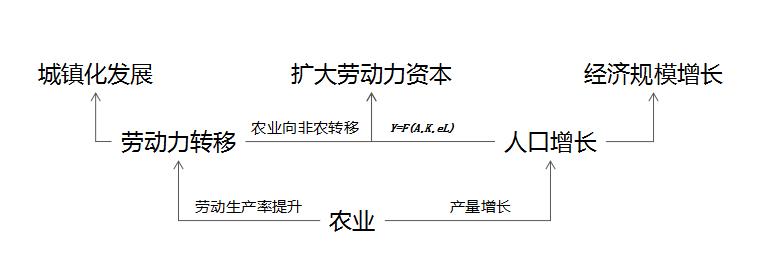
(Illustration: The increase of agricultural output can bring about the increase of population, and the increase of population leads to the expansion of economic scale; The improvement of agricultural labor productivity can transfer more labor to modern industry and commerce and provide labor capital for economic development; Population growth, industrial and commercial development, and more people moving from rural areas to cities have brought about the development of urbanization. )

On the macro level as a whole
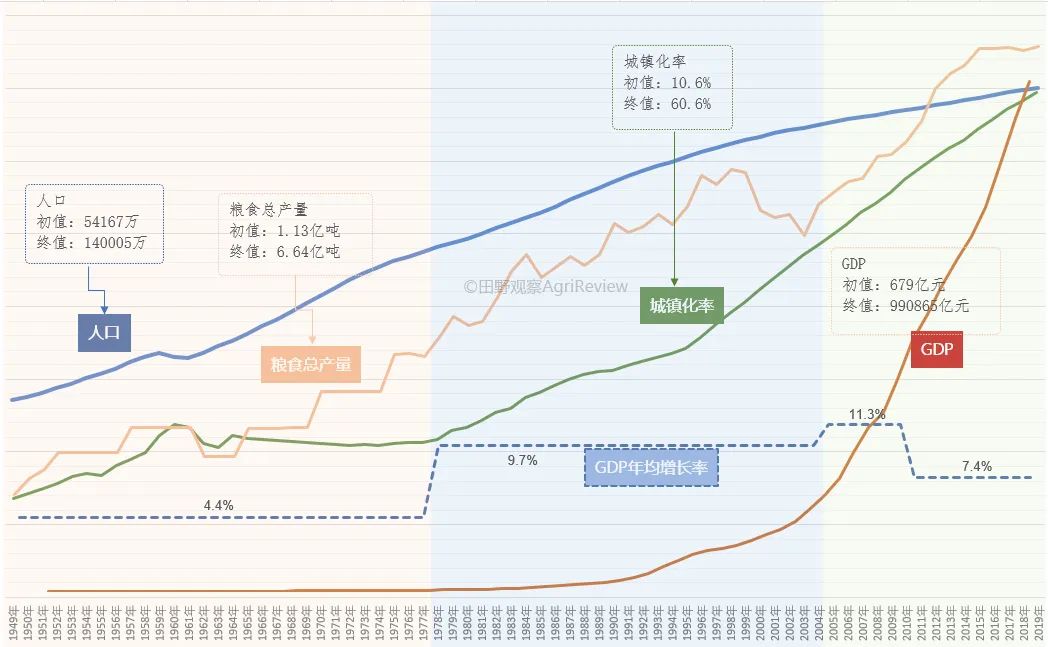
(Statistics of population, grain output, urbanization rate, GDP and growth rate in China from 1949 to 2019-Source: National Bureau of Statistics)

From 1949 to 2019, the annual output of grain in China increased from 113 million tons to 664 million tons; The added value of the primary industry (agriculture, forestry, animal husbandry and fishery, but excluding agriculture, forestry, animal husbandry and fishery services) ranged from 34.3 billion yuan to 7046.7 billion yuan (1952-2019); The population has increased from 540 million to nearly 1.4 billion; Gross national product (GDP) from 67.9 billion yuan to 99,086.5 billion yuan (1952-2019); The urbanization rate ranges from 10.6% to 60.6%. All this is inseparable from the contribution of basic agriculture.

In this process, we have gone from not having enough to supplying by ticket, to solving the problem of food and clothing poverty, and now we have plenty of food and clothing. Great changes have also taken place in our diet structure, from a diet dominated by staple food to a more balanced and scientific diet of grain, fruits and vegetables, meat, eggs and milk.

People’s health status and education level have been greatly improved. The obvious performance is that the average life expectancy has dropped from less than 35 to 77 now, and the illiteracy rate has dropped from 80% to about 5%. Agricultural development not only pushes up the population base, but also provides a high-quality population for economic development, industrial and commercial development and urbanization.

Today, we are the largest agricultural producer in the world, accounting for 20% of the world’s grain output, 39% of the world’s vegetable and fruit output, and 56% of the world’s pigs. We feed 21% of the world’s population with less than 9% of the earth’s arable land, and the food self-sufficiency rate is 82.3%(2017).

The above is the overall view. Since the founding of the People’s Republic of China, China has experienced several different historical periods. The political and economic systems in each period are not only the same, but also the agricultural and economic development have different structural models and logical relationships. Therefore, we need to look at the relationship between agriculture and economic development in stages.

Look at it in stages

Professor Cai Fang once divided China’s economic development into five stages: Malthusian trap, Ghilt’s involution, Lewis’s dual economic development, Lewis’s turning point and Solow’s neoclassical growth. We divide and simplify it into three stages to explain the relationship between agriculture, population and economic development respectively.

I From Malthusian Trap to Involution (1949-1978)

At the beginning of the founding of the People’s Republic of China, we just got out of the war. We are a poor and backward agricultural country, and more than 500 million people are facing the situation of not having enough to eat and not being warm. The population situation is that the high birth rate is accompanied by the high death rate, showing a slow growth, that is to say, it is in the Malthusian trap.

Malthusian trap was put forward by thomas robert malthus, a British political economist, and named after it. It means that the population growth is in accordance with geometric progression, while the survival resources are only in accordance with arithmetic progression. The extra population will always be eliminated in some way, and the population cannot exceed the corresponding level of agricultural development.

We got out of the Malthusian trap on the one hand from the post-war peace, and on the other hand from the food growth brought by agricultural development. After the founding of the People’s Republic of China, although China experienced political movements such as cooperatives, people’s communes, the Great Leap Forward and the Cultural Revolution, our grain output still increased gradually during this period.

During this period, agricultural development was promoted by both agricultural system and agricultural technology.

From the early days of the founding of the People’s Republic of China to 1952, China basically completed the land reform, more than 300 million farmers regained their land, and agricultural production gradually resumed after the war; Subsequently, agricultural production gradually began the movement from mutual aid groups, cooperatives, primary cooperatives, advanced cooperatives to people’s communes. Although from the perspective of system, the influence of system on agricultural development in different periods is both positive and negative, the progress from agricultural technology has obviously promoted agricultural development. Modern agricultural technologies after the industrial revolution: chemical fertilizers, pesticides, improved varieties, irrigation and mechanization (chemical fertilizer industry and mechanization are mainly after the reform and opening up), which have greatly promoted the development of agriculture.
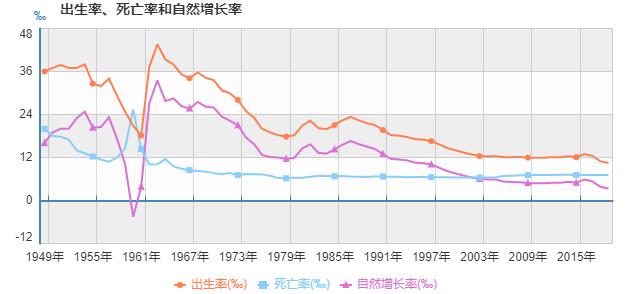
(Illustration: The grain growth brought by agricultural development increases the environmental carrying rate, and with peaceful development, the mortality rate is greatly reduced and the population is growing rapidly. )

The development of agriculture made us get out of the Malthusian trap, and the population increased. However, due to the influence of planned economy, unified purchase and marketing, people’s commune and household registration policy in this period, the increased population did not shift from agriculture to industry and commerce, nor did more people shift from rural areas to cities. The urbanization rate only increased from 10.6% to 17.9% in 30 years.
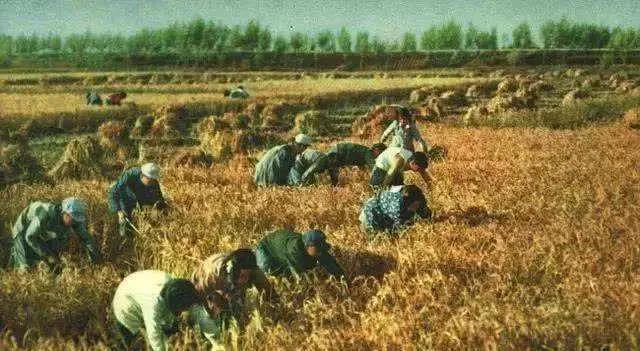
A large number of surplus labors stay in the countryside, forming an involution society.

Involution was put forward by Ghilt, an American anthropologist, when studying Indonesian agriculture. It refers to the phenomenon that a social or cultural model stagnates or cannot be transformed into another advanced model after reaching a certain form at a certain stage of development.

Huang Zongzhi used the concept of involution in the study of China’s economic development and social changes in "Small Farmers’ Families and Rural Development in the Yangtze River Delta". He called the growth without development "involution" by investing a lot of labor on limited land to obtain the way of total output growth, that is, the way of diminishing marginal benefits.

A large number of surplus labor stranded in rural areas in the involution stage will become an important resource in the following dual development stage.

II Lewis’s dual economic development stage (1978-2004)

In 1978, China began to reform and open up, and changed from a planned economy to a socialist market economy. Since then, China’s economy has embarked on a long-term high-speed growth channel, with high-speed industrial and commercial development and increasing urbanization rate. In this process, a large number of surplus laborers stranded in rural areas during the involution period were released, and they entered cities and towns from rural areas, and entered industry and commerce from agriculture, which became the main driving force of economic development and formed a dual high-speed development model. This model lasted until around 2004, and entered the next stage of development with the arrival of lewis turning point and the disappearance of the demographic dividend.

Dual Economic Model and lewis turning point;

Dual economic model was put forward by British economist Lewis, which means that developing countries coexist with two different economic systems: traditional agricultural economic system and modern industrial system, which is called dual economic structure.

In the dual economic model, the traditional agricultural sector has a large number of surplus labor with zero marginal productivity, and the surplus labor is continuously transferred from the agricultural sector to the industrial sector.

When the surplus labor force is completely transferred, it is the first turning point of Lewis. After the transfer of surplus labor force, the labor force began to be in short supply. However, because the marginal productivity of the industrial sector is still greater than that of the agricultural sector, it will continue to absorb the labor force of the agricultural sector, but the wage level will continue to increase until the marginal productivity of the two sectors is equal, forming a labor market integrating urban and rural areas. At this time, it is Lewis’ second turning point.

The development of agriculture in this period is reflected in two aspects: system reform and technological progress. The landmark event of China’s reform and opening up was the "all-in-one contract" in Xiaogang village in 1978. The household contract responsibility system began to gradually replace the people’s commune, which improved the incentive mechanism and mobilized the enthusiasm of farmers.

The system reform has brought about the improvement of production efficiency and output. Professor Lin Yifu said that 47% of the increase in agricultural product output comes from the improvement of incentive mechanism by household contract system. In terms of system, it also promoted the development of agriculture by abolishing the state monopoly on purchase and marketing (gradually abolished in the mid-1980s), and land circulation (starting in 2002) further increased the mobility of factors.

In terms of technology, industrialized agricultural technologies such as chemical fertilizers, pesticides, improved varieties and mechanization have further promoted agricultural production and income. In this stage of agricultural industrialization and modernization, agricultural development and industrial development promote each other.

According to the production and use of chemical fertilizers, there were only a few chemical fertilizer plants in China before the reform, and the annual chemical fertilizer output was only a few million tons, and now it has reached 40-50 million tons/year. Pesticide, seed industry and mechanization also developed rapidly during this period.

During this period, the industrial structure of agriculture has also undergone important changes. The proportion of agriculture (planting), animal husbandry (breeding) and fishing has changed from planting-oriented industrial structure to about 6:3:1 structure, and in planting, the proportion of fruits and vegetables is increasing.

These can be perceived from our daily life for decades. Our daily diet structure has changed from the traditional 8: 1: 1 food: vegetables: meat structure to the 4: 3: 3 model of the upper class in the city and the richer areas such as Taiwan Province and Hongkong. This change is the "hidden" agricultural revolution put forward by Professor Huang Zongzhi.

On the whole, the development of agriculture in this period is not only reflected in the nearly two-fold increase of grain output, but more importantly, the change of food structure, and the improvement of population quality (reflected in the average life expectancy and education level) while the population increases. In this case, the total population growth and quality improvement, coupled with a large number of surplus labor stranded in rural areas during the involution period, provided a large number of cheap surplus labor for the economic development of this period.

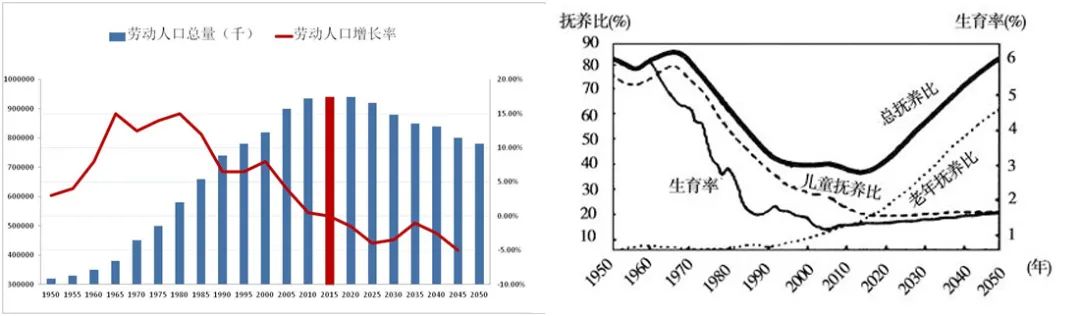
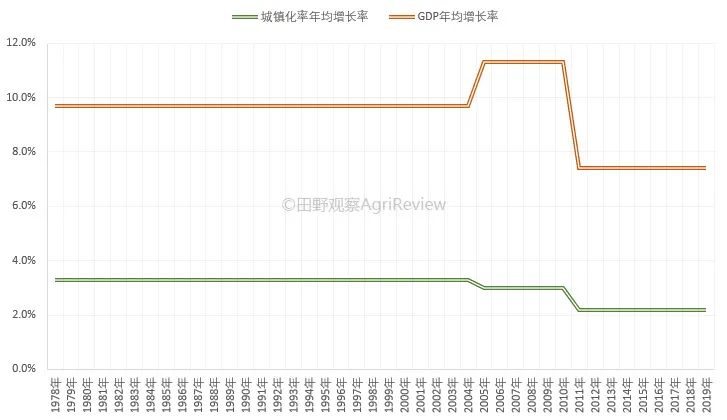
At the same time, China’s working-age population (15-59 years old) increased before 2010, reaching a peak of 940 million in 2010. These constitute a huge demographic dividend of economic development since the reform and opening up and become the main driving force for rapid economic growth. At this stage, China’s economy continued to grow at a high speed, with an average annual growth rate of 10% from 1978 to 2010. The urbanization rate ranges from 17.9% to 49.9%.
III transition period (2004-)

In 2004, the "labor shortage" first appeared in the Pearl River Delta and the Yangtze River Delta, so some scholars regarded 2004 as the lewis turning point of China. After the first turning point of Lewis, the labor supply structure has changed from unlimited labor supply to limited surplus and then to labor shortage.

The arrival of lewis turning point was accompany by that disappearance of the demographic dividend. The disappearance of demographic dividend is divided into two aspects, on the one hand, the disappearance of surplus agricultural labor force, on the other hand, the change of population structure, that is, the aging is intensified and the dependency ratio is improved.

2010 can be said to be the turning point of demographic changes. In 2010, the working-age population reached its peak, and the dependency ratio was close to the trough. After that, the working-age population experienced negative growth, aging intensified and the dependency ratio increased.

Entering the turning point, the labor cost rises, and the marginal income of investment in economic growth begins to decline. We can see the decline of GDP growth rate in 2004, especially after 2010. At the same time, the growth rate of urbanization has slowed down (as shown in the following figures: 1978-2004, 2004-2010, 2010-).
Slow down, trap or endogenous?

After 2010, China’s economic growth slowed down obviously. The arrival of lewis turning point and the disappearance of demographic dividend are one of the important factors, because the variables related to labor force in economic growth have negative growth, and the marginal income of investment has also declined.

In addition to the labor factor, the factors that often lead to the slowdown of economic growth are: the disappearance of late-comer advantage (the change from catch-up growth to cutting-edge growth), the sluggish domestic demand and unsustainable investment-driven growth, the crisis of middle-income trap, and the environmental constraints on future development caused by environmental damage caused by economic development.

However, at this turning point, there are also good factors to maintain the sustained economic growth. Some scholars believe that China’s reform has stepped out of the unique "China model" and can stimulate innovation, so that knowledge and technology can become the driving force for economic progress and enter the endogenous growth model.

So is the future good or bad? Maybe the answer lies in the land under our feet.

Opportunities from the perspective of agriculture

Agricultural development is welcoming two important changes, one is technical and the other is attribute. These two changes will bring new opportunities for economic development from a new perspective.

Technically, post-industrial agricultural technology is changing the petrochemical agricultural model.

Our modern agriculture, namely, Industrial Agriculture, is an important stage of world agricultural development after traditional agriculture. Petrochemical agriculture is characterized by consuming a lot of petroleum-based energy and raw materials, using a lot of fertilizers and pesticides, large-scale single planting or breeding, and a highly mechanized, automated and large-scale agricultural model.

Undeniably, this model has brought about a double increase in agricultural output in China, but at the cost of environmental pollution and degradation (ecological environment degradation, soil degradation, soil organic matter reduction, water pollution, agricultural greenhouse gas emissions and air pollution, etc.) and the unsustainability of high energy input model.

Agricultural technology in the post-industrial era is changing the unsustainability of petrochemical agriculture and the negative externalities of the environment in many ways.

There is no strict definition of agriculture in the post-industrial era. In terms of modes, such as ecological agriculture, biological agriculture, circular agriculture, organic agriculture, permanence agriculture, natural agriculture, forest agriculture and Regenerative agriculture, these are all attempts in this regard.

Although the early organic agriculture and natural agriculture left the impression of low yield and low efficiency, with the development of microbial technology, molecular biotechnology, ecological technology, information technology, complex systems and other technologies, agriculture in the post-industrial era is constantly improving productivity on the premise of sustainable development.

Take the application of microbial technology in soil improvement as an example: the industrialized agricultural model has caused soil fertility degradation, organic matter reduction, soil microbial degradation and other problems. This not only reduces the yield, but also reduces the soil organic matter, which also means increasing the greenhouse gas emissions. Using microbial technology can efficiently return straw to the field, improve soil organic matter, and restore healthy microbial population in the soil, which not only restores soil fertility, but also increases soil carbon sequestration and reduces greenhouse gas emissions.

In addition to the field of soil improvement, the development of microbial technology in anaerobic/aerobic fermentation has also greatly improved the efficiency of agricultural and domestic organic waste recycling, turning the garbage in industrial thinking into energy and fertilizer for agriculture in the post-industrial era.

There are biotechnology, such as biological nitrogen fixation; Ecological technology, such as making more use of biological natural enemies for pest management, treating weeds not with herbicides but with comprehensive management (even utilization); At the same time, modern information technology and artificial intelligence technology can more accurately fertilize and use drugs and reduce the waste of unsustainable resources.

On the whole, agricultural technology in the post-industrial era is constantly improving productivity on the premise of sustainable development.

Attribute: agriculture has changed from a single production attribute to a multi-functional attribute.

As an industry with the closest connection between man and nature, agriculture should have multiple functions, but it was only regarded as the production of agricultural products and means of production (pure production function) during the industrialization period. Agriculture should have social, economic and environmental functions besides production functions.

As early as the 1980s and 1990s, Japan and Europe began to actively promote MFA- Multifunctional Agriculture. UNEP The United Nations Environment Programme (UNEP) described multifunctional agriculture in its "Agriculture at the Crossroads: A Comprehensive Report" in 2009:
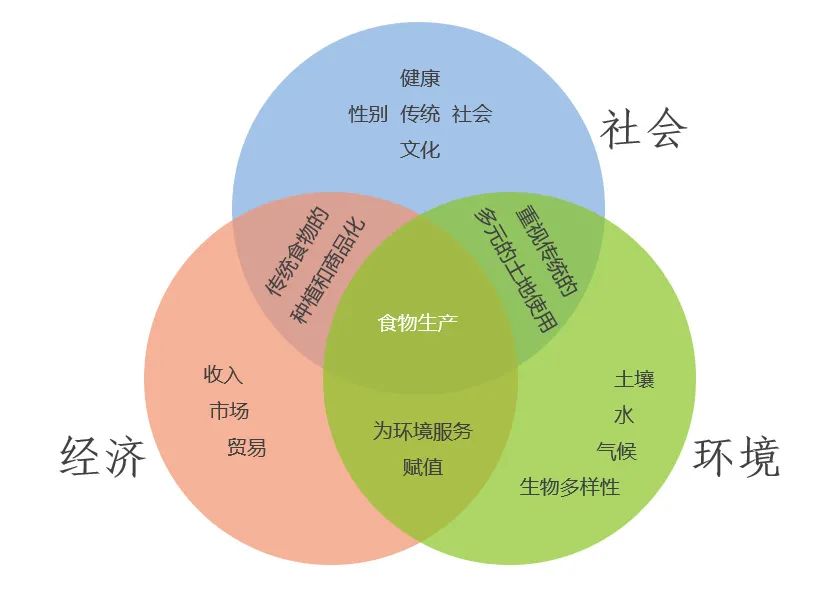
(Illustration: Multifunctional Agriculture Multifunctional Agriculture, IAASTD, UNEP)

Social function of agriculture: agriculture provides a healthy environment and food for the whole society, agriculture and rural areas are also the inheritance of social traditions and culture, and agriculture also plays the role of employment buffer and social stability.

The economic function of agriculture: the commercialization of crop output and its processed products, the primary and secondary production of agriculture, and the positive externalities created by agriculture can empower the economy.

The environmental functions of agriculture: soil, water, climate and biodiversity, which are not only the foundation of agriculture, but also the environment on which our human society depends. Agriculture can destroy the environment, and agriculture can also repair it.

China is a country with a large population. In the early days of the founding of the People’s Republic of China and the period of rapid economic development, the issue of grain output and food security has always been the primary issue of agricultural development. However, with the 12-year continuous increase of grain from 2003 to 2015, the self-sufficiency rate of grain reached 80-90%, and the output was no longer the main goal of agricultural development. We gradually began to pay attention to the social, economic and environmental functions of agriculture, and this trend can also be clearly seen from China’s agricultural policies and rural revitalization strategies in recent years.

The transformation of agricultural technology and attributes brings new opportunities for economic development.

Let’s go back to the economic growth function:

Economic growth function: Y=F(A,K,L),

Y stands for total output, which can be understood as GDP;; A stands for innovation, K stands for capital investment, and L stands for human capital. That is to say, economic growth is a function of innovation, capital and labor.

In the period of dual development, agriculture continuously provides human capital (L) for the development of industrial sectors, but after the Lewis turning point, at our present stage, agriculture will promote economic development by promoting social innovation (A) and form an endogenous growth model driven by technological innovation.

How does agriculture promote innovation? Focus on the environmental function of agriculture.

Sustainable agriculture combined with rational planning, rural areas (including suburbs and towns) have healthy soil, high-quality water, biodiversity and beautiful natural landscape.

The first is industries based on beautiful environment, such as rural tourism, pension, health care, natural education and other industries. Beautiful environment is not only the core assets of these industries, but also provides new competitive advantages and stimulates industry innovation.

Secondly, a good environment will attract those enterprises suitable for telecommuting to settle in villages (or towns). Compared with big cities, rural areas have better natural environment, lower living costs, slower pace of life and cheap and fresh ingredients, which makes some R&D departments such as IT enterprises or high-tech enterprises begin to consider or are moving enterprises/departments out of big cities and into villages/towns.

In fact, the headquarters of many high-tech enterprises in Europe and America are located in some humble towns. There is a famous rural Silicon Valley in Japan, which is located in the once-depressed village-Kamiyama-CHO. Now, many places in China have begun to take advantage of the rural environment to develop innovative industries, as well as rural Silicon Valley. This approach not only reduces the costs of enterprises and employees in many aspects, but also brings employees a healthier life. At the same time, a beautiful environment can stimulate the creativity of enterprises and individuals and inject innovative vitality into the whole economic development.

The so-called "Lucid waters and lush mountains are invaluable assets", a good environment is not only an asset in itself, but also can empower more industries and society, stimulate innovation, and form an endogenous growth model driven by innovation.

summary

In the early days of the founding of the People’s Republic of China, the progress of agriculture enabled us to get out of the Malthusian trap and the population doubled. However, due to the social system, a large number of people were stranded in the countryside and then involved.

With the reform and opening up and the activation of the system, a large number of surplus labor in agriculture has become a huge demographic dividend in the dual development model, achieving rapid growth for 30 years; When traveling to lewis turning point, the demographic dividend disappeared, and at the same time, with the retreat of late-comer advantage and environmental degradation, the growth slowed down;

The transformation of technology and attributes of agriculture brings new opportunities to China’s economy in the transition period. Sustainable agricultural technology can repair the environment. On the one hand, the environmental function of agriculture promotes economic growth with environmental capital, on the other hand, it stimulates innovation with environmental empowerment, thus forming an endogenous growth model driven by innovation.

References:

1. The most important thing for Cai Fang and China is to find new sources of growth.

2. Huang Zongzhi, "China’s hidden agricultural revolution"

3. ronald harry coase/Wang Ning, Transforming China: The Road to China in Market Economy.

4. the Central Committee of the Communist Party of China and the State Council, Rural Revitalization Strategic Plan (2018-2022).

5. Liang Jianzhang: Enlightenment of Paul Romer’s Nobel Prize in Economics to China.

6.World Bank and the United Nations Food and Agricultural Organization,《Agriculture at a Crossroads- International Assessment of Agricultural Knowledge,Science and Technology for Development》

[Introduction of titanium media author: Zheng Lun, founder of AgriReview of field observation, please send an email to 19222038@qq.com if you contact the author. 】

More exciting content, pay attention to titanium media micro-signal (ID: taimeiti), or download titanium media App.
Does the South Korean "Shiyue" tragedy involve evidence fraud? Special inspection team raided

  BEIJING, June 15 (Xinhua) According to South Korea’s "East Asia Daily" report, the investigation on the shipwreck of the South Korean "Shiyue" passenger ship is still in progress. 14th, responsible for investigating "‘ The special inspection team of Shiyue, who was puzzled by the falsification of evidence at the time of the tragedy, seized and searched the server of the comprehensive digital evidence management system of the Grand Prosecutor’s Office, which kept CCTV image data on the day of the tragedy.

  According to reports, on the same day, Li Xianzhu’s special inspection team dispatched investigators to the Grand Prosecutor’s Office in Seocho District, Seoul, and mastered the investigation teams related to the "Shiyue" incident such as Gwangju District Prosecutor’s Office and Seoul Central District Prosecutor’s Office in 2014. Closed-circuit television images and investigation records collected inside and outside the ship at that time.

  The special inspection team published a report on the same day, saying: "More than 800 records and 40TB electronic intelligence materials have been obtained from the Special Investigation Committee on Social Tragedy (referred to as the Social Tragedy Committee), and more than 30 boxes of documents and 100TB video have been ensured through the seizure and search of the navy and the marine police, which are being analyzed."

  According to the report, the special inspection team also investigated the suspicion that the CCTV image data was forged on the day of the sinking of the Shiyue and the video recording device (DVR) that stored the data was replaced before being submitted to the prosecution.

  The special inspection team has entrusted the National Institute of Scientific Investigation to identify four materials, such as the original DVR hard disk, recovery data, video containing DVR recovery scenes, and video inside the hull of Shiyue. According to the special inspection, 11 people, including the relevant persons of the Social Welfare Committee, have been summoned as witnesses for investigation.

  The report pointed out that the special inspection team must end the investigation before July 11, and then decide whether to prosecute. If necessary, the special inspection can be approved by the President to extend the investigation period by 30 days.

  According to previous reports, on April 16, 2014, the "Shiyue" passenger ship carrying 476 people accidentally entered the water and sank in the waters north of Pingfeng Island, Jindo County, Jeollanam-do, South Korea, and the 300-year-old was killed or missing. After the tragedy, the South Korean government promised to rectify and set April 16th as "National Security Day" every year.

  At the same time, since the "crony intervention" incident broke out, there have been allegations that former South Korean President park geun-hye left his post without directing rescue within seven hours after the shipwreck, and the former chief secretary of Cheongwadae’s civil affairs intervened in the prosecution’s investigation of the "Shiyue" shipwreck and obstructed the search, which cast more shadows on this tragedy. Poor response after the accident was also written in the impeachment bill against park geun-hye.

Chinese People’s Political Consultative Conference’s Speech at the Biweekly Consultation Forum on "Improving Government Governance by Using Big Data Technology" (Excerpt)

editorial comment/note


The Central Committee of the Communist Party of China’s Decision on Several Major Issues of Comprehensively Deepening Reform proposes to promote the modernization of the national governance system and governance capacity; Today, the five factors that affect the development of IT technology and information industry can be summarized as: "Cloud things move to great wisdom", namely cloud computing, Internet of Things, mobile Internet, big data and smart city.


Can these elements, especially big data, provide technical support and thinking transformation for improving government governance capacity? How can they promote each other and complement each other? Committee member Chinese People’s Political Consultative Conference keenly grasped this combination point and submitted a number of related proposals during the second session of the 12 th Chinese People’s Political Consultative Conference; Some democratic parties have also conducted research on this issue. On this basis, Chinese People’s Political Consultative Conference held a biweekly consultation forum on June 12, focusing on this issue again, and organized some members of the Chinese People’s Political Consultative Conference Committee, heads of relevant departments and industry experts to fully discuss and negotiate around key issues, with a view to finding a practical path for using big data to improve government governance.


At the symposium, participants had a heated and in-depth discussion on how the government supports the application and promotion of big data, the top-level design of big data development, the construction of legal system, and the mechanism of co-construction and sharing, which was positively responded and fully affirmed by relevant departments attending the meeting.


In order to comprehensively and deeply reflect the results of the symposium, today we specially extract the speech made by Committee member Chinese People’s Political Consultative Conference at the symposium for readers.


Small data


Bigdata, or huge amount of data, refers to the information that the amount of data involved is so large that it can’t be captured, managed, processed and arranged to help enterprises make more positive business decisions within a reasonable time by current mainstream software tools.


Big data has 4V characteristics: Volume (mass), Velocity (high speed), Variety (diversity) and authenticity.


The strategic significance of big data technology lies not in mastering huge data information, but in specialized processing of these meaningful data. If big data is compared to an industry, then the key to the profitability of this industry lies in improving the "processing ability" of data and realizing the "value-added" of data through "processing".


Big data can be divided into big data technology, big data engineering, big data science and big data applications. At present, people talk about big data technology and big data applications the most. Engineering and scientific issues have not been taken seriously. Big data engineering refers to the systematic engineering of planning, construction, operation and management of big data; Big data science focuses on discovering and verifying the laws of big data and its relationship with natural and social activities during the development and operation of big data networks.

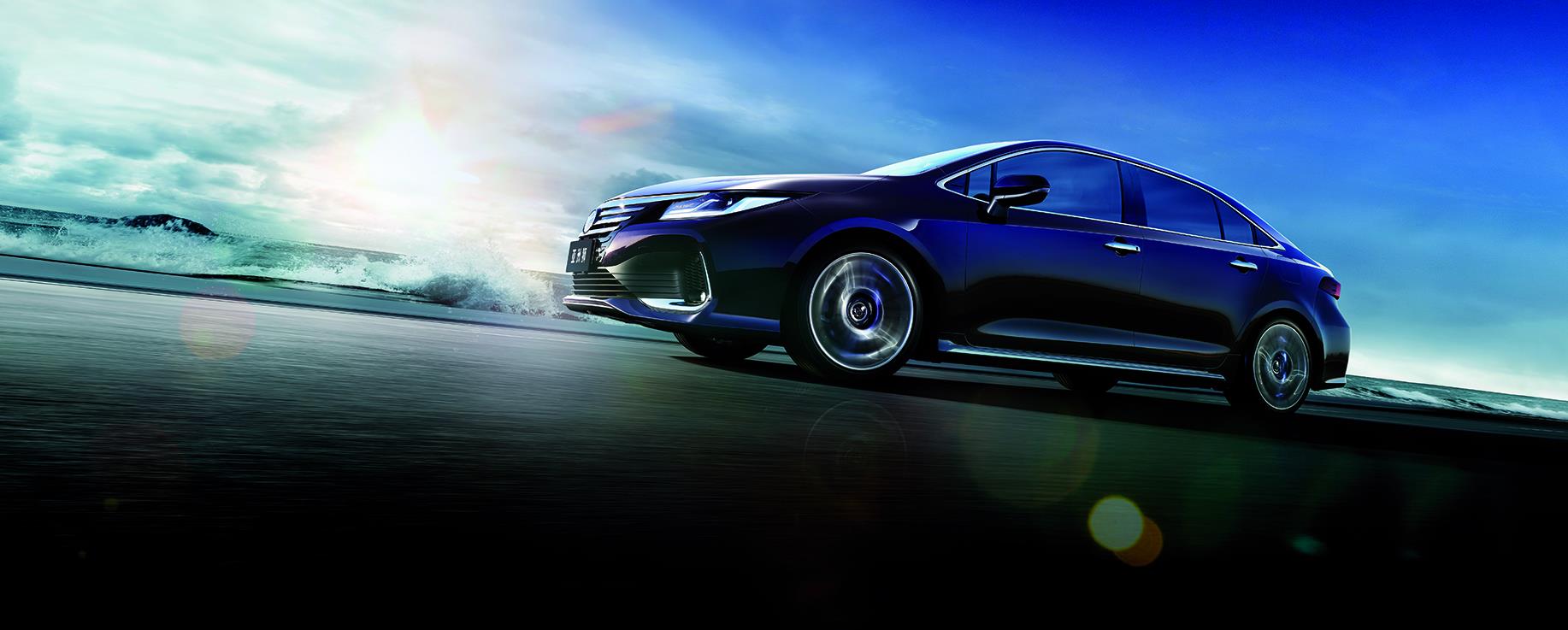
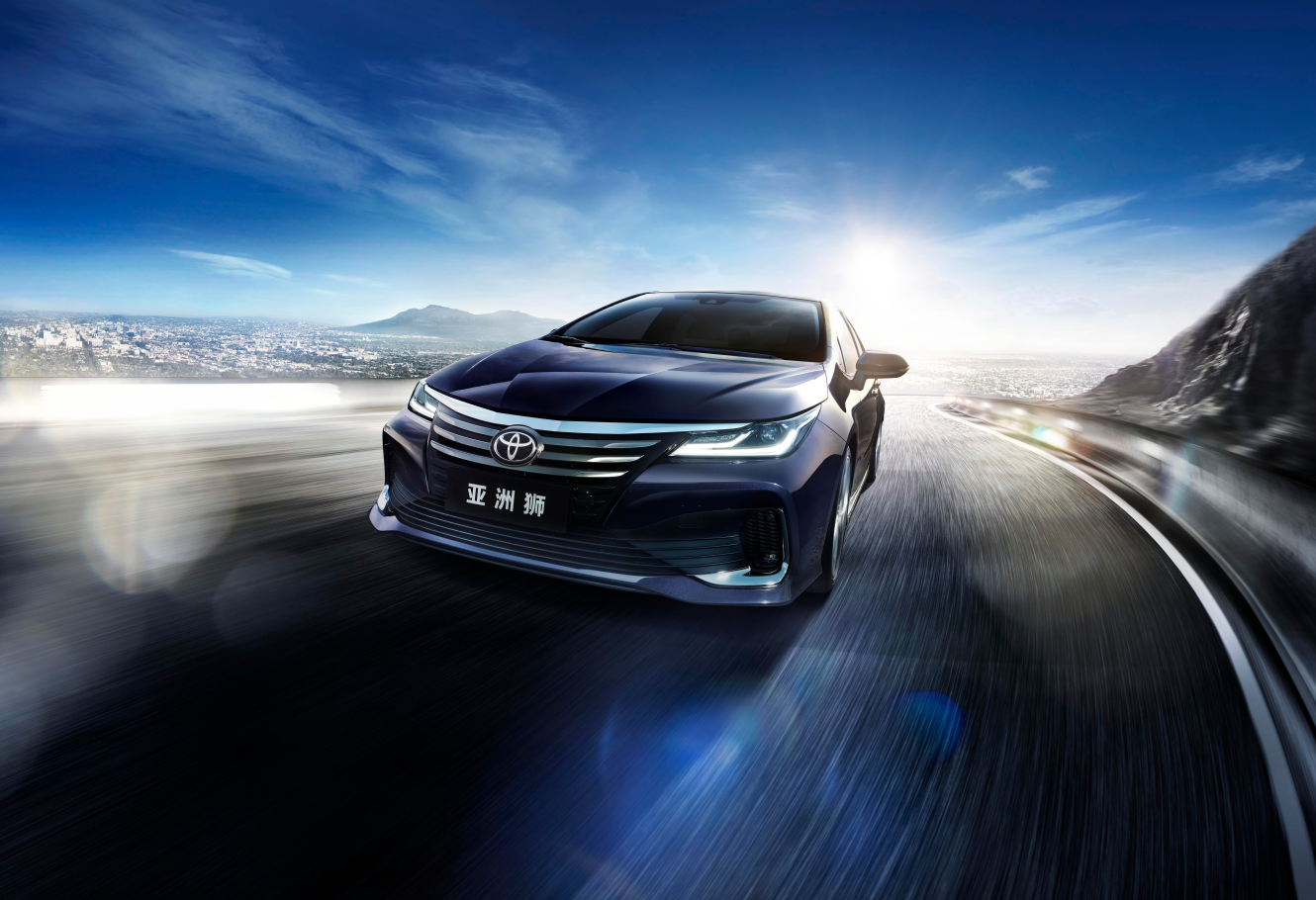
Surprise sublimates Asian lion’s leapfrog strength and blooms again

  At present, driven by the "new four modernizations" of electric, intelligent, networked and shared automobiles, automobiles continue to develop at an unprecedented speed in the field of intelligence and usher in explosive growth. According to the data, the scale of China intelligent networked automobile industry will grow to 255.6 billion yuan in 2020, and it is estimated that the scale of the industry will reach 585.9 billion yuan in 2026, with a compound annual growth rate of 14.8%. According to the forecast of National Development and Reform Commission, the number of smart cars in China will reach 28 million in 2025, and the penetration rate will reach 82%. It can be seen that the smart car industry in China has a large scale, a rapid growth rate and a rising penetration rate.

Surprise sublimates Asian lion's leapfrog strength and blooms again

  In the rapid development of automobile intelligence, the demand of consumers will be one of the important factors that determine its future trend. The strong attack of many car companies in intelligence has indeed given consumers a new experience, but blindly stacking the intelligent configuration layer by layer and continuously creating a "sense of intelligence". In the long run, not only consumers will be tired, but car companies will also encounter a bottleneck that is difficult. How to maintain the basic attributes of the car while taking into account intelligent technology, FAW Toyota Asian Lion, as the benchmark model of A+ class car market, gives the best answer!

Surprise sublimates Asian lion's leapfrog strength and blooms again

  Go beyond the "new" move and then advance.

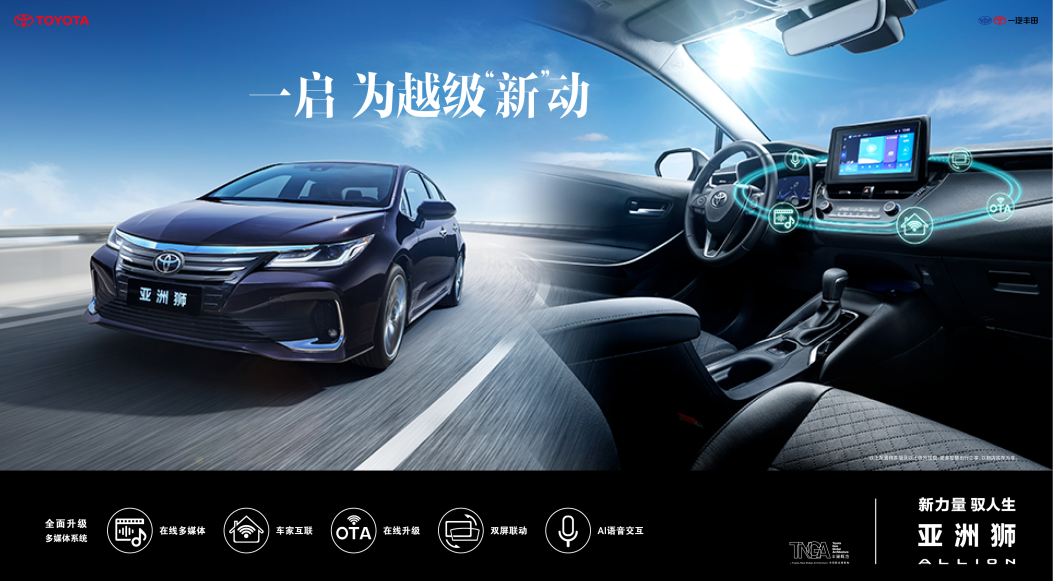
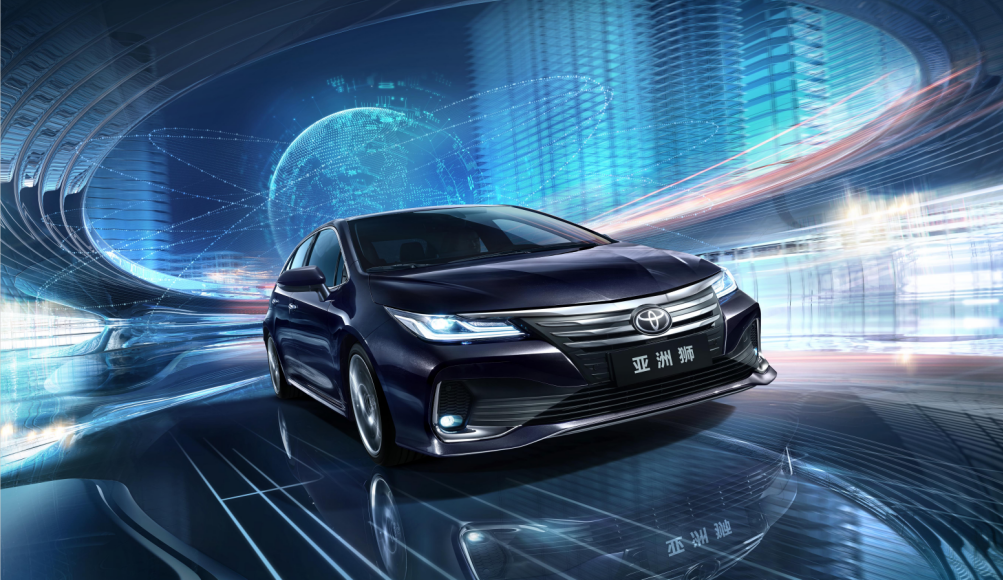
  On July 15th, FAW Toyota Asian Lion officially ushered in its first product rejuvenation, and went public with leapfrog strength. In order to meet the needs of consumers for intelligence and networking, the Asian Lion 2022 has upgraded the multimedia system in the car, making driving more intelligent and convenient. At the same time, the Asian Lion 2022 still maintains the strongest level of its class in terms of its proud large space, strong power and high security. Obviously, the Asian lion, which is positioned in the brand-new TNGA leapfrog car, has once again improved its comprehensive leapfrog strength.

Surprise sublimates Asian lion's leapfrog strength and blooms again

  Intelligent interconnection to create a comfortable and comfortable car life.

  As an important layout of FAW Toyota in the A+ class sedan market, Asian Lion has achieved a great breakthrough after Huanxin’s listing, and it has also unlocked more beautiful new travel experiences for consumers at the digital and intelligent level.

  "Far" process linkage, with intelligent links to life, so that every trip is full of vitality. After upgrading the multimedia system, the Asian Lion 2022 will make the car-home interconnection function smarter. When consumers sit in the car, they can remotely control the smart home appliances with simple operation. This function not only improves the efficiency of travel, but also reduces the potential safety hazard caused by leaving home appliances in a hurry. At the same time, it also raises the beautiful travel to a new height.

Surprise sublimates Asian lion's leapfrog strength and blooms again

  The "chain" is smooth and always in the best condition. Asian lions know what you need better. In order to better meet the personalized car demand of consumers, Asian Lion 2022 has added OTA online upgrade function. Consumers don’t have to go offline to update, but can optimize and upgrade the car system online, so that many functions such as map navigation, infotainment and entertainment are always in the best state, bringing a more convenient use experience.

Surprise sublimates Asian lion's leapfrog strength and blooms again

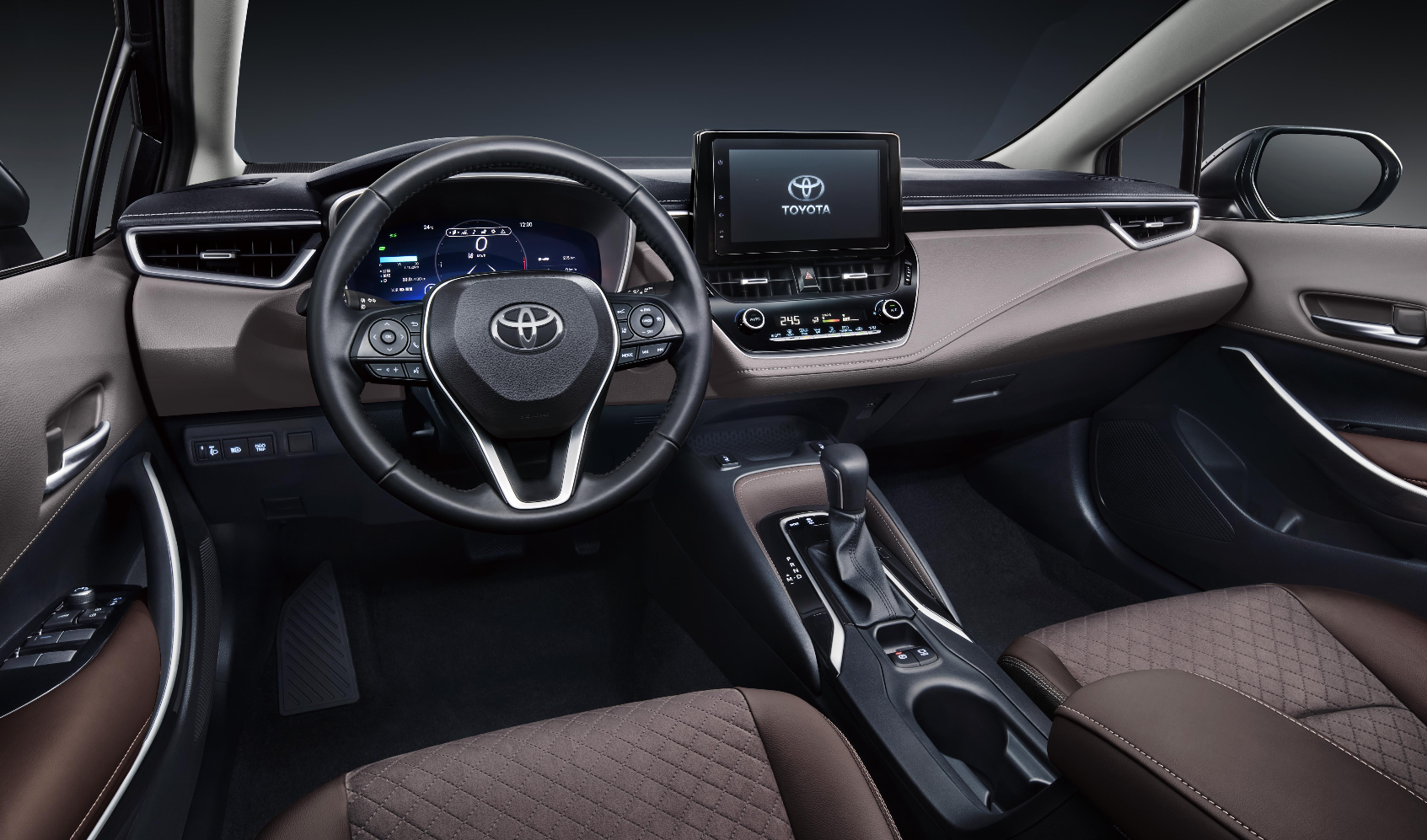
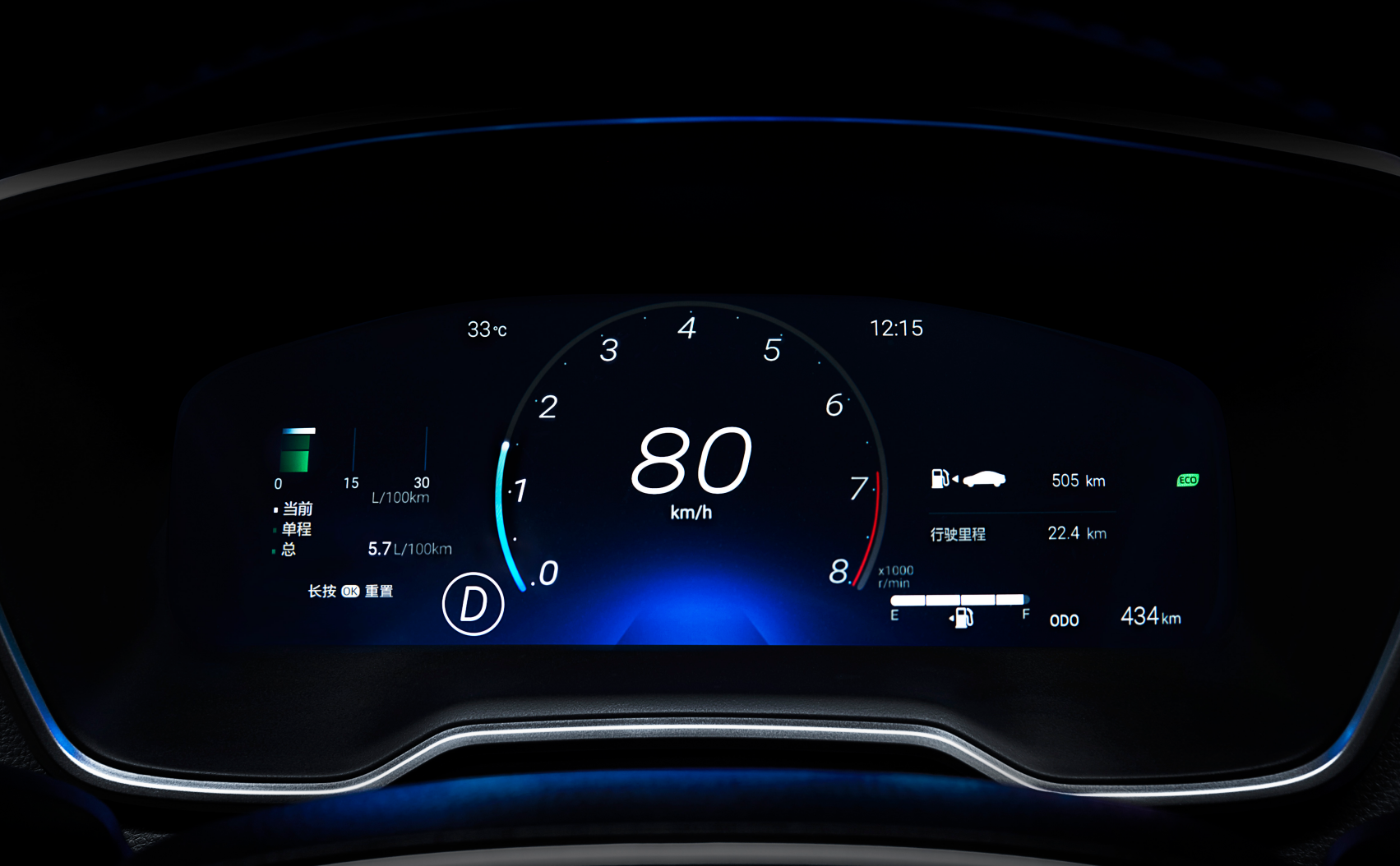
  The "face" is comprehensive, and the new vision of Asian lions brings a new sensory experience. Asian Lion 2022 combines technology with practicality. On the basis of the original intelligent vehicle, the dual-screen linkage function is realized, and consumers can project the specific information in the central control display screen to the full LCD instrument, which not only realizes the intelligent driving interest, but also avoids the blind spot operation when consumers get important information again, resulting in driving risks, and combines high efficiency and practicality with scientific and technological atmosphere to complement each other.

Surprise sublimates Asian lion's leapfrog strength and blooms again

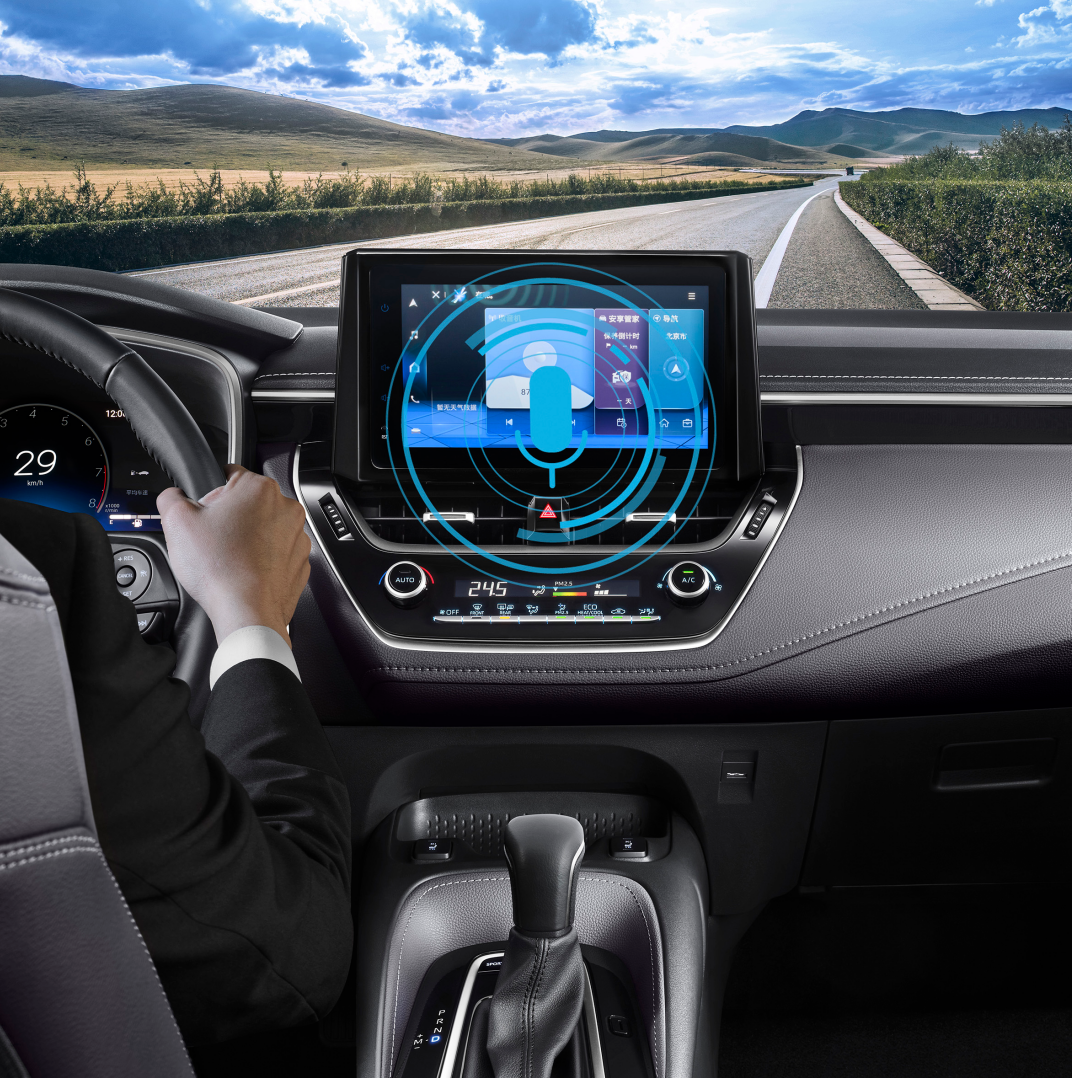
  "Sound" is touching and full of wisdom and wisdom. In the previous intelligent voice control system, Asian lion has shown "high quality" performance with quick response and accuracy, but its enterprising spirit has never stopped. Asian Lion 2022 upgraded its voice function to AI voice interaction, making its function more perfect. Relying on voice recognition, "just move your mouth and command the second response" to double the driving safety. It greatly enhances the voice interaction experience of consumers in the car environment, and also highlights the travel value brought by technology.

Surprise sublimates Asian lion's leapfrog strength and blooms again

  Take your time, leapfrog strength is always accompanied.

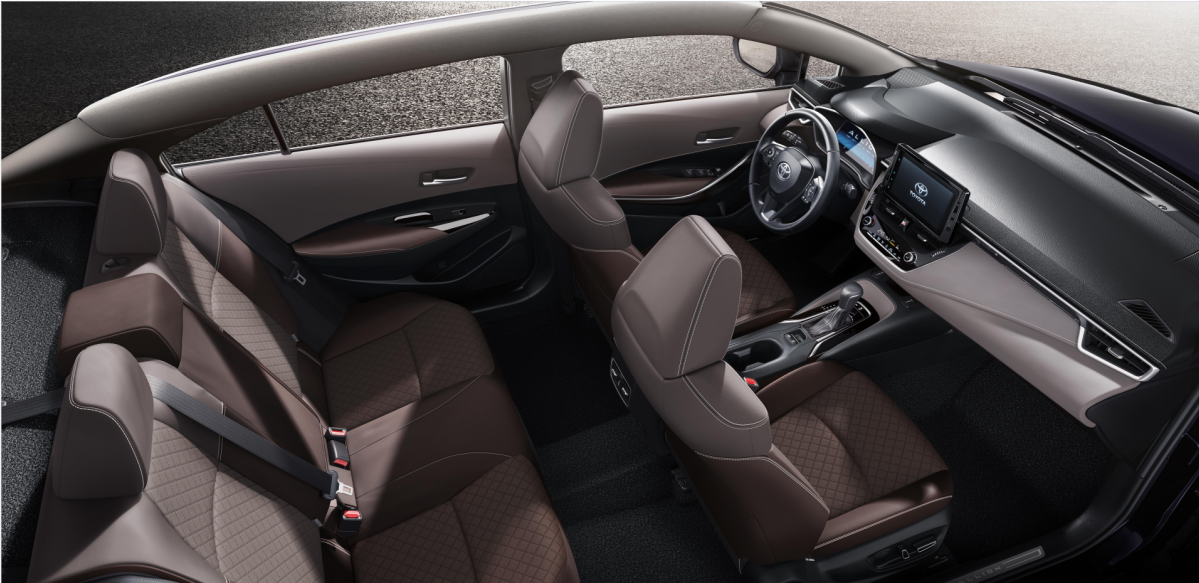
  Asian Lion 2022 not only shows the charm of "drop-dead gorgeous" in the A+ class car market, but also maintains its incomparable leapfrog strength in terms of space, power and safety. Thanks to the low center of gravity given by TNGA architecture, the Asian Lion 2022 is more fun to drive. The large space performance brought by the long wheelbase of 2750mm makes family travel or business contact easy. For consumers who want to experience high performance, the Asian Lion 2022 will not be disappointing. The whole system is equipped with a "golden power" combination of a 2.0L jet engine and a 10-speed dual-drive CVT gearbox. While enjoying the surging power, it can also enjoy the fuel consumption performance as low as 5.7L per 100 kilometers. Even if the oil price rises, the heart can be calm. As far as safety is concerned, the Asian lion has always been called "the strongest in its class", and its reputation of getting started is not groundless. The whole department comes standard with a new generation of Toyota Safety Sense intelligent safety system with six functions, and it has L2-level driving assistance function, so that even novices can easily enjoy traveling, and with the passive safety protection of high rigid body and seven SRS airbags, driving safety can be fully guaranteed at all times.

Surprise sublimates Asian lion's leapfrog strength and blooms again

  Einstein once said: "The human spirit must be above technology". In today’s advanced science and technology, no matter how powerful it is, there must be real human civilization above it. Just like the intelligent development of automobiles, technology endows automobiles with more travel wisdom, but its essence cannot be separated from consumers’ basic car demand. As mentioned above, Asian Lion 2022 will not only further develop its intelligence, but also integrate its leapfrog strength with it, and develop steadily with a "high posture" at the same level, bringing excellent products to consumers, while also achieving an ultra-high quality and price ratio of 141,800 yuan to 179,800 yuan. In addition, all departments can enjoy the national policy of halving vehicle purchase tax and the "three preferential policies" carefully prepared by FAW Toyota, and multiple welfare combinations will help every consumer easily start a better life.

  Faw Toyota’s "three preferential policies";

  -[Financial Policy] Down payment of 62% with 0 interest, down payment of 41% with 0 interest, and down payment of 22% to 5 years with ultra-low interest.

  -[Replacement Policy] The replacement subsidy is 3,000 yuan in non-restricted areas and 5,000 yuan in restricted areas.

  -[Other policies] 2,000 yuan car purchase fund, 10,000 yuan gift package and other preferential gifts

  * For policy details, please consult the local authorized dealer of FAW Toyota.

  Remarks: For all the above configurations, please refer to FAW Toyota official website for details. ※.

Still struggling with how to choose BYD Han EV/DM-I/DM-P? You will know the answer after reading it.

use"debut is the peak"It is no exaggeration to describe BYD Han. Since its launch, the sales volume of this car has been rising all the way. It took only one year to become the first C-class luxury car in China to exceed 100,000 sales. Today, the cumulative sales volume has exceeded 190,000 units, and the sales ranking has reached a new height in the list of medium and large cars.

BYD Han is so successful, not only because of its excellent product strength, but also because of the rich variety of Han series products, which can cover car buyers of all ages and occupations. At present, BYD Han series has three power types to choose from, namelyByd Han DM -i, Han DM-p and Han EV. . However, many friends are more entangled when they choose more. Which of the three cars is more suitable for them? How should I choose?

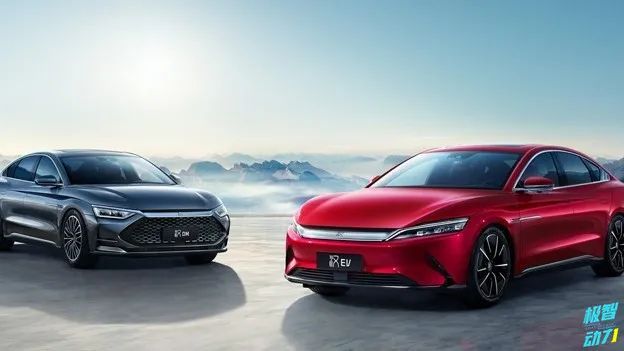
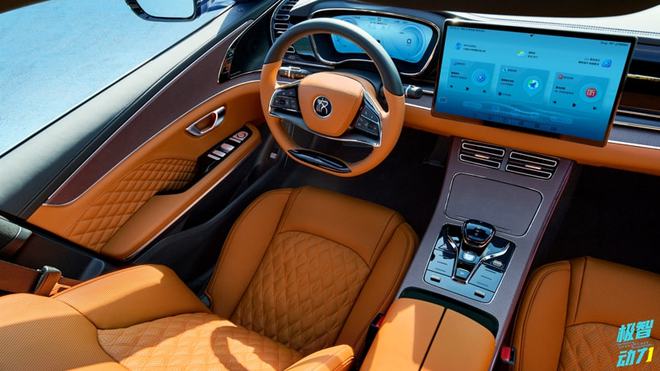
First of all, BYD Han DM-i, Han DM-p and Han EV.Both belong to the Han series.Naturally, there will not be much difference in the design of the exterior interior, except for some differences in details, and the overall style and modeling are almost the same, so the parts visible to the naked eye will not be repeated here. As for the three car configurations, in fact, the entry-level model configuration is very rich, which can fully meet the car needs of ordinary families. If there is no hard requirement for configuration when buying a car, you can basically choose it blindly.

In terms of body size, Han DM-p and Han DM-i have the same size, with the length, width and height of 4975/1910/1495mm and the wheelbase of 2920mm; respectively. The length, width and height of Han EV are 4980/1910/1495mm, and the wheelbase is also 2920mm;; The length difference of only 5mm is almost negligible, soThe spatial performance of the three cars is basically at the same level..

Next, let’s focus on the different parts of the three models:

price

When most friends buy a car, the first thing they care about is the price of the product. After all, it is the most basic premise within the budget. The following are the prices of BYD Han EV, Han DM-i and Han DM-p:

price

BYD Han EV is currently selling a total of four models, with prices ranging from 214,800 to 284,500.

BYD Han DM-i offers four models, and the pre-sale price is between 216,800 and 292,800.

BYD Han DM-p has only one model, namely the 202km four-wheel drive flagship model, and the pre-sale price is 322,800.

From the pricing point of view, the price range of Han EV and Han DM-i is relatively close, and the price difference is only around several thousand yuan, so it is relatively more difficult to choose between these two products. The price of Han DM-p is the highest in BYD Han series at present, which is about 30 thousand more expensive than the other two models, and only one model is available.

power system

Although both belong to BYD Han series, the three models have obvious differences in the power system.

Among them, BYD Han DM-i is a hybrid model.The whole system comes standard with a 1.5T fuel engine, with a maximum horsepower of 139 horsepower and a peak torque of 231 Nm.. However, the motor has high and low power, and the high power version is equipped with a 160kW permanent magnet synchronous motor; The low-power version is equipped with a 145kW permanent magnet synchronous motor; Although the power is different, the official acceleration time of 100 kilometers is 7.9 seconds. The implication is that the high and low power of the motor will not affect its acceleration performance.

BYD Han DM-p is also a hybrid model.It is also equipped with the same 1.5T fuel engine.Matching the double permanent magnet synchronous motor with the front 160kW and the rear 200kW, the comprehensive torque of the motor is 675 Nm, matching the electric four-wheel drive, and the acceleration of 100 kilometers takes only 3.7 seconds. The dynamic performance can be said to represent the highest level of BYD in the car industry at present.

Let’s take a look at BYD Han EV pure electric vehicle.The standard version and the long battery life version are equipped with a 163kW permanent magnet synchronous motor.The acceleration of 100 kilometers is 7.9 seconds, and the performance is at the same level as BYD Han DM-i; The four-wheel drive high-performance flagship model is equipped with dual motors with the front 163kW and the rear 200kW, and the acceleration of 100 kilometers takes only 3.9 seconds, which almost reaches the performance height of BYD Han DM-P.

continue a journey without refuelling

Of course, whether it is a hybrid car or a pure electric car, endurance performance is a very noteworthy focus.

For example, BYD Han DM-i adopts two battery capacity specifications of 18.3kWh and 37.5kWh.It can provide pure electric cruising range of 121km and 242km respectively.; When the car is fully charged, the NEDC comprehensive cruising range of this car can reach 1300km, and there is no endurance anxiety like a pure electric car. It is worth mentioning that in the case of power loss, Han DM-i also has considerable fuel economy, and the fuel consumption per 100 kilometers is as low as 4.2L

And BYD Han DM-p is under NEDC working condition,The cruising range of pure electricity is 202km.In the case of full charge and full oil, the car can also reach the endurance of nearly 1000km; The fuel consumption per 100 kilometers is 5.2L in the state of power loss. Although the fuel consumption is slightly higher than that of Han DM-i, the fuel economy of Han DM-p is remarkable compared with that of the same class.

The cruising range of BYD Han EV is 506km, 550km and 605km.Although the highest endurance of this car can’t be compared with the comprehensive endurance of the other two models, it’s no problem to use it for home use, city commuting or short-distance travel, considering that the oil price is getting higher and higher now, and Han EV is a pure electric car, and the cost of using it in the later period is very low. And this car supports fast charging, and it takes only 0.42 hours to charge to 80% of the power.

Write it at the end

After comparison in many aspects, the selection of Han series hybrid vehicles,The comprehensive performance of Chinese DM-i is relatively more comprehensive.The cost performance will be higher, which is more suitable for most working-class people; And Chinese DM-p can actually be regarded as a high-performance version of Chinese DM-i,If you have enough budget and have certain requirements for performance, then I suggest starting with Chinese DM-P.After all, the 100-kilometer acceleration performance of 3.7 seconds has reached the level of super-running, and at the same time, it also takes into account certain fuel economy. More than 300,000 landings are definitely worth the money; Han EV is undoubtedly the best choice if it only meets the needs of commuting and at the same time cares about the cost of car use.

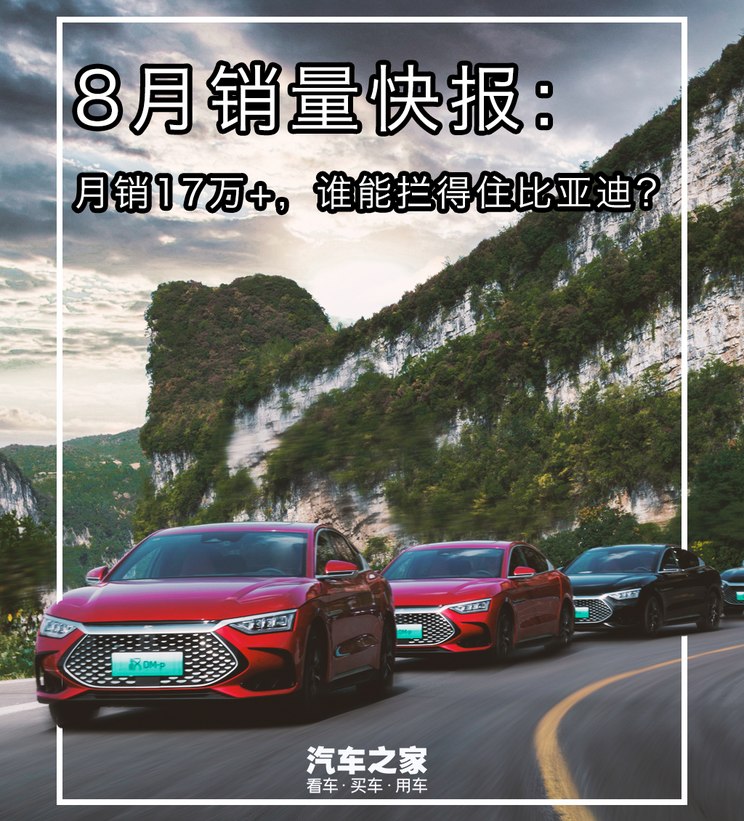
August Sales Express: Ideal Fold/BYD Summit

  [car home Information] It was a dramatic August, and the much-anticipated Chengdu Auto Show came to a hasty end in the epidemic. Fortunately, the major brands did not seem to be affected too much, and they could not wait to announce their achievements in August from the beginning of September. At present, a number of brands have released sales data in August. It’s true that some people are happy and some people are worried. Let’s take a look.

Home of the car

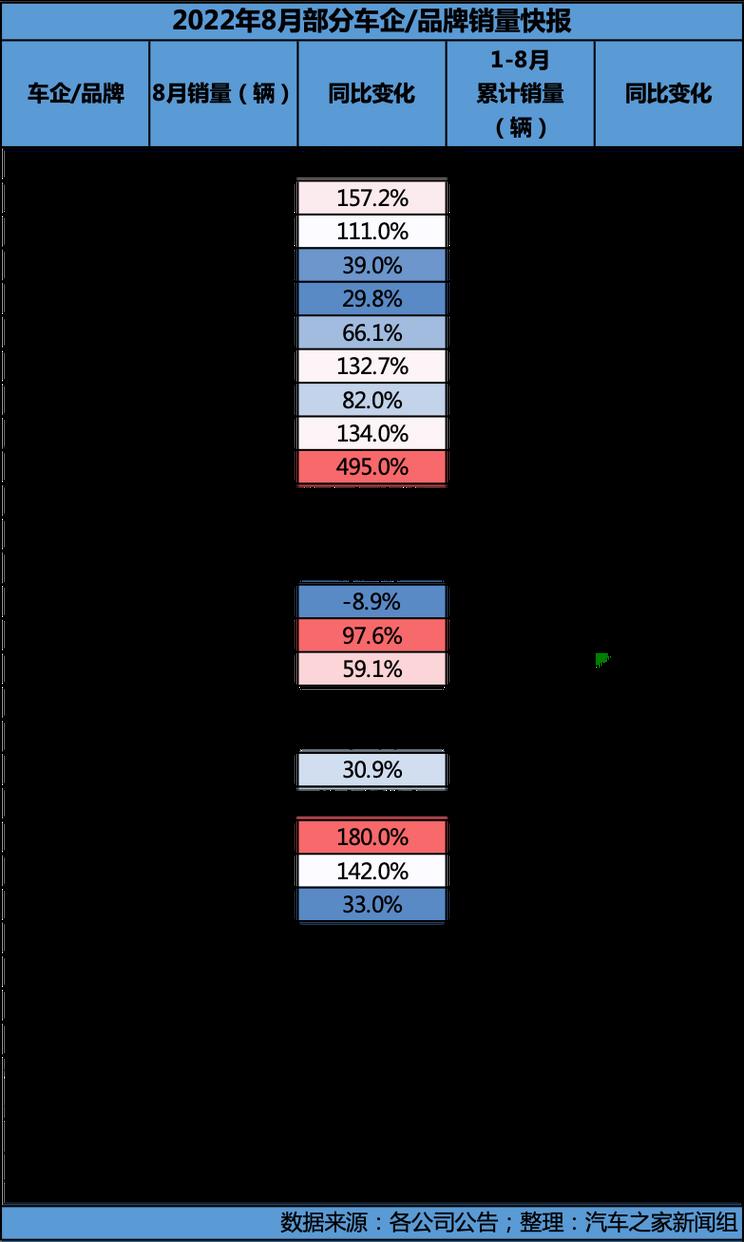
  As of the publication of this article, 9 China brands, 8 overseas brands and 7 new car-making forces have announced their sales in August. The following are the specific sales data of each brand:

Home of the car

● China car companies/brands.

  In terms of China brand, BYD has once again become the first, and its growth rate is also good; Lantu, FAW Pentium, and Guangzhou Automobile Ai ‘an all gained good growth rates. It is worth noting that the sales of new energy vehicles of China brands have all increased, and pure new energy brands, such as BYD and Ai ‘an, have achieved good results.

★ BYD

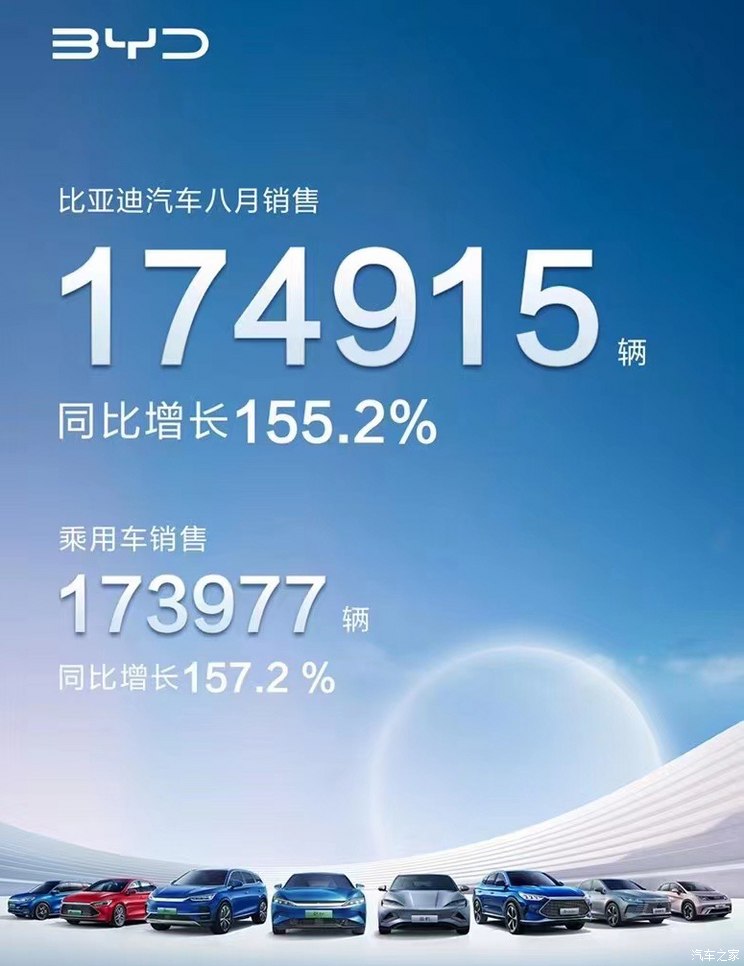
  When the new forces are still complacent about the monthly sales, BYD has a monthly sales of 170,000+,making it a strong new energy throne. In August, BYD sold 174,915 vehicles, a year-on-year increase of 155.2%.

Home of the car

  Specifically, the sales volume of BYD’s passenger cars in August was 173,977, a year-on-year increase of 157.2%. Among them, the sales volume of BYD DM model is 91,299, and the sales volume of EV model is 82,678, and the two kinds of power are almost equally divided.

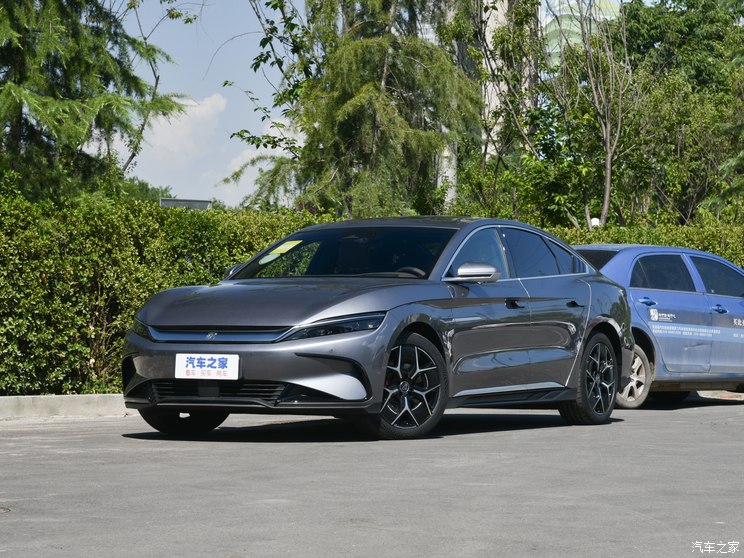
BYD Han 2022 EV Genesis Edition 715KM predecessor honor type

  In terms of vehicle types, all BYD family products can be used, and the sales volume of Han family is 26,003, among which the DM series of Han increased by 351.6% year-on-year. The cumulative sales of the Han family exceeded 300,000 vehicles. There are 10,815 Tangjia people, of which Tang EV increased by 230.6% year on year. There are 42,500 Song families, of which (|) series increased by 321.9% year-on-year. The cumulative sales of the Song family exceeded 1.29 million. Qin family sold 39,512 vehicles in August, of which Qin PLUS DM-i increased by 85.9% year-on-year. The cumulative sales of the Qin family exceeded 720,000 vehicles. Yuan family sold 18,265 vehicles in August, and the cumulative sales of Yuan family exceeded 340,000 vehicles. In addition, the sales volume of destroyer 05 in August was 8725, up 15.6% from the previous month. BYD Dolphins sold 23,469 vehicles in August, an increase of 11.7% from the previous month, and the cumulative sales volume of Dolphins was 130,000 vehicles.


★ Chery Automobile

    Similar to Geely, Chery Automobile’s Chery, Jietu, Xingtu and Chery New Energy also cooperated, and sold 141,767 vehicles in August, up 111% year-on-year. Among them, 51,774 vehicles were exported, a year-on-year increase of 152.7%; The sales volume of new energy was 28,459 vehicles, a year-on-year increase of 267.8%. From January to August, Chery Group sold a total of 748,550 vehicles, a year-on-year increase of 30%; Among them, exports totaled 250,633 vehicles, a year-on-year increase of 51.1%; New energy sources totaled 166,354 vehicles, a year-on-year increase of 200%.

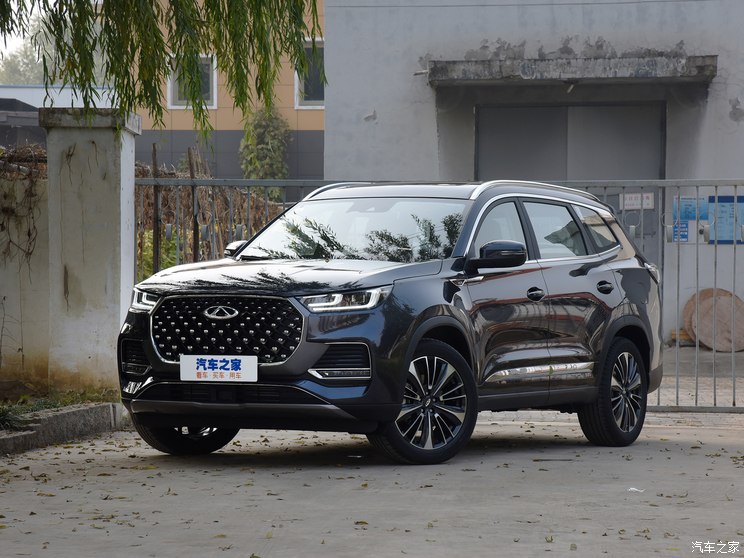
Chery automobile tiggo 8 PLUS 2022 kunpeng edition 390TGDI DCT luxury edition+

  Subdivided into brands, Chery Automobile sold 107,013 vehicles in August, a year-on-year increase of 132.3%; From January to August, the cumulative sales volume was 566,883 vehicles, a year-on-year increase of 47.1%. Tiggo 8 and Tiggo 7 series became the two main sales forces of Chery brand. Tiggo 8 sold 18,286 vehicles, up 98.5% year-on-year. Tiggo 7 sold 20,286 vehicles, up 628.1% year-on-year.

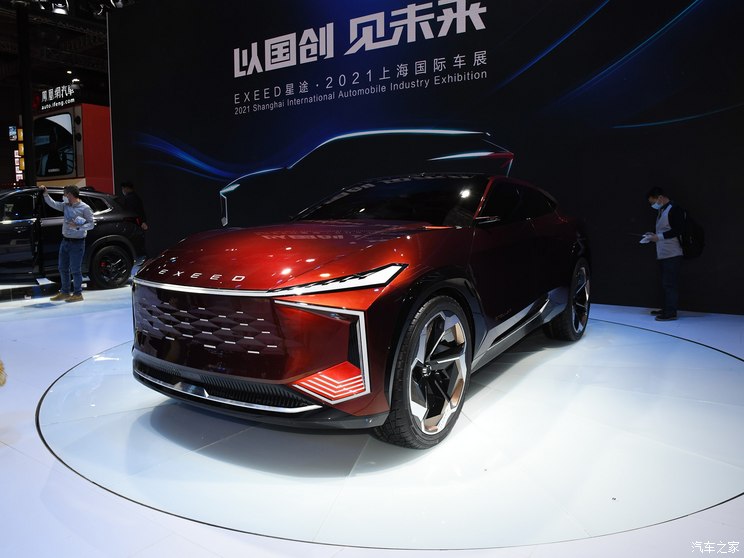
Starway Starway Eta Ursae Majoris 2021 Concept

  Xingtu Automobile sold 5,543 vehicles in August, a year-on-year increase of 214.4%; From January to August, the sales volume was 28,572 vehicles, a year-on-year increase of 57.8%. Jietu Automobile sold 18,979 vehicles in August, up 84.6% year-on-year; From January to August, the cumulative sales volume was 96,716 vehicles, a year-on-year increase of 3.4%.

  From January to August, Chery Group sold a total of 166,354 new energy vehicles, a year-on-year increase of 200%. Among them, the new energy passenger cars represented by Chery Ant and QQ Ice Cream not only created the top three market share of independent brands this year, but also broke through the "150,000 vehicles" sales mark in August, achieving a cumulative sales of 157,576 vehicles during the year, with a year-on-year increase of 238%.


★ Geely Automobile

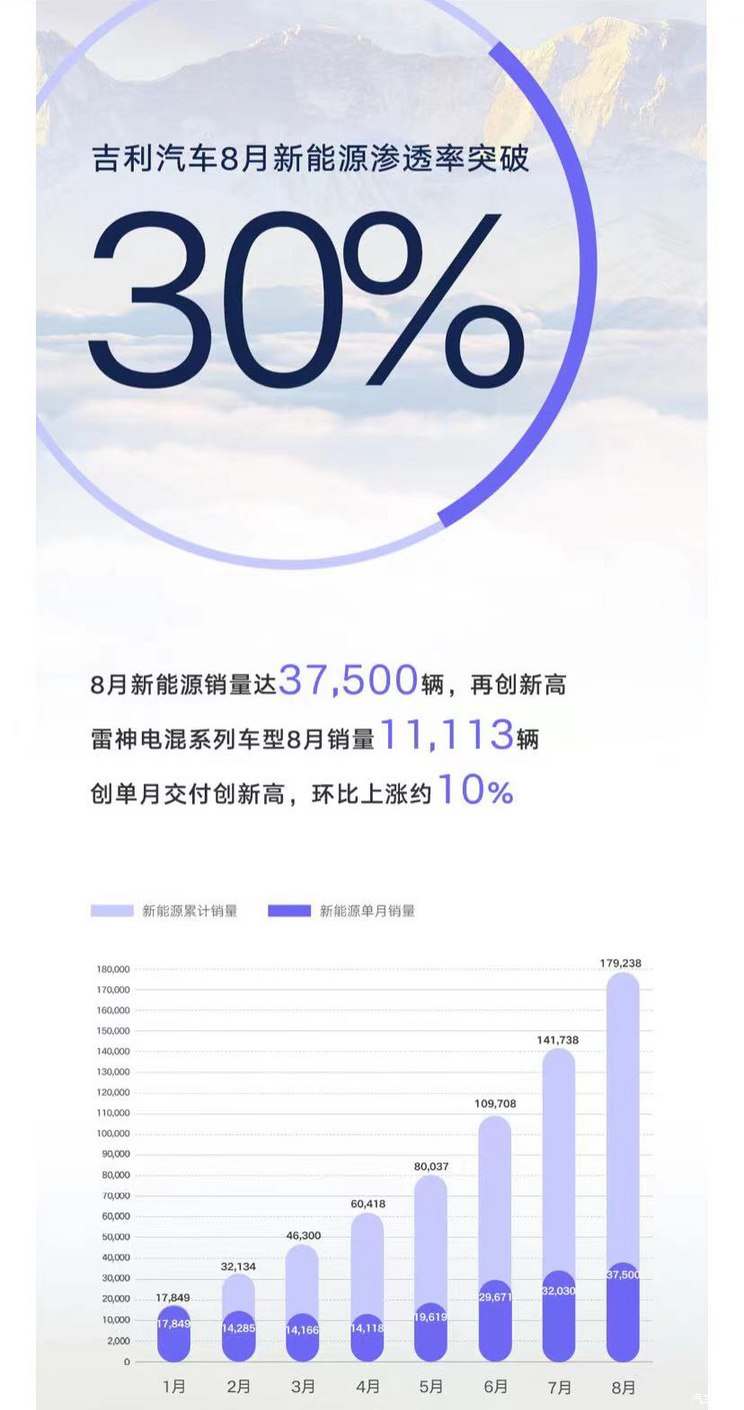
  This month, Geely Automobile still kept its head. Its brands Geely, Lectra, Geometry, Krypton and Ruilan sold a total of 122,635 new cars, up 39% year-on-year, of which 37,500 new energy vehicles were sold (11,113 Raytheon electric hybrid series), and the penetration rate of new energy vehicles exceeded 30%.

Home of the car

  In terms of brand sales, Geely brand sold 95,992 units in August, including 22,742 units of China Star High-end Series and 17,489 units of geometric pure electricity. The brand sold 15,098 units in August, a year-on-year increase of 150%; The polar brand delivered 7166 units in August; Ruilan Automobile sold 4,379 units in August.

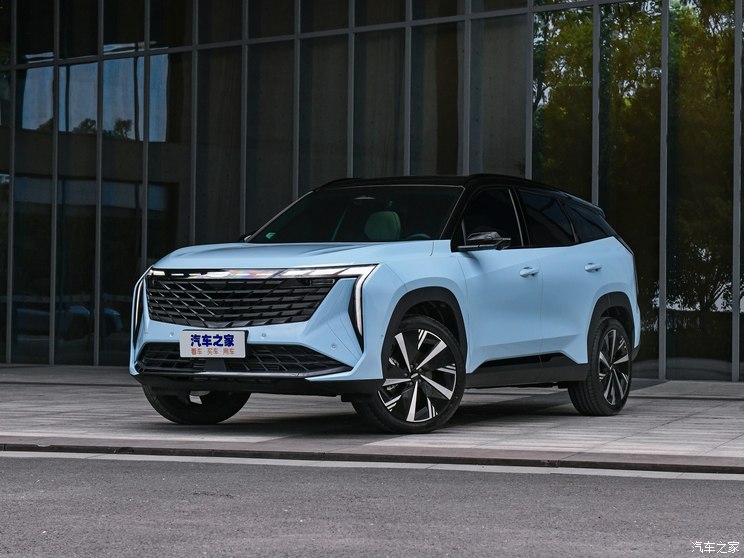
Geely automobile bo yue L 2022 Hi·F oil-electric hybrid

  At present, Geely owns a number of passenger car brands, and these brands work together to promote the sales growth of Geely Group by riding the east wind of new energy. At present, Geely has also laid out a radar car with pure electric pickup brand, and we expect it to help the sales growth of Geely Group after delivery.


★ Guangzhou Automobile Aian

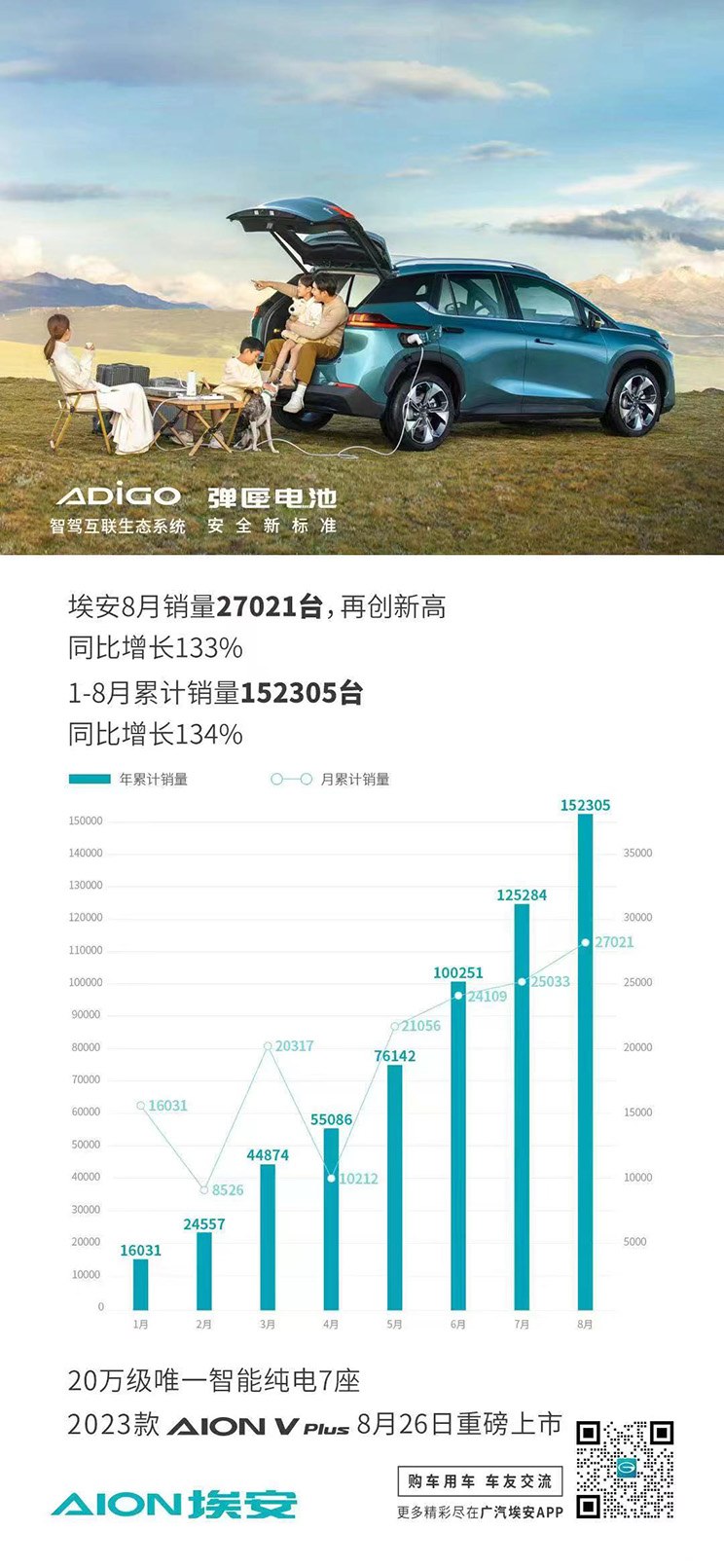
  Guangzhou Automobile Aian officially announced its August sales report card: Guangzhou Automobile Aian sold 27,021 units in August, up 133% year-on-year, and accumulated sales of 152,305 units from January to August, up 134% year-on-year. Guangzhou Automobile Aian owns a variety of new energy products, including AION S, AION S Plus, AION V, AION Y, AION LX, etc., covering compact cars, compact SUVs and medium-sized SUVs, with many market segments.

Home of the car

  On September 6th, the mixed reform of Guangzhou Automobile Ai ‘an was officially finalized, and Guangzhou Automobile Ai ‘an New Energy Automobile Co., Ltd. was formally established. This is another milestone in the innovation and development of Guangzhou Automobile Ai ‘an, and we expect Ai ‘an to hand over a more perfect answer sheet in the future.  


● Joint venture car companies/overseas brands

  In August, the most eye-catching overseas brand was GAC Toyota, with a year-on-year growth rate of 97.6% comparable to that of new car-making forces, which is worthy of recognition; On the contrary, Dongfeng Nissan decreased slightly by 8.9%. In terms of luxury brands, only Volvo has announced sales, and other brands have not yet moved.

★ GAC Toyota

  GAC Toyota sold 84,608 vehicles in August, a year-on-year increase of 97.6%; From January to August, the cumulative sales volume has reached 668,808 vehicles, a year-on-year increase of 25%.

Home of the car

  Although Guangzhou Automobile’s poster is C-rated with Feng Landa, it is Camry and Lei Ling family who bear the bulk of Guangzhou Automobile Toyota’s sales. Camry sold 22,622 units in August and 174,716 units in January-August, ranking firmly in the middle-sized car head camp. The Lei Ling family sold 16,075 units in August and 131,889 units from January to August, and its hybrid version has always been an evergreen tree in the hybrid car industry. In addition, Willanda sold 10,856 units this month and Fenglanda sold 10,234 units, both exceeding 10,000 units. Senna, on the other hand, sold 6,857 sets, with a cumulative sales of 48,207 sets from January to August, which is also a good type in the MPV market. Highlander sold 7520 units, which performed well in hybrid cars.
GAC Toyota Camry 2022 Twin Engine 2.5HE Elite PLUS Edition

  On the whole, Toyota’s hybrid cars perform well, and its mature hybrid system is fuel-efficient, affordable and can stand the test. Friends who need this can consider a Toyota.


★ Dongfeng Nissan

  In the passenger car business segment of Dongfeng Motor Co., Ltd., the total sales volume of Nissan, Qichen and British finidi brands was 88,133 units, down 8.9% year-on-year and up 1.9% quarter-on-quarter. Nissan believes that the decline in sales volume in the same period of this year compared with last year is affected by external factors such as the shortage of chips and other parts in the whole industry and the COVID-19 epidemic.

  In terms of specific brands, the sales volume of Nissan brand models in August was 80,006 units; The sales volume of Qichen brand vehicles was 7,637 units, a year-on-year increase of 31.5%.

Dongfeng Nissan Qichen D60 2021 1.6L XE CVT Smooth Edition

  In terms of specific models, Nissan Teana sold 14,176 units in August, and Sylphy remained stable, selling 43,810 units, up 12.1% from the previous month. Nissan sold 15,358 hackers, a year-on-year increase of 15%. Qichen D60 sold 3,992 units and Qichen D60EV sold 3,397 units, a year-on-year increase of 276%.


★ Beijing Hyundai

  Beijing Hyundai has performed well in recent months, achieving sales growth for three consecutive months, with a total sales volume of 25,385 units in August. Specifically, Elantra sold more than 10,000 units in August, reaching 10,091 units. In addition, the sales volume of Tucson L and ix35 reached 10,724 units.

Home of the car


● New forces of building cars

  Compared with July, everyone delivered ten thousand pieces of happiness and peace in succession, but this month, it showed a state of differentiation. Nezha rose to 16,000+,and the family in the world welcomed it, but the ideal fell less than 5,000.

★ AITO automobile

  Brother Wen Jie’s performance in August was remarkable. Its delivery in August reached 10,045 vehicles, and it proudly advanced into the camp of breaking 10,000 vehicles, ranking fourth among the new forces. It seems that the cow that Yu Chengdong blew is coming true soon?

Home of the car

Sailesi Automobile Sector M5 2022 M5 EV Four-wheel Drive Performance Edition

  On September 6th, the first pure electric SUV—— of AITO brand, Wenjie M5 EV, was officially launched. Two new models were launched, and the price was 288.6-319.8 million yuan, which was just between the low-end and high-end versions of the extended-range M5. Its appearance perfects the product line of AITO automobile, giving consumers more power choices, and with the blessing of "Huawei BUFF", I believe that the brothers in the world can take a fancy to it.


★ LI

  Unlike AITO’s celebration of entering the Breaking Ten Thousand Club, it is ideal to deliver a total of 4,571 new cars in August. It’s a bit embarrassing in the new power. However, this should be the "pain" in LI’s progress. At present, it is at the end of Li ONE’s life, and the production capacity of the ideal L9 has not completely climbed, so it is understandable that there is a short-term "green and yellow" state.

Home of the car

  At present, it is ideal to hold a large number of orders for L9. In November this year, the next new car L8 will also be released and delivered, as well as factories in Changzhou Phase II, Chongqing and Beijing. We believe that the ideal sales volume will return to a reasonable level.

For a detailed interpretation of the sales volume of new forces in August, please click "Ideal Bottom? In August, the new forces delivered the rankings. "

■ Edit comments

  The sales comments in August have come to an end here. At present, there are still many brands that have not announced their sales, and we are also waiting for good news. After the summer heat passed, it immediately ushered in the classic "Golden September and Silver 10" in the automobile industry, which officially rushed to a good period of sales. Major car companies have also prepared a lot of heavy models in the third and fourth quarters. How will their arrival change the sales of major car companies? Please continue to pay attention to car home’s sales reviews, and we will be there next month. (Text/car home Xing Yueyang) 

How difficult is it to join Xiaomi car?

With 20,000 resumes and more than 300 successful people, the elimination rate of such recruitment is staggering.

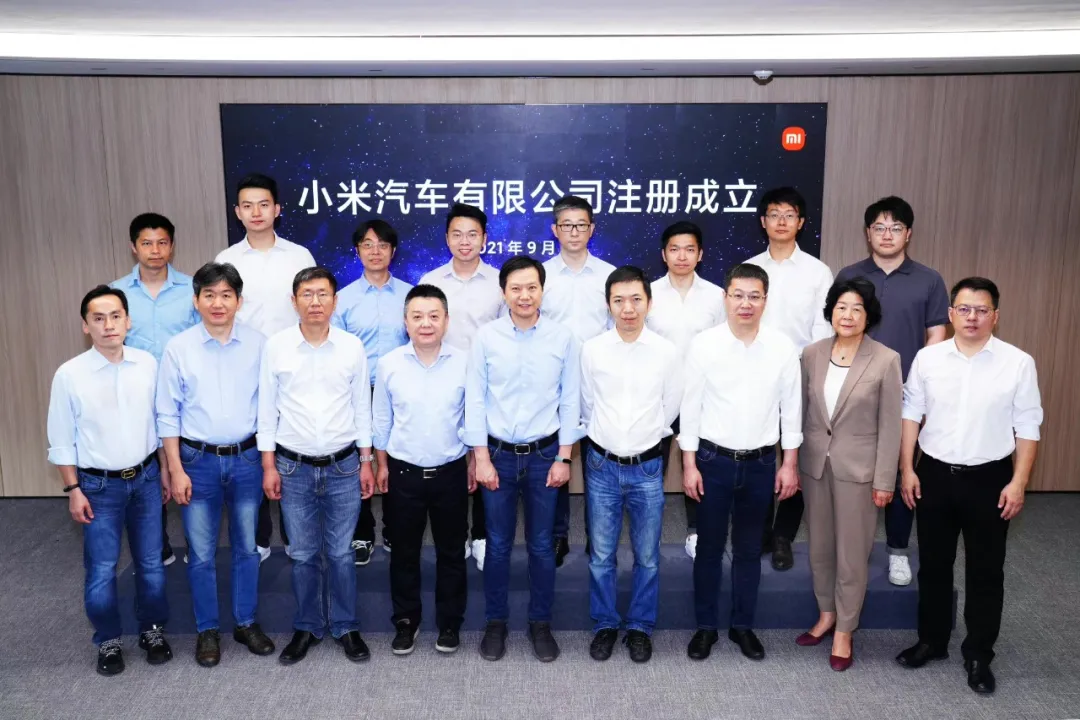
In fact, this is not a special post or a selection of senior management talents. This may be the "hottest" recruitment threshold in 2021, from Xiaomi Automobile, which just registered on September 1. Lei Jun, the founder, chairman and CEO of Xiaomi Group, personally served as the legal representative of the project, which attracted more attention before the official announcement, perhaps more than when any new force built a car. Xiaomi’s courage and achievements in the past have made the audience consciously raise their imagination of Xiaomi’s car-making, and also created an unprecedented grand occasion after Xiaomi Automobile started recruitment.

As a company that is good at linking users and creating scenes, Xiaomi is often speculated that it can inherit its "black technology" label in the automobile industry. Therefore, when the first batch of 500 self-driving positions of Xiaomi Automobile started recruitment, a large number of resumes poured in from inside and outside the industry, and there was also a wave of application for job transfer inside Xiaomi.

However, judging from the progress, Xiaomi did not choose to be aggressive and rejected the traditional road of "putting on airs first and then optimizing". Xiaomi was very cautious this time, and made clear the demand in recruitment very early, adhering to the strict screening of the route of holding high and playing high.

On the one hand, it is widely popular, and on the other hand, the threshold is extremely high. The gameplay of Xiaomi Automobile seems to be different.

Who wants to join Xiaomi Automobile?

Who want to join Xiaomi car?

In addition to a large number of applications for job transfer within the group, Xiaomi’s car-making has attracted a large number of "young people" in the existing automobile industry. When Xiaomi, as a part of their "youth brand", goes to the car-making industry, attractive salary and greater development opportunities are the biggest temptation conditions for these young people.

In the context of workplace community software, it has become a hot topic to provide the interpolation of Xiaomi car.From the discussion, at present, most of the people who are most interested in joining Xiaomi are from traditional automobile brands, mostly R&D backbones located in technical ports, and the other is from suppliers of technical solutions in the field of autonomous driving.The former hopes to have more display space, while the latter hopes to use Xiaomi to contact the whole layout of the car.

It is understood that as a player who entered the market later, Xiaomi Automobile offered a salary that was generally 20%~30% higher than that in the industry. At the same time, it generously provided options for some positions. Xiaomi Automobile’s bright slogan of "the first batch of investment of 10 billion yuan" attracted a large number of young people who wanted to "fight together" and "have momentum".

In addition to the attractive salary, more importantly, many people regard Xiaomi as the "biggest opportunity for the automobile industry" after the emergence of new car brands. An industry expert told Tiger Sniff,Consumer brands like Xiaomi faced a high entry threshold in the past, but with the maturity and trend change of the industrial chain, Xiaomi chose to enter the market now, and may explore different ways of playing, whether in user operation or product definition. There are a lot of opportunities behind this exploration.

"I missed the new forces to build a car, and I can’t miss Xiaomi again." An anonymous Internet company autopilot software technical backbone told Hu Wei, and he also mentioned that compared with young people who are eager for development opportunities, there are also a large number of middle-aged autobots in the industry trying to get in touch with Xiaomi, mostly leading projects or teams in the original enterprises, but hoping to achieve greater breakthroughs in their careers. Participating in the process of Xiaomi’s car-making is regarded as an important workplace springboard from technology research and development post to management post.

Among the recruitment requirements currently announced by Xiaomi Automobile, Xiaomi’s first recruitment is aimed at the demand of L4-level autonomous driving direction. In addition to technical experts in intelligent driving, it is also attracting highly educated talents in related majors at school.

Xiaomi’s entry point for the automotive industry isI hope that I can start with the software and define the scene driving experience to establish my position in the automobile industry. On the whole, it is a strategy aimed at the future.For young people, this is a good opportunity to overtake in personal accumulation. For people with certain experience and status, this is a good opportunity to get in touch with the future car-making trends and needs in advance.

In order to achieve this goal, it can be predicted that Xiaomi not only needs to recruit software and algorithm engineer, but also needs to recruit hardware engineers and even vehicle teams. The strategy of combining soft and hard, Xiaomi’s success in the mobile phone period, will continue in the matter of building a car.

Xiaomi needs a lot of talents to build a car, but why is it so difficult to get into Xiaomi car?

Why is it so difficult to go to Xiaomi car?

Xiaomi is trying to recreate the success of the mobile phone industry in building a car.

Looking back, when Xiaomi started his business, he first created a unique MIUI. In the process of software exploration, he gradually determined the experience style and hardware requirements of his own products, and then further deepened the hardware, created a Xiaomi mobile phone, and realized the unification of soft and hard combination in the iterative process.

Similarly, when we look at Xiaomi’s cutting into the car-making industry node now, it is very important that the general trend of "software-defined cars" has emerged; Another important trend is that under the background of the spread of B5G, digital twinning technology is expected to be the fastest mature in the field of intelligent driving. It is a way to "virtualize" hardware manufacturing. Through B5G, changes in software can directly affect hardware manufacturing, breaking the obstacles of mutual adaptation of software and hardware in the past, and software development can save a lot of costs for hardware trial and error.

Therefore, if you want to be a "millet autobot",It is not only required to be able to research or accumulate in the field of intelligent driving itself at a high level, to be able to block one or more needs, but also to show a "diversified" vision and support Xiaomi’s strict demand for product form exploration in the early days.

More importantly, Xiaomi itself is a company with deep accumulation in software and hardware. It is widely believed that the linkage with MIUI and Mijia will be one of the core competitiveness of Xiaomi Automobile in the future, which requires Xiaomi Automobile to consider diversity and versatility when recruiting talents. This intersection will further raise the threshold for joining Xiaomi.

This constitutes the core reason of "difficulty in entering Xiaomi". As the "latest force" in building cars, Xiaomi Automobile objectively has the pressure of "making up lessons" as a latecomer. Therefore, behind Xiaomi Automobile’s pursuit of "the top group of people" in the industry, there is also a predictable high-intensity entrepreneurial rhythm, which will objectively make many people who are gearing up to enter Xiaomi re-estimate the intensity of this job.

At present, Xiaomi Automobile belongs to the stage of "the grain and grass have moved, and the people are assembled". Backed by Xiaomi Group, Xiaomi did not have any financial troubles in the early stage of building a car. Therefore, Xiaomi’s strict control over the quality of talents is, to a certain extent, caused by the high demand for the team. This early personnel selection will directly define the next development ability and speed of Xiaomi Automobile, so the threshold seems to be high, which is actually the inevitable result of Xiaomi’s unique development model and target demand.

If you want to join, you still have to figure out what kind of people Xiaomi needs to build a car.

The Dream and Reality of Xiaomi Building a Car

The key to the success or failure of Xiaomi automobile is determined by consumers, which is the trump card of Xiaomi and the core competitiveness that Xiaomi urgently needs to build.

Internally, Xiaomi Group may be at its best.On August 25th, according to the Q2 performance report released by Xiaomi in 2021, the company achieved a total revenue of 87.8 billion yuan, exceeding the market expectation of 85 billion yuan, up 64% year-on-year; The net profit was 6.3 billion, a year-on-year increase of 64%; The net operating cash flow reached 8.284 billion yuan, a year-on-year increase of 111%; Smartphone shipments reached 62.9 million units, ranking second in the world.After the initial success of the high-end strategy of mobile phone impact, Xiaomi has built its own unique business moat at both ends of AIOT and smart phones.

This is also Xiaomi’s courage to shout out that the initial investment is 10 billion yuan, and it is estimated that the investment in the next 10 years will be 10 billion US dollars, which constitutes the biggest support for Xiaomi’s car-making business. With the gradual arrival of this investment, more investment will follow, which allows Xiaomi to obtain a certain security space at the capital level.

Xiaomi has already started to invest in building cars very early. Besides Lei Jun, who is well-known in the automobile industry, invested in Xpeng Motors as an angel investor. In June this year, Xiaomi’s Yangtze River Industry Fund also participated in the lead investment. In the direction of ADAS, there is a deep accumulation of Zongmu technology, which is the first enterprise in the automobile field that Xiaomi has invested in since it announced the establishment of the car. Subsequently, Xiaomi continued to invest in domestic laser radar start-up company Hesai Technology and smart car supply chain solution geometric partners, and Xiaomi invested in automobiles.

On August 25th, Xiaomi Group acquired Shendong Technology, an autonomous driving technology company, with a total transaction amount of about 77.37 million US dollars. After the transaction is completed, Shendong Technology will become a wholly-owned subsidiary of Xiaomi, and Shendong Technology is expected to bring a systematic and seamlessly transplanted research framework and solution capability of a complete set of autonomous driving schemes to Xiaomi.

Starting from high-level automatic driving, relying on B5G ability to link hardware manufacturing, and finally realizing a high-level smart car that combines soft and hard and can link Xiaomi’s intelligent ecology is Xiaomi’s strategic thinking and direction of its own car-making business.

Judging from the current actions of Xiaomi, Xiaomi is cautious and strict in tactics and rapid in strategy. The most critical winner lies in whether the C-end can continue and the high stickiness of consumers, as well as the depth of participation in the process of carbon neutralization. Under the general trend of peak carbon dioxide emissions and carbon neutrality, the direction of millet is accurate.

The biggest difference between Xiaomi and other enterprises is that it is highly viscous and interactive with consumers, and it can be combined with smart home scenes in the future. Compared with the brand of new power that also holds high the banner of "users", Xiaomi may open up more breadth and depth of car-making business to consumers.

Xiaomi’s unique business model and development path often faced a problem of "difficult valuation" in the capital market in the past, which made Xiaomi questioned in the past. However, with the stability of Xiaomi’s existing business and the rapid spread of making cars, Xiaomi’s model began to be accepted by more people.

To put it bluntly, the core of "hard in soft, hard in soft" is actually Xiaomi’s unique way of life: software builds a unique experience and selling point, and high-performance hardware is a commercial measure of Pratt & Whitney and the platform. This unique model value, which is rooted in China market, will be translated more as Xiaomi Automobile deeply participates in the process of manufacturing upgrading and carbon neutrality in China.

Qingming holiday | Run a special train for red tourism and flower viewing in spring.

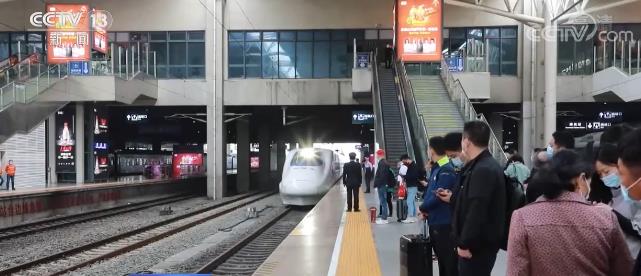
  CCTV News:During the Tomb-Sweeping Day holiday, Beijing, Shanghai, Guangzhou, Nanning and Kunming Bureau Group Corporation started the red tourism theme train, allowing passengers to follow the red footprint on the high-speed rail. Chengdu, Shenyang, Taiyuan, and Jinan Bureau Group Corporation have run several special tours for rural sightseeing. Xinjiang Railway has opened 132 passenger trains, and at the same time, it has opened 18 special trains from Urumqi to Hami, Turpan and Aksu.

  During the Qingming holiday this year, China Railway Lanzhou Bureau Group is expected to send 840,000 passengers, with an average of 210,000 passengers per day. From April 2, it is planned to open more trains from Lanzhou to Xi ‘an, Tianshui and Jiayuguan to ensure the travel needs of holiday passengers. At the same time, Lanzhou Railway Department has also launched the "train tour around the west" spring tour special train products, including 4 tourist special trains, 15 group tours and 2 weekend tours.

  During the Qingming holiday this year, Nanchang Bureau Group of China Railway is expected to send 3.65 million passengers, mainly to visit graves to worship ancestors, go for an outing and visit relatives and go home. In order to meet the travel needs of passengers during the Qingming holiday, the railway department scientifically allocated capacity, added 147.5 pairs of trains, and customized flower viewing routes, root-seeking routes and red tourist routes to facilitate passengers’ travel.

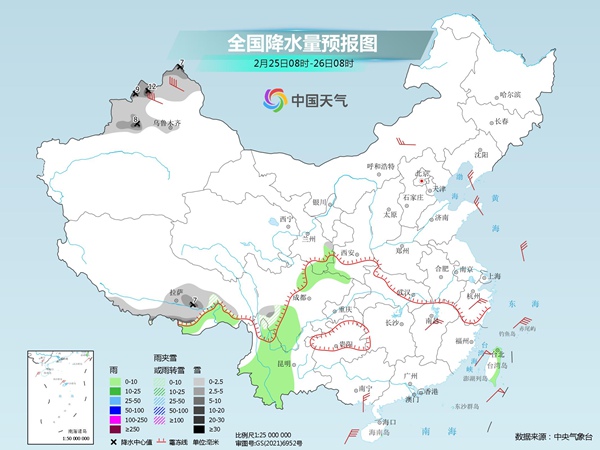
In the next three days, the temperature in the north will fluctuate obviously, and the rain and snow in the south will reduce the sunshine and return.

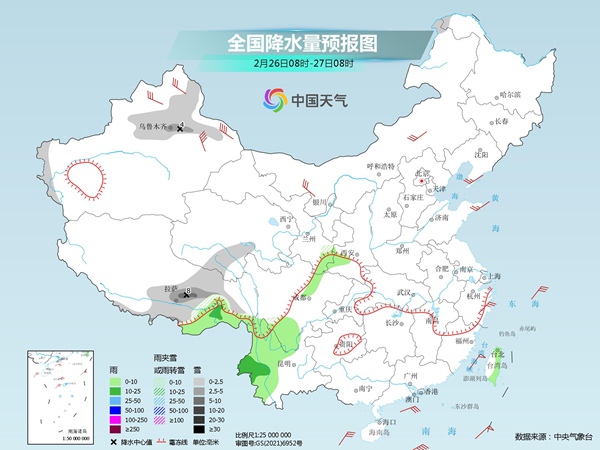
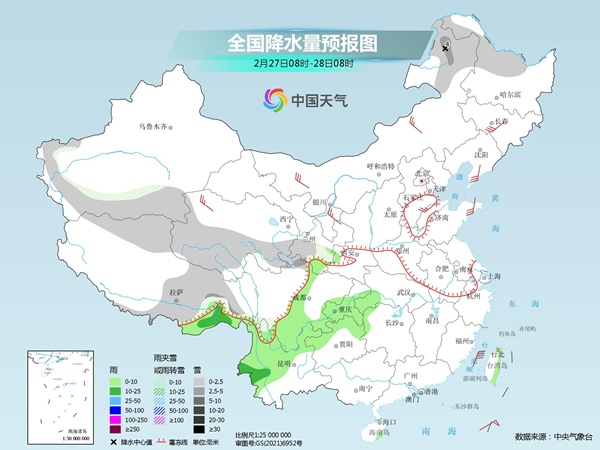
  Cctv newsAccording to China Weather Network, in the next three days (February 25th to 27th), cold air will affect our country more frequently, but it can’t stop the general trend of warming up. The temperature fluctuates like riding a roller coaster, especially in the north, and the temperature fluctuation in some areas exceeds 10℃. In addition, since today, most of the rain and snow in the south have shrunk, and the sunshine in Jiangnan and other places has returned one after another, but there are still many rainy and snowy weather in the western region.

  Cold air frequently disturbs temperature fluctuations and shocks, and the north-south trend is different.

  After entering the "Eighth Nine-Year Plan", the main theme of China’s weather is warming up. However, the "warming road" is not always smooth. When winter and spring alternate, cold air activities are still frequent, and the temperature often fluctuates.

  At present, there is a weak cold air that is affecting North China and Northeast China. There will be a new cold air coming tomorrow. The Central Meteorological Observatory predicts that from February 26th to March 1st, the temperature in Xinjiang, Northwest China, North China and Northeast China will drop by 4 ~ 8℃, and the local temperature drop will reach more than 10℃. Most of the above areas will have northerly winds of 4~6 and gusts of 7~9, and the wind in Shankou, Xinjiang will have 9~11 and gusts of 13. The cold air that will start tomorrow will have a wider impact, starting in Xinjiang on the 26th, in the northwest on the 27th and in the central and eastern regions on the 28th.

  These two cold air streams have a more significant impact on the north. In North China, Northeast China, Huanghuai and other places, in the next few days, the temperature trend will mostly fall first, then rise and then fall. Most of the high temperatures occur from 26th to 28th, and the temperature in many places will hit a new high this year. By then, not only the highest temperatures in North China, Huanghuai and other places can reach 15 C, but also the highest temperatures in southeastern Inner Mongolia, Jilin and Liaoning will exceed 10 C.

  In cities, such as Changchun and Shenyang, the highest temperature will reach 10℃ or above on the 27th, which is the first time this year to stand at the 10℃ mark. In cities with large temperature fluctuations, such as Lanzhou, the highest temperature can reach 16℃ on the 26th, and it will only be 7℃ on the 28th, and the cumulative cooling will be close to 10℃.

  In the south, the influence of cold air is relatively small, and the temperature fluctuation is not as good as that in the north. In the next few days, the temperature will become a general trend. It is expected that by the end of February, the highest temperature in many places in the south of the Yangtze River will approach or reach 20℃, and the warmth will return. At the same time, the temperature difference between day and night will also widen, and the temperature difference in many places will be above 10℃. The public should still do a good job of cold protection and warmth when they leave early and return late.

  From now on, the sunshine in Jiangnan and other places will return to the western region, and rain and snow are still frequent.

  Yesterday, as the cold air gradually moved south, the rain and snow in the middle and lower reaches of the Yangtze River began to shrink. At the same time, there are also snowflakes falling in the Qinghai-Tibet Plateau and other places. Monitoring shows that from 08: 00 yesterday to 06: 00 today, there were small to medium snow or sleet in eastern Tibet, northwestern Sichuan, central and northern Shanxi, and heavy snow in Ganzi, Sichuan; Small to moderate rain occurred in southern Sichuan and southeastern Yunnan.

  From today, the sunshine in Jiangnan and other places will return one after another; From 26th to 27th, there will be a wide range of sunny days in central and eastern China. However, in the western region, rain and snow still appear from time to time.

  Today, there are small to medium snow or sleet in parts of northern Xinjiang, southern Sichuan Plateau, southeastern Gansu and southern Tibet. Among them, Tacheng, Altay and Ili Valley in northern Xinjiang have heavy snowstorms; There is light rain in parts of southeastern Tibet, southern Gansu, northeastern and southern Sichuan, and central and western Yunnan.

  Tomorrow, there will be small to medium snow or sleet in parts of mountainous areas in northern Xinjiang and western southern Xinjiang, southeastern Gansu, eastern and southern Tibet, and southern Qinghai, among which there will be heavy snow in eastern Tibet and other places; There are small to moderate rains in parts of central and western Yunnan, northwestern Sichuan Basin and southeastern Tibet.

  The day after tomorrow, there will be small to medium snow or sleet in parts of northeastern Inner Mongolia, northwestern Heilongjiang, southern and western mountainous areas of southern Xinjiang, eastern and northern Tibet, central and southern Qinghai, southern Gansu and western Sichuan Plateau, among which there will be heavy snow in parts of southeastern Tibet. Western and southern Sichuan Basin, western and northern Yunnan; There are small to moderate rains in parts of northern Guizhou and western Hubei.

  The meteorological department reminded that in the next three days, there will be intermittent rain and snow in eastern Tibet, Sichuan, Yunnan, Chongqing, Guizhou and other places, occasionally sunny or cloudy, and the sunshine will not stay long. The public should pay close attention to the approaching forecast and prepare rain gear when going out; In case of slippery and icy roads, you should drive slowly and pay attention to traffic safety.

Knowledge of real estate finance goes into the "Looking at Houses on the Cloud" Expo

(event site. Photo courtesy of correspondent)
Hunan Daily, January 26th (correspondent Xie Zhenzhen, all-media reporter Huang Lifei) In order to help consumers better understand the knowledge of real estate finance, Changsha Branch of Shanghai Pudong Development Bank recently launched a publicity campaign on the knowledge of real estate finance at the "Looking at Houses on the Cloud" Expo in Xiangjiang New District, Hunan Province.
At the event site, Changsha Branch of Shanghai Pudong Development Bank set up a financial knowledge publicity booth and distributed well-designed brochures covering all aspects of real estate finance. The staff focused on popularizing the knowledge of financial services for new citizens, and answered their questions related to real estate finance, such as entrepreneurial knowledge, loan policy, deposit insurance, etc. through interactive Q&A, helping them to establish a rational investment concept and enhance their awareness of preventing telecommunication network fraud.
This financial knowledge popularization activity has enabled citizens to have a more systematic understanding of the basic knowledge of real estate finance, as well as a more comprehensive and in-depth understanding of bank loan policies and deposit insurance. Changsha Branch of Shanghai Pudong Development Bank will continue to organize activities to popularize financial knowledge, help improve the financial literacy of the public and fully protect the legitimate rights and interests of financial consumers.
Reporting/feedback